
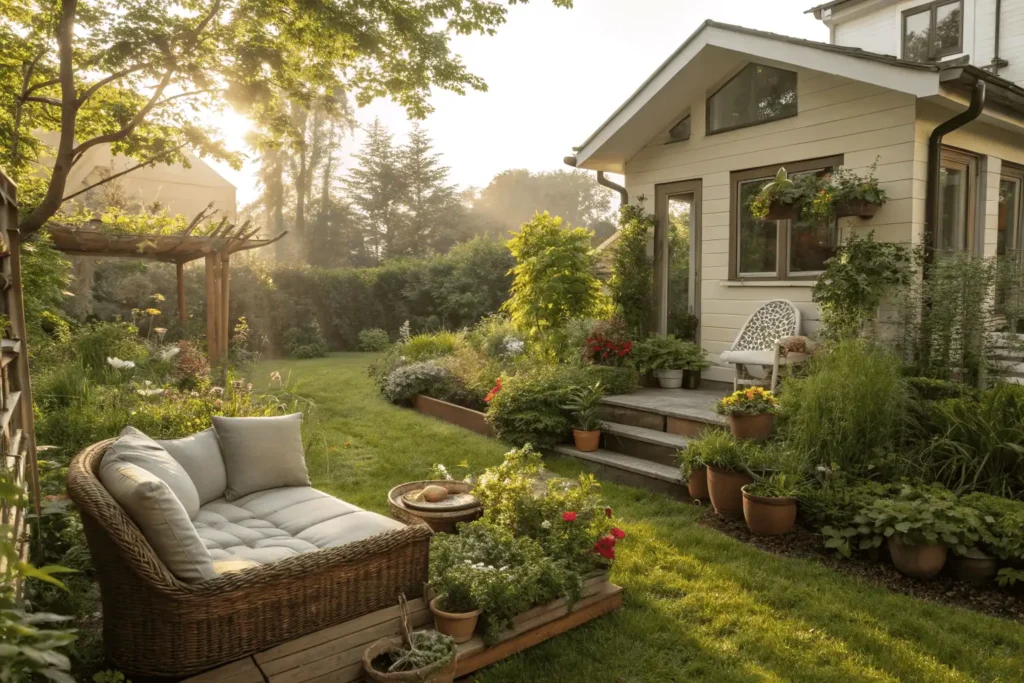
You don’t need a big backyard, expensive tools, or expert knowledge to start a garden. What you really need is a clear purpose, a few practical plans, and the willingness to experiment. This guide offers realistic, beginner-friendly home garden ideas that work in apartments, small houses, and family homes, creating spaces that look beautiful, smell fresh, and quietly lift your mood.
Understand Your Space
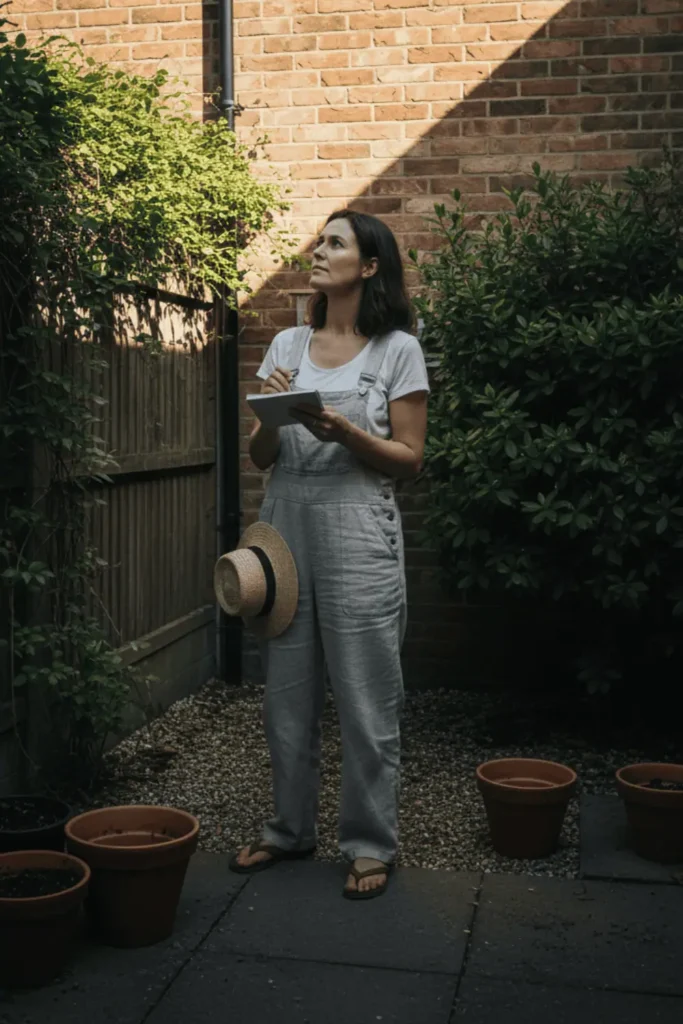
Every successful garden starts with observation. Before buying a single plant, stand in your space at different times of the day and notice:
- Where does the sun fall in the morning, midday, and late afternoon?
- Which corners stay shady almost all day?
- Where is it windy or exposed?
- Does rain collect anywhere or drain away too fast?
- Are there areas that kids or pets run through regularly?
These details guide almost every decision you make. Most sun loving herbs and vegetables need at least 5 to 6 hours of direct light, so your sunniest spot is precious. Ferns, hostas, and many indoor plants prefer shade and belong in corners with gentle, indirect light.
Consider your space type:
- Apartments: Balcony planters, windowsill herb gardens, indoor plant corners
- Small yards: Raised beds along fences, seating corners, mix of pots and in ground plants
- Front porches: Rail planters, tall pots beside the door, and hanging baskets
- Shared spaces: A few movable containers that you can shift if needed
The more clearly you understand your space, the less money and time you’ll waste on plants that never had a real chance. A few quiet minutes of observation now can save you from a lot of trial and error later.
Decide The Main Purpose Of Your Garden

A garden can do many things at once, but one or two goals should lead the way. Common purposes include:
- Grow fresh herbs and vegetables for the kitchen
- Create a relaxing place to sit and read
- Improve curb appeal at the front of the house
- Attract birds, butterflies, and pollinators
- Build a low maintenance green backdrop
- Give kids a small, safe place to explore nature
Keep it somewhere visible. Whenever you feel stuck choosing between different ideas or plants, read that sentence and see which option fits better.
Many people skip this step and end up with a mix of random plants that never really feel like a garden. A clear purpose turns those plants into a story that makes sense.
Container Gardening Ideas For Any Home

Container gardening is one of the easiest ways to bring home garden ideas to life. It is perfect for renters and people with balconies, patios, or small yards. You can start with just three or four pots and slowly build from there.
Mix Heights And Layers
Instead of placing pots in one flat row, create plant families in layers:
- Back: One tall pot with a small tree, shrub, or ornamental grass
- Middle: Two or three medium pots with herbs, flowers, or leafy greens
- Front: Low, wide containers with trailing plants that spill over edges
This layered look works well on balconies, along paths, and near front doors. It adds depth and makes even a small area feel more like a real garden rather than a line of lonely pots.
You can also play with color and texture. Pair shiny green leaves with fuzzy or silver ones, and mix round leaves with tall grasses. Even if you only use foliage plants, this mix keeps the display interesting.
Go Vertical To Save Space
When floor space is limited, look upward. Vertical gardening makes use of walls, railings, and fences and is one of the smartest small garden ideas.
You can:
- Hang pots on sturdy hooks or brackets along a wall
- Place pots on step style plant stands or wooden ladders
- Use railing planters on balconies to free up floor space
- Attach a wooden pallet to the wall and fix small pots to it
- Install a narrow vertical planter with pockets for herbs and small flowers
Vertical gardens are especially useful for herbs, strawberries, leafy greens, and trailing flowers. They also create a beautiful green backdrop for seating areas and help soften hard walls.
Choose The Right Potting Mix
Good soil makes all the difference in container gardening. Use a high quality potting mix rather than garden soil, which can be heavy and compact in pots. For herbs and vegetables, a mix that drains well but still holds moisture is ideal.
Top up containers with fresh compost every season and check that drainage holes are clear. If water sits on the surface for a long time, loosen the soil gently with your fingers or a hand fork.
Edible Home Garden Ideas For Fresh Food

Growing even a small amount of food at home can be very satisfying. Home grown food usually tastes better, and you know exactly how it was grown. Start with simple, reliable plants that suit your climate and light conditions.
Start With Herbs And Greens
Herbs are the easiest entry point for edible home gardening. They grow well in pots, look attractive, and add instant flavor to daily cooking.
Good starter plants:
- Herbs: Basil, mint (in pots only), coriander, parsley, chives, thyme, rosemary
- Salad greens: Lettuce, rocket, spinach, radishes, spring onions, baby kale
Place herb pots near the kitchen door or on a sunny windowsill so you actually use them. For salad greens, sow small amounts every two weeks during the growing season to keep harvests steady rather than getting everything ready at once.
A simple rectangular planter with mixed salad leaves can become your daily source of fresh, crunchy greens. Snip leaves as you need them instead of pulling out the whole plant and it will keep producing for longer.
Compact Vegetables And Fruits
Many modern varieties are bred for small spaces and suit balcony gardens perfectly.
Try:
- Cherry tomatoes in large pots with cages or stakes
- Dwarf citrus trees in big containers on a patio
- Peppers in medium sized pots in warm, sunny spots
- Climbing beans on balcony railings or simple bamboo teepees
- Strawberries in hanging baskets or stacked pots
- A few potato grow bags in a sunny corner
Give these plants your sunniest spots and feed them regularly with compost or organic fertilizer. A simple liquid feed once every couple of weeks during the growing season will keep them productive.
If you have children, let them choose one vegetable each. Kids are often more willing to taste food they helped to plant, water, and pick.
Flower And Foliage Ideas For Color And Texture

A garden that feeds your eyes and mind is just as valuable as one that feeds your stomach. Flowering plants and interesting foliage add color, texture, and movement to your home garden ideas.
Blend Long Bloomers With Seasonal Highlights
Combine:
- Long blooming annuals: Marigolds, petunias, geraniums, impatiens, zinnias
- Seasonal stars: Tulips, daffodils, and other climate suitable bulbs
This mix keeps color in your home garden over many months. Long bloomers carry the display through most of the season, while the seasonal stars give short, exciting bursts that feel special.
You can repeat the same plant in several spots to create rhythm. For example, three pots of the same bright zinnias, spaced along a path, tie the whole space together visually.

Use Layers For A Full Look
Think in layers instead of single rows:
- Back: Tall shrubs, grasses, or climbers on trellises
- Middle: Medium height flowers, decorative herbs, or leafy plants
- Front: Low growing plants or groundcovers that soften edges
For example, plant roses or hibiscus at the back, salvias and marigolds in the middle, and small spreading plants like alyssum at the front. This structure instantly upgrades the look of any border or bed and is one of the simplest home garden design ideas to copy.
Add Scent And Movement
Color is important, but scent and movement bring a garden to life. Place scented plants where you pass often, such as beside paths or close to doorways. Add grasses or plants with airy seed heads that sway gently in the breeze.
A mix of lavender, jasmine, and a few ornamental grasses can turn a plain corner into a place you naturally slow down and breathe more deeply.
Create Simple Garden Zones

Even in a small space, dividing your garden into little zones makes it feel larger and more intentional.
Some easy zones to create:
- A small relaxation corner with a chair and side table
- A practical herb and vegetable area close to the kitchen
- A shady reading nook with ferns and leafy plants
- A wildlife corner with native plants and a shallow bird bath
You do not need walls or fences to separate these areas. Use pots, low planters, different groundcovers, or even a change in color to mark each zone. For example, a gravel patch with two chairs and a pot of rosemary can become your evening tea spot, even if it is only a few steps from the rest of the garden.
Low-Maintenance Home Garden Ideas
If you have a busy schedule, plan for a garden that mostly takes care of itself once established. It is better to have a simple garden you can maintain than a complicated one that leaves you feeling guilty.
Choose Tough, Reliable Plants
Look for plants described as drought tolerant, low maintenance, or suitable for beginners in your climate. Native plants are often a great choice because they are adapted to local conditions and usually need less care.
Aim for:
- Shrubs that provide year round structure
- Perennials that come back every year
- Groundcovers that spread and reduce weeding
Avoid filling the whole garden with high maintenance plants that demand constant pruning, staking, or special feeding routines.

Cover The Soil
Bare soil dries out quickly and invites weeds. Covering it is one of the simplest low-maintenance tricks.
Use:
- Organic mulch such as bark chips or shredded leaves
- Gravel in seating and path areas
- Living groundcovers where suitable
Mulch helps the soil stay cool in summer and protects it from heavy rain in winter. It also gives beds a finished, tidy look even when plants are still growing.
Make Watering Easier
Design your garden so watering becomes simple:
- Group thirsty plants together near the tap or water source
- Use bigger pots that dry out more slowly than tiny ones
- Avoid placing delicate plants in the hottest, windiest spots
- Consider soaker hoses connected to a timer if possible
If you only have a balcony, keep watering cans close to the door and choose self watering containers for the thirstiest plants. The easier it is to water, the more likely you are to keep up with it.
Indoor Home Garden Ideas

No yard does not mean no garden. Indoor plants can completely change the feeling of a room and are a big part of modern home garden ideas.
Match Plants To Your Light
Each window has a different personality. Watch how light moves through your home:
- Bright windows: Sun loving herbs and succulents on south or west facing windows
- Gentle light: Ferns, philodendrons, and other low light plants
- Corners and high spots: Hanging plants like pothos or string of hearts
Do not force plants into places where they clearly struggle. When you respect their light needs, they reward you with healthy growth and richer color.
Create A Small Indoor Jungle Corner
Choose one corner of your living room or bedroom and build a small indoor jungle.
Layer:
- One or two tall floor plants
- Medium plants on stools or small tables
- Trailing plants on shelves or in hanging baskets
Add a soft rug, a chair, or a floor cushion. Suddenly, that corner becomes your calm place for reading, journaling, or simply sitting for a few minutes with the lights low and your phone far away.

Use Plants As Decor
Houseplants can replace a lot of artificial decor items. A simple shelf with a trailing plant, a small framed picture, and a candle looks warm and personal. A row of herbs on the kitchen windowsill looks fresher than plastic fruit and actually gives you something tasty to use.
When you think of plants as part of your interior design, home garden ideas start to blend naturally with indoor life.