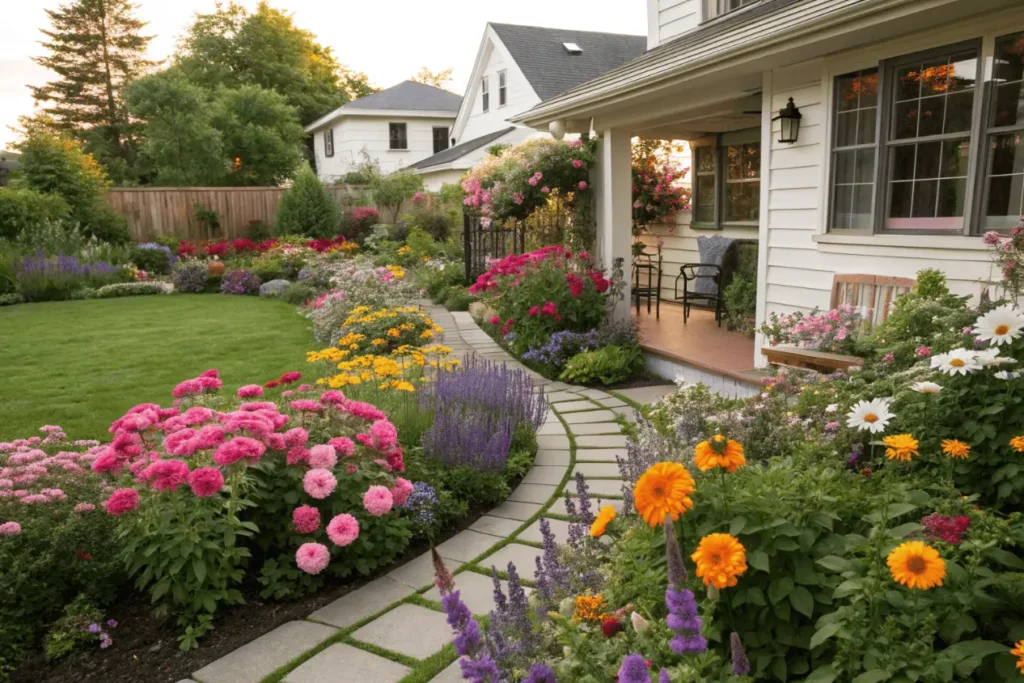
A home flower garden brings natural beauty and vibrant colors right to your doorstep. Whether you have a sprawling backyard or a small balcony, creating your own floral paradise is easier than you think.
Growing flowers at home offers therapeutic benefits and enhances your property’s curb appeal. Fresh blooms can brighten any outdoor space while attracting beneficial pollinators like butterflies and bees.
Starting your home flower garden doesn’t require a green thumb—just enthusiasm and the right guidance. With proper planning and plant selection, you’ll enjoy stunning blooms throughout the seasons.
List of 13 Best Home Flower Garden Ideas
1. Cottage Garden Style with Mixed Perennials

The cottage garden approach creates a romantic, informal look that’s perfect for any home flower garden. This style combines various perennials like roses, lavender, and delphiniums in seemingly random patterns that actually require thoughtful planning.
Traditional cottage gardens feature dense plantings that minimize weeding while maximizing visual impact. The overlapping blooms create layers of color and texture that evolve throughout growing seasons.
This timeless design works beautifully in both large yards and compact spaces, adapting to your available area.
Pro Tip: Plant taller flowers like hollyhocks at the back and shorter varieties like pansies in front to create natural depth and ensure every bloom gets its moment to shine.
2. Raised Bed Flower Gardens for Easy Maintenance
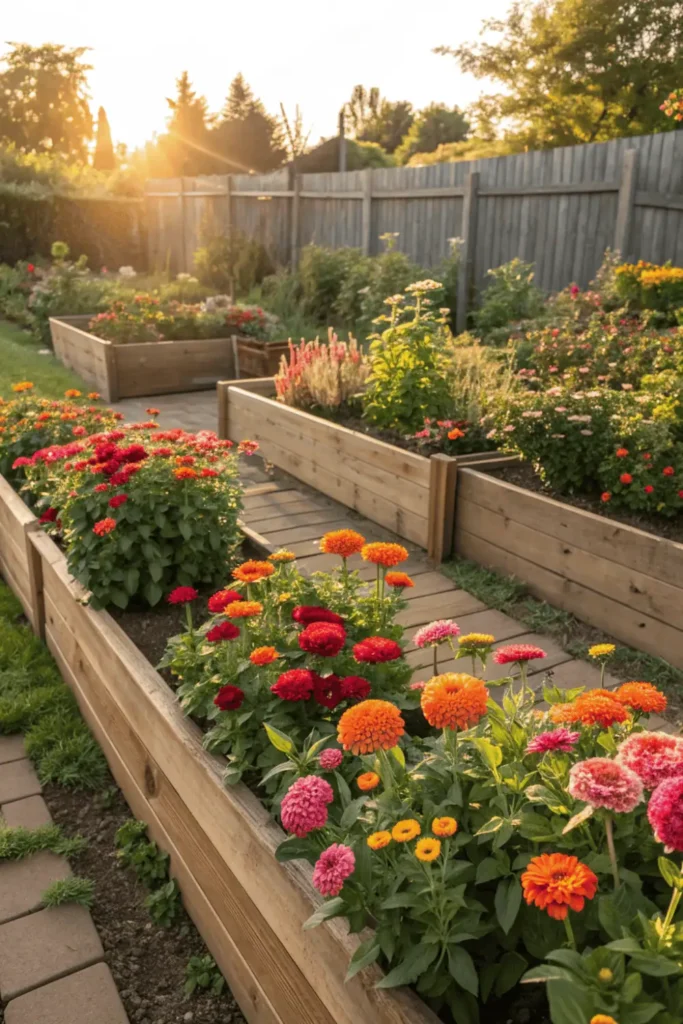
Raised beds transform your home flower garden into an organized, accessible masterpiece. These elevated structures provide better drainage, warmer soil temperatures, and reduced strain on your back and knees.
You can fill raised beds with premium soil mix tailored specifically for flowering plants. This controlled environment means healthier roots, more blooms, and easier pest management.
Pro Tip: Build your raised beds at least 18-24 inches tall for optimal root development and paint them in colors that complement your home’s exterior for added visual appeal.
3. Container Flower Gardens for Small Spaces

Container gardening brings home flower garden beauty to patios, balconies, and doorsteps. This versatile approach lets you grow stunning flowers anywhere with adequate sunlight, regardless of ground space availability.
Moveable planters allow you to rearrange your garden design seasonally. You can rotate containers to follow the sun or bring tender plants indoors during harsh weather.
Mix different container sizes and heights to create visual interest and dimension in compact areas.
Pro Tip: Choose containers with drainage holes and use a lightweight potting mix specifically formulated for containers—regular garden soil compacts and suffocates roots in pots.
4. Butterfly Garden with Native Flowers

Designing a butterfly garden adds ecological value to your home flower garden while creating a living sanctuary. Native flowers like coneflowers, milkweed, and black-eyed Susans attract beautiful butterflies while supporting local ecosystems.
These low-maintenance plants are naturally adapted to your climate, requiring less water and care than exotic varieties. You’ll enjoy watching butterflies, bees, and hummingbirds visit your garden throughout the day.
Pro Tip: Plant flowers in clusters rather than single specimens—butterflies are more attracted to grouped plantings, and the concentrated nectar sources make feeding more efficient for pollinators.
5. Vertical Flower Gardens for Maximum Impact

Vertical gardens maximize your home flower garden potential when horizontal space is limited. Wall-mounted planters, trellises with climbing roses, and living walls create stunning focal points while saving precious ground space.
This approach is ideal for urban environments where every square foot matters. Climbing flowers like clematis, morning glories, and sweet peas add height and drama to otherwise plain walls or fences.
Pro Tip: Install a drip irrigation system for vertical gardens since water tends to run off quickly—this ensures all plants receive adequate moisture without daily hand-watering.
6. Cutting Garden for Fresh Bouquets
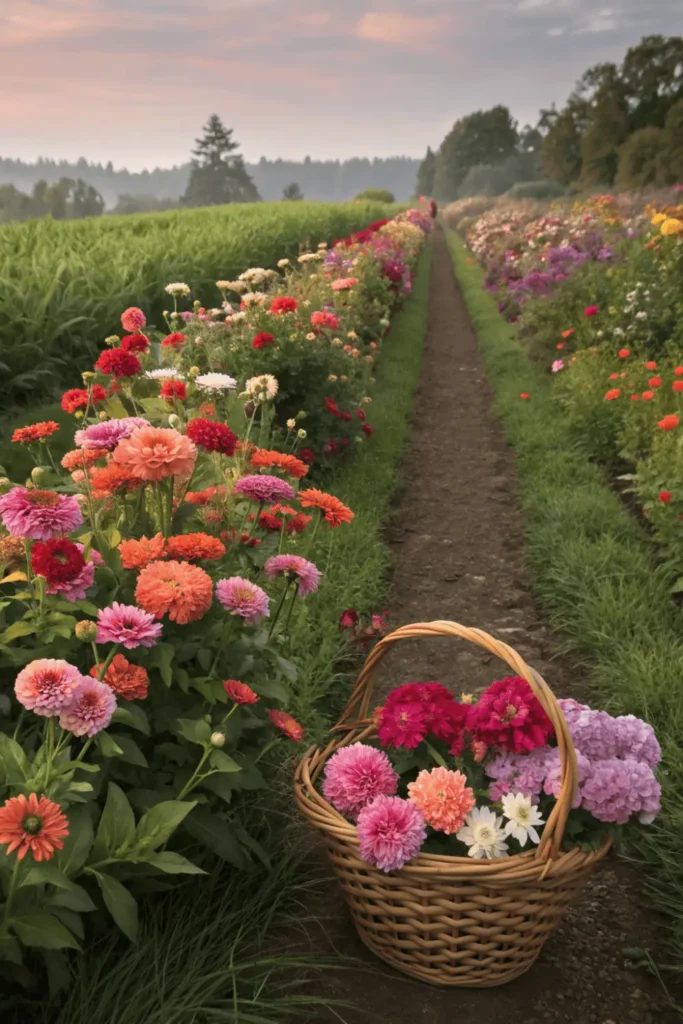
A dedicated cutting garden turns your home flower garden into a personal florist shop. Plant varieties like zinnias, sunflowers, dahlias, and cosmos specifically for harvesting without impacting your display garden’s appearance.
Arrange your cutting garden in straight rows for easy access and maintenance. This utilitarian layout differs from ornamental gardens but produces abundant stems for indoor arrangements.
Regular cutting actually encourages more blooms, creating a self-sustaining cycle of flowers.
Pro Tip: Harvest flowers early morning when stems are fully hydrated, cut at an angle, and immediately place in water—this extends vase life by up to a week compared to midday cutting.
7. Shade Garden with Flowering Plants
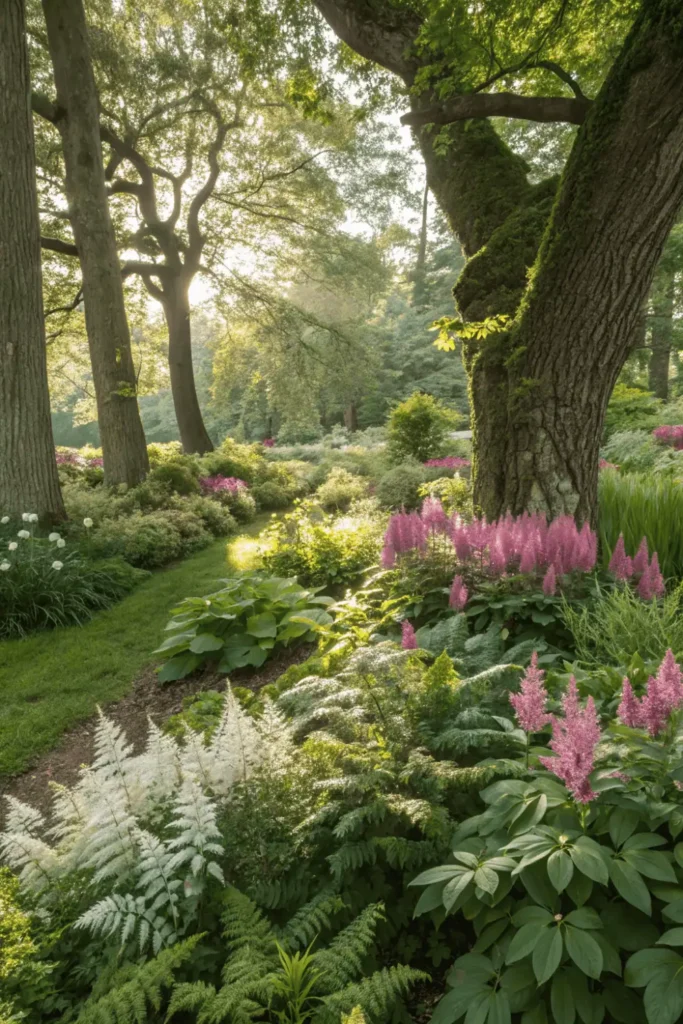
Shade-loving flowers prove your home flower garden can thrive without full sun exposure. Hostas, astilbes, bleeding hearts, and impatiens create colorful displays in areas where sun-worshipping plants would fail.
These resilient plants often feature interesting foliage that provides beauty beyond just blooms. Shade gardens typically require less watering since reduced sun exposure means slower evaporation rates.
Pro Tip: Layer shade plants by height and bloom time—spring bulbs under summer-blooming hostas under fall-flowering toad lilies creates year-round interest in shaded areas.
8. Mediterranean-Style Herb and Flower Garden

A Mediterranean garden combines drought-tolerant flowers with fragrant herbs in your home flower garden. Lavender, rosemary, santolina, and ornamental sages create a sensory experience while requiring minimal water once established.
This style features gravel mulch and terracotta containers that complement the silver-green foliage common to Mediterranean plants. The low-maintenance nature makes it perfect for busy homeowners.
Pro Tip: Plant Mediterranean gardens in full sun with excellent drainage—amend heavy clay soil with sand and gravel to recreate the rocky, fast-draining conditions these plants prefer in their native habitats.
9. Moon Garden with White and Night-Blooming Flowers
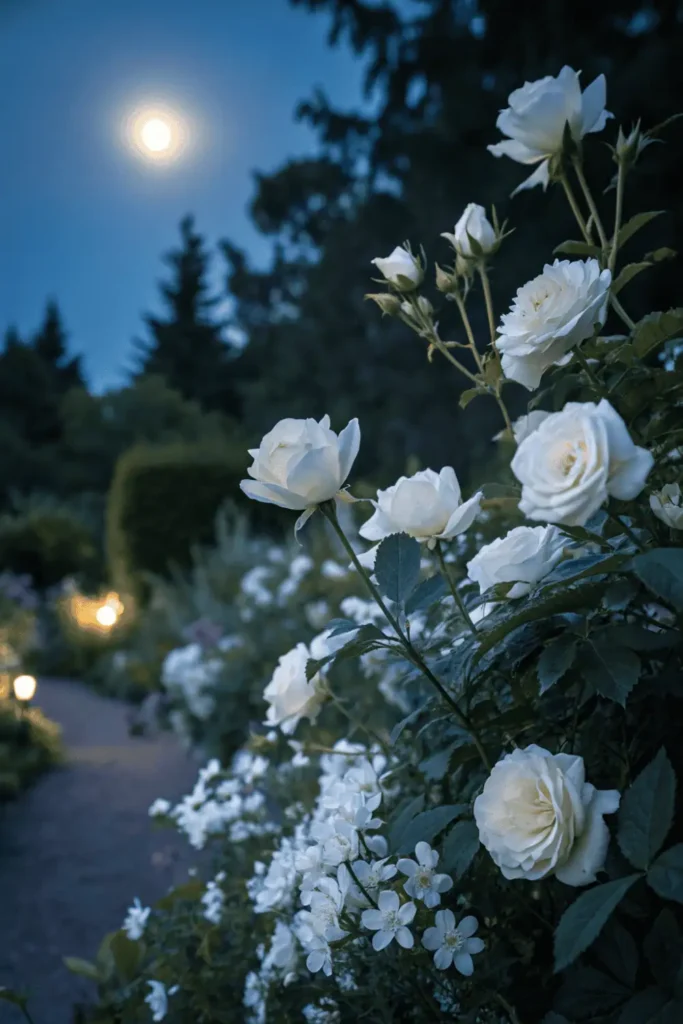
A moon garden creates magical evening experiences in your home flower garden. White and pale-colored flowers like moonflowers, white roses, night-blooming jasmine, and white petunias glow luminously under moonlight and outdoor lighting.
Many night-blooming plants release intoxicating fragrances after sunset to attract nocturnal pollinators. This unique garden concept is perfect for people who enjoy their outdoor spaces during evening hours.
Pro Tip: Position your moon garden near patios, decks, or bedroom windows where you’ll experience the evening fragrance—add landscape lighting to enhance the ethereal white blooms after dark.
10. Rock Garden with Alpine Flowers

Rock gardens showcase hardy alpine flowers that transform challenging terrain into a stunning home flower garden. Creeping phlox, sedum, dianthus, and alpine asters thrive among stones where traditional gardens struggle.
This low-maintenance style provides excellent drainage for plants that hate “wet feet.” Rock gardens work beautifully on slopes, preventing erosion while creating visual interest with varying levels and textures.
These gardens require minimal watering once established and naturally suppress weeds.
Pro Tip: Use rocks native to your area for an authentic look and better value—arrange larger boulders first as anchors, then fill gaps with smaller stones and tuck plants into crevices.
11. Seasonal Rotation Garden for Year-Round Color
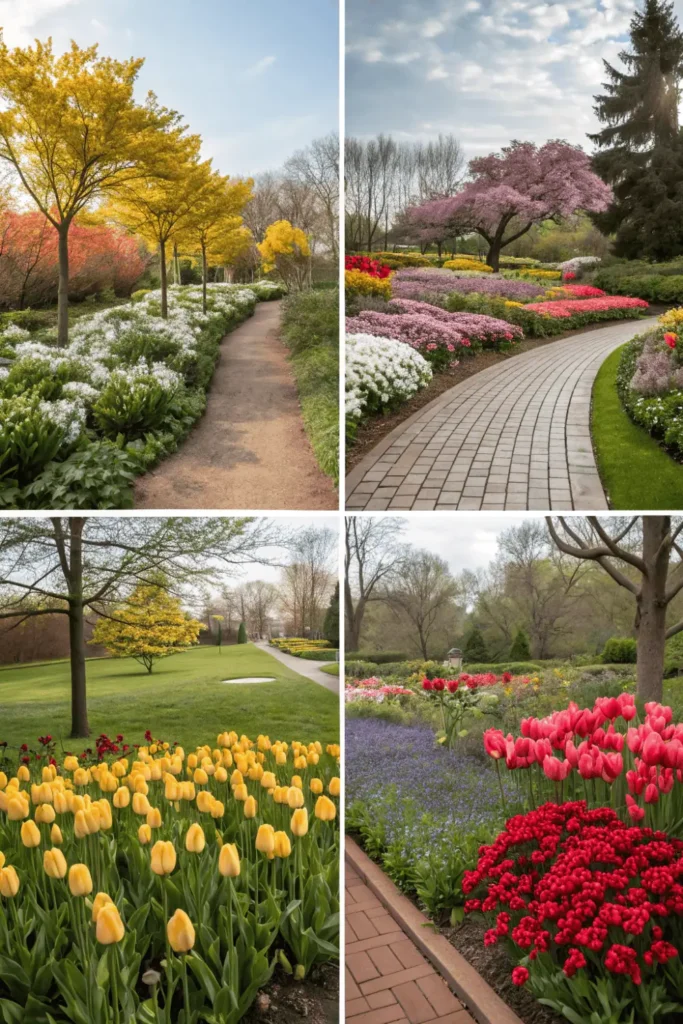
A rotation garden keeps your home flower garden blooming through all seasons. Plan for spring bulbs, summer annuals, fall chrysanthemums, and winter pansies to ensure continuous color throughout the year.
This strategic approach requires advance planning but delivers incredible results. Map out your garden by bloom time, ensuring something beautiful always takes center stage.
Pro Tip: Plant spring bulbs in fall and have cool-season transplants ready when summer annuals fade—this seamless transition prevents bare spots and maintains curb appeal year-round.
12. Edible Flower Garden for Beauty and Function
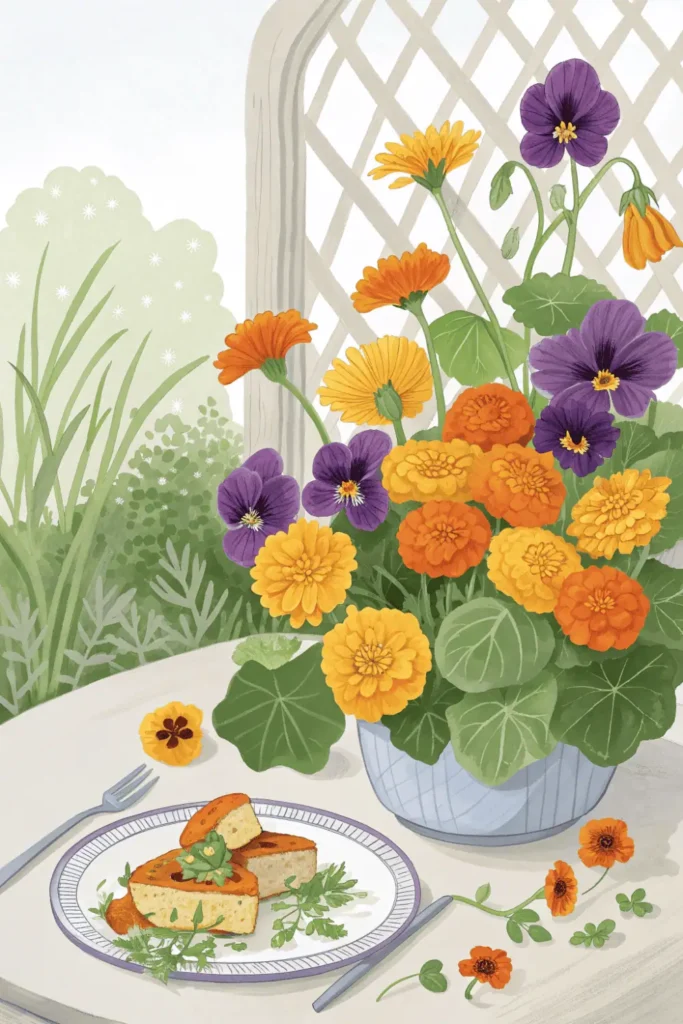
Edible flowers combine aesthetics with functionality in your home flower garden. Nasturtiums, calendula, pansies, and borage produce gorgeous blooms you can add to salads, desserts, and beverages.
This dual-purpose garden provides culinary creativity while beautifying your landscape. Many edible flowers also attract beneficial insects that improve your entire garden’s health.
Pro Tip: Grow edible flowers organically without chemical pesticides or synthetic fertilizers—harvest flowers in the morning after dew dries but before heat builds, rinsing gently before use.
13. Wildlife Habitat Garden with Native Flowers

A wildlife garden transforms your home flower garden into an ecological haven. Native flowers, berry-producing shrubs, and varied plant heights provide food, shelter, and nesting sites for birds, butterflies, and beneficial insects.
This environmentally conscious approach requires less maintenance since native plants thrive without constant intervention. You’ll enjoy watching wildlife activity while supporting biodiversity in your neighborhood.
Avoid pesticides to keep your wildlife garden truly safe for visiting creatures.
Pro Tip: Add a shallow water source like a birdbath or small fountain—wildlife needs water as much as food and shelter, and a water feature becomes a focal point for animal activity.
Why Home Flower Gardens Are Worth the Investment
A home flower garden increases your property value while providing immediate enjoyment. Studies show that well-maintained landscaping can boost home values by 15-20%, with flowering gardens creating particularly strong curb appeal that attracts potential buyers.
Beyond financial returns, home flower gardens deliver measurable mental health benefits. Regular gardening reduces stress, improves mood, and provides gentle physical activity that promotes overall wellness without feeling like exercise.
The environmental impact of your home flower garden extends beyond your property boundaries. Pollinator-friendly flowers support declining bee and butterfly populations while improving air quality and reducing urban heat island effects in your neighborhood.
Things to Consider Before Choosing Home Flower Garden Styles
Your climate zone and sunlight exposure determine which flowers will thrive in your home flower garden. Check your USDA hardiness zone and observe sun patterns throughout the day before purchasing plants—this prevents costly mistakes and disappointment.
Maintenance requirements vary dramatically between home flower garden styles. Consider your available time honestly—a cutting garden demands regular attention while a native wildflower meadow thrives with minimal intervention after establishment.
Budget and timeline affect your home flower garden success. Starting with perennials costs more initially but provides long-term value, while annuals offer instant gratification at lower upfront costs but require yearly replanting and ongoing expenses.
Frequently Asked Questions About Home Flower Gardens
How do I start a home flower garden as a beginner?
Begin your home flower garden by assessing your sunlight exposure and choosing a small, manageable area. Start with easy-care annuals like zinnias, marigolds, or petunias that tolerate beginner mistakes and provide quick results.
Prepare your soil by removing weeds and adding compost for nutrients. Follow seed packet or plant tag instructions carefully regarding spacing and depth—crowding plants leads to disease and poor blooming in your home flower garden.
Water consistently during establishment, typically daily for the first two weeks. Once your home flower garden establishes, adjust watering based on rainfall and plant needs, usually 1-2 inches weekly.
What flowers bloom all summer in a home flower garden?
Long-blooming varieties keep your home flower garden colorful from late spring through early fall. Zinnias, petunias, marigolds, geraniums, and calibrachoa produce continuous flowers with regular deadheading and adequate fertilization.
Perennials like coneflowers, black-eyed Susans, and coreopsis bloom for months in your home flower garden with minimal care. These hardy plants return year after year, making them excellent investments for summer-long color.
Deadheading—removing spent blooms—encourages most flowers to produce more buds. This simple maintenance task keeps your home flower garden blooming prolifically rather than setting seed and slowing production.
How much does it cost to create a home flower garden?
A basic home flower garden costs $100-$300 for a 50-square-foot area including soil amendments, mulch, and annual flowers. This budget-friendly approach delivers immediate results and allows you to learn gardening basics without major investment.
Mid-range home flower gardens with raised beds, perennials, and quality tools cost $500-$1,500 for similar-sized spaces. These gardens provide better long-term value since perennials return annually and infrastructure lasts many years.
Elaborate home flower garden designs with professional installation, extensive hardscaping, and mature plants range from $2,000-$10,000+ depending on size and complexity. Consider starting smaller and expanding your garden as budget and confidence grow.
When is the best time to plant a home flower garden?
Spring after the last frost is ideal for planting most home flower garden annuals and warm-season perennials. Soil temperatures reach 60°F+, allowing roots to establish quickly without cold stress threatening tender plants.
Fall planting works beautifully for your home flower garden perennials, giving roots months to establish before next summer’s heat. Spring-blooming bulbs like tulips and daffodils must be planted in fall for gorgeous early-season displays.
Check your local frost dates before planting your home flower garden—your county extension office provides this information free. Hardy perennials can be planted anytime during the growing season but establish best with moderate temperatures and consistent moisture.