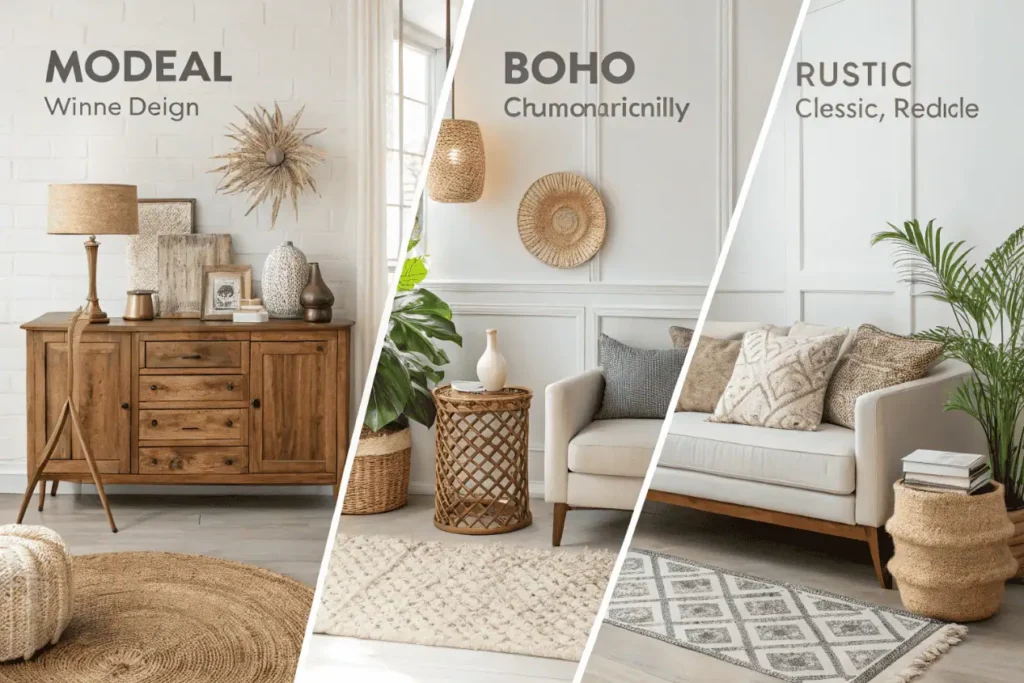
Understanding different home decor styles helps create cohesive, intentional spaces that reflect personal aesthetics while providing functional comfort. Each design approach offers distinct characteristics, color palettes, and material preferences.
Modern interior design encompasses numerous established styles, from minimalist contemporary to ornate traditional. Identifying your preferred aesthetic direction streamlines decorating decisions and prevents costly mismatched purchases.
Whether starting fresh in a new home or refining existing spaces, recognizing home decor styles creates clarity and confidence in design choices. Let’s explore the most popular approaches to help you find your perfect aesthetic.
List of 15 Best Home Decor Styles
1. Modern Contemporary Style
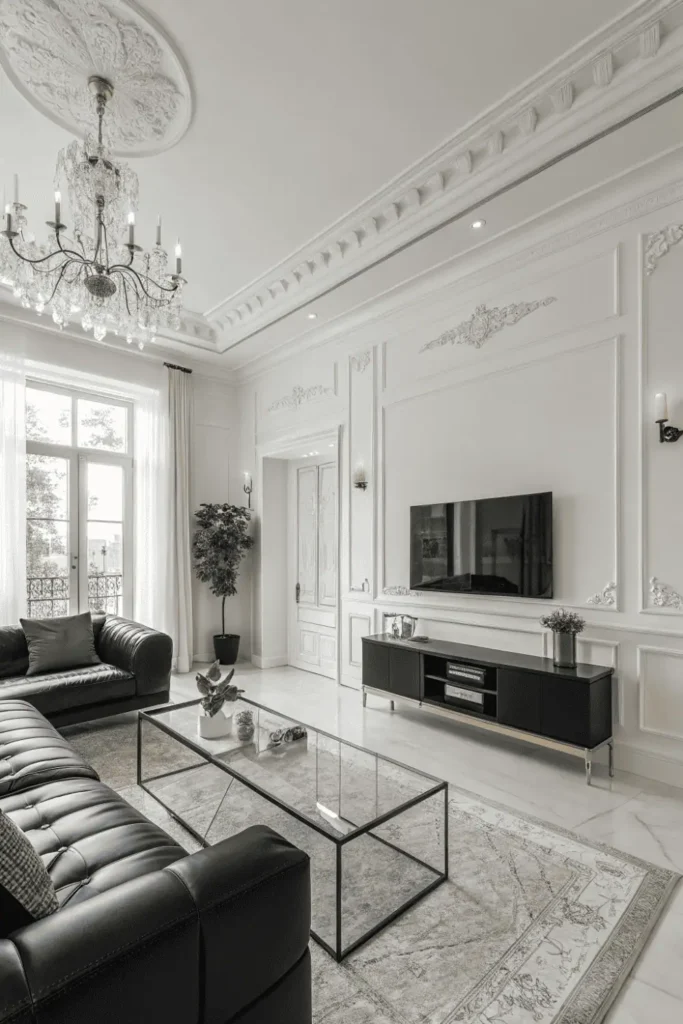
Clean lines, neutral palettes, and minimal ornamentation define modern contemporary home decor styles. The sleek aesthetic emphasizes function over decoration with uncluttered, streamlined spaces.
Monochromatic color schemes in blacks, whites, and grays create sophisticated foundations. Glass, metal, and polished surfaces reflect light while maintaining the style’s signature simplicity.
Low-profile furniture, geometric shapes, and open floor plans characterize contemporary interiors. The approach suits those appreciating simplicity and architectural clarity.
Pro Tip: Balance modern contemporary’s stark minimalism by introducing one or two organic elements like plants or natural wood to prevent your home decor styles from feeling cold or sterile.
2. Farmhouse Rustic Style
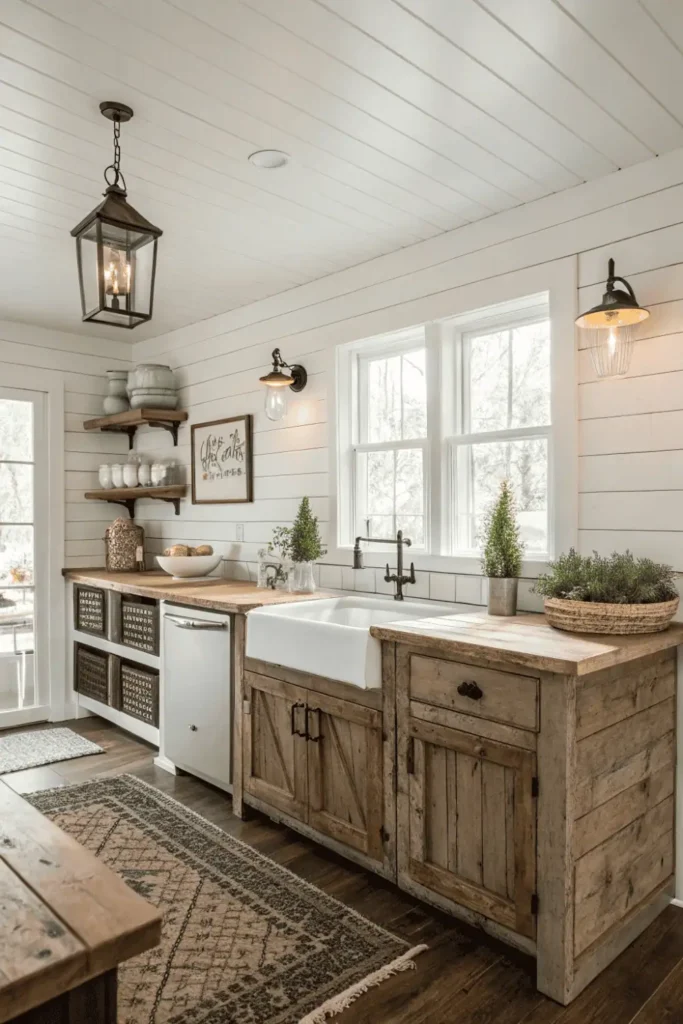
Reclaimed wood, vintage finds, and comfortable furniture create warm farmhouse home decor styles with lived-in character. The approachable aesthetic celebrates imperfection and authenticity.
Shiplap walls, barn doors, and apron sinks anchor the rustic look while neutral colors, natural textures, and antique accents layer coziness. The style embraces casual, family-friendly comfort.
Open shelving, farmhouse tables, and vintage lighting complete the aesthetic. The collected-over-time appearance feels welcoming and unpretentious.
Pro Tip: Mix genuinely old vintage pieces with quality new farmhouse reproductions to achieve authentic character without the challenges of furnishing entirely with antiques in your home decor styles.
3. Scandinavian (Nordic) Style
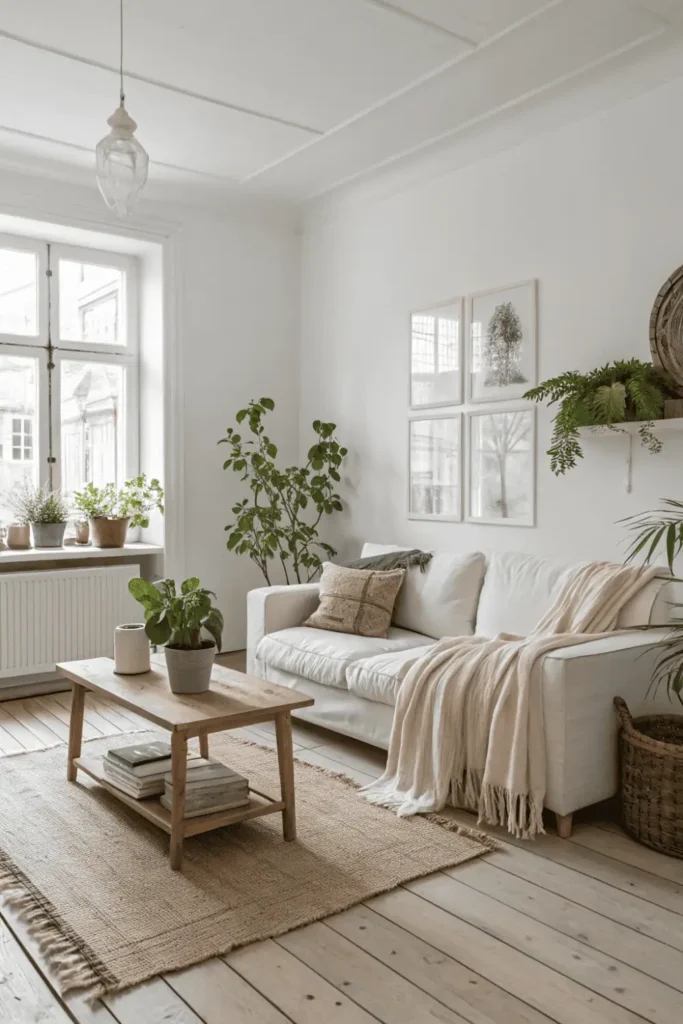
Light wood, white walls, and functional minimalism characterize Scandinavian home decor styles focused on beauty and practicality. The bright, airy approach originated in Nordic countries with limited daylight.
Natural materials including pale oak, linen, and wool create warmth within minimal palettes. Simple forms, clean lines, and “hygge” coziness balance aesthetics with livability.
Abundant natural light, indoor plants, and occasional black accents add visual interest without overwhelming. The restrained approach creates serene, livable spaces.
Pro Tip: Incorporate soft textiles like sheepskin throws, chunky knit blankets, and linen pillows to add the essential coziness (hygge) that prevents Scandinavian home decor styles from feeling too sparse.
4. Industrial Loft Style
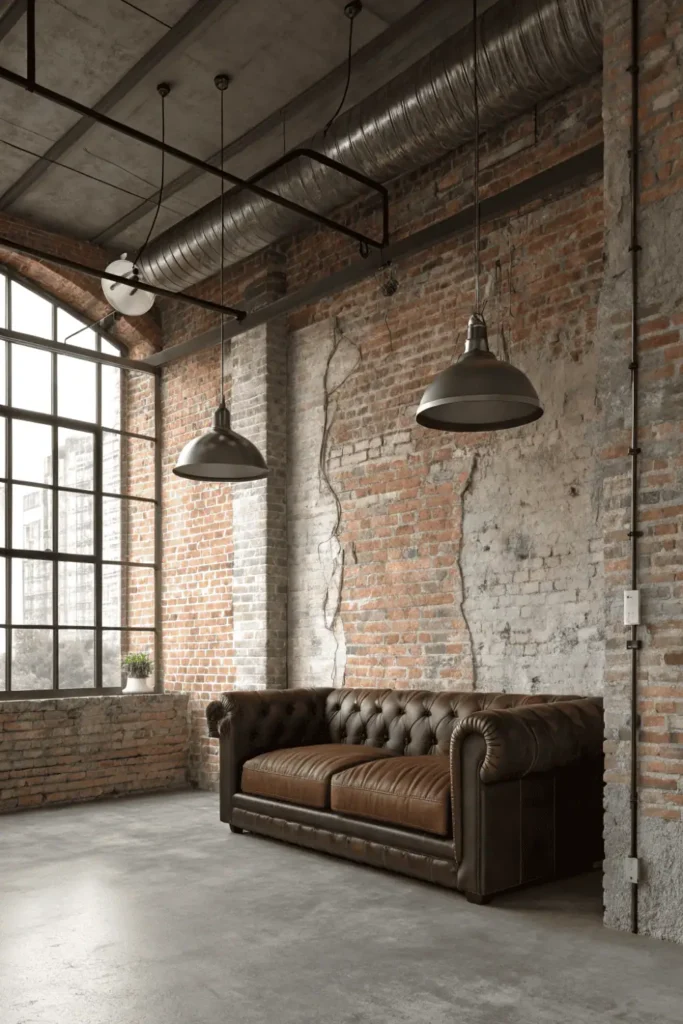
Exposed brick, concrete, and visible ductwork define industrial home decor styles inspired by converted warehouses and factories. The urban aesthetic celebrates raw, unfinished materials.
Metal fixtures, Edison bulbs, and reclaimed wood create authentic industrial character. Neutral palettes with black accents maintain the utilitarian edge.
Open floor plans, high ceilings, and large windows suit the style perfectly. The masculine, edgy approach works beautifully in urban lofts and contemporary homes.
Pro Tip: Soften industrial elements with plush textiles, area rugs, and living plants to prevent your home decor styles from feeling too harsh or cold despite the raw materials.
5. Traditional Classic Style
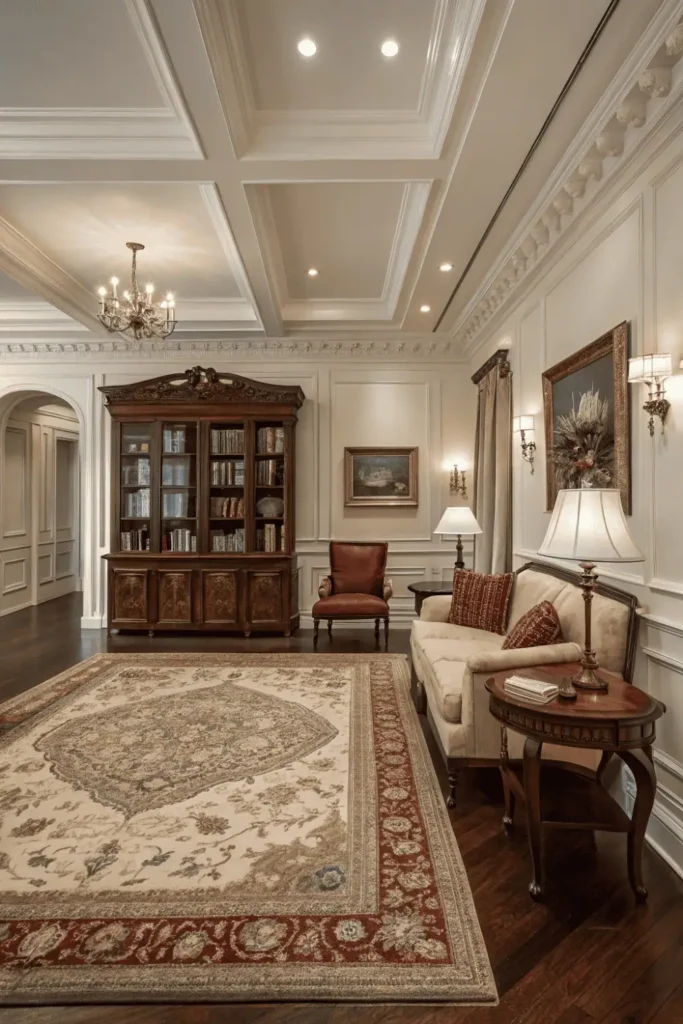
Ornate details, rich woods, and formal arrangements create elegant traditional home decor styles. The time-honored approach emphasizes symmetry, quality craftsmanship, and established design principles.
Crown molding, wainscoting, and coffered ceilings add architectural interest while antique furniture, oriental rugs, and classic fabrics layer sophistication. The refined aesthetic never feels trendy.
Dark wood tones, jewel-tone colors, and layered window treatments complete traditional interiors. The formal beauty suits those appreciating historical design and permanence.
Pro Tip: Update traditional home decor styles by using classic furniture silhouettes in lighter finishes and incorporating one modern element like contemporary art to prevent spaces from feeling dated.
6. Coastal Beach House Style
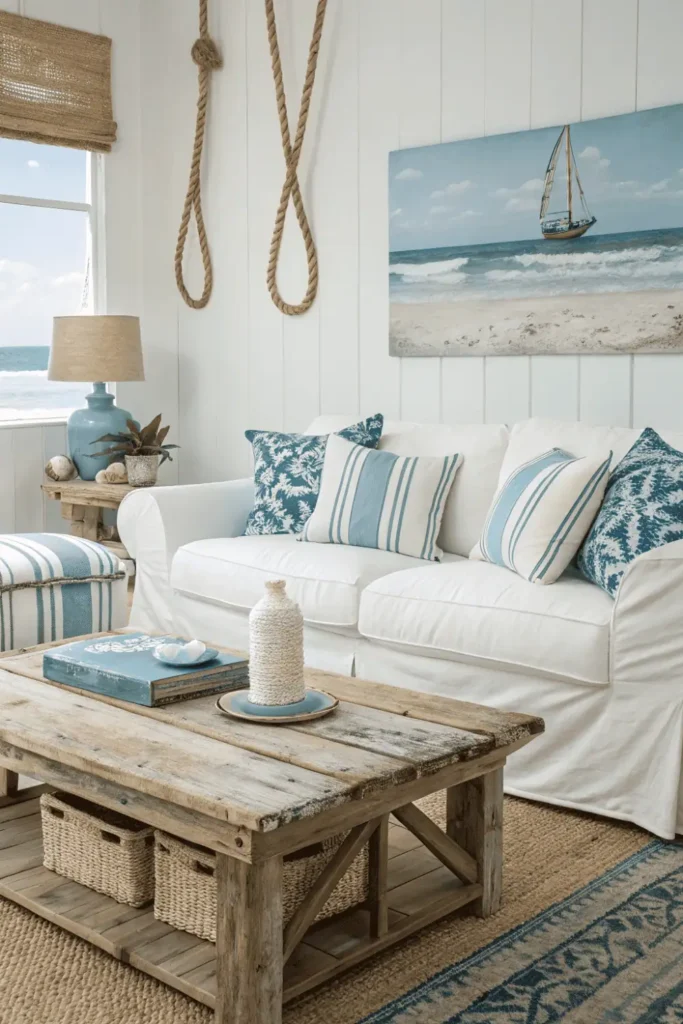
Light blues, whites, and natural textures evoke seaside serenity in coastal home decor styles. The relaxed aesthetic brings vacation feelings into everyday living.
Weathered wood, rope details, and nautical accents reference beach house architecture authentically. Slipcover furniture, sea glass colors, and organic materials create breezy, casual comfort.
Natural light, white walls, and ocean-inspired palettes maintain the airy foundation. The laid-back style suits those seeking relaxed, unpretentious environments.
Pro Tip: Keep coastal home decor styles sophisticated by using subtle nautical references rather than obvious anchors and shells—think texture and color palette over literal beach themes.
7. Mid-Century Modern Style
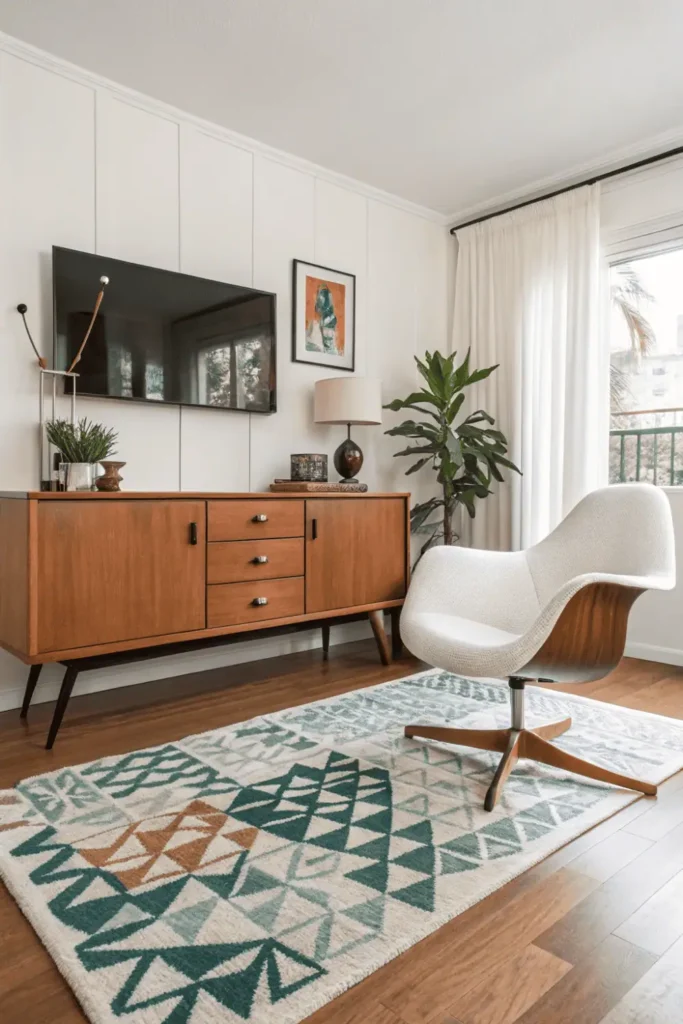
Organic curves, tapered legs, and retro silhouettes define mid-century modern home decor styles from the 1950s-1960s. The iconic aesthetic remains perpetually popular through timeless design.
Teak furniture, geometric patterns, and bold colors characterize the era’s optimistic design. Functionality meets artistic form in pieces that serve as both furniture and sculpture.
Clean lines, minimal ornamentation, and open floor plans create the signature look. The style suits those appreciating vintage design with contemporary relevance.
Pro Tip: Invest in one or two authentic mid-century pieces and mix with quality reproductions to achieve the aesthetic affordably while maintaining authenticity in your home decor styles.
8. Bohemian Eclectic Style
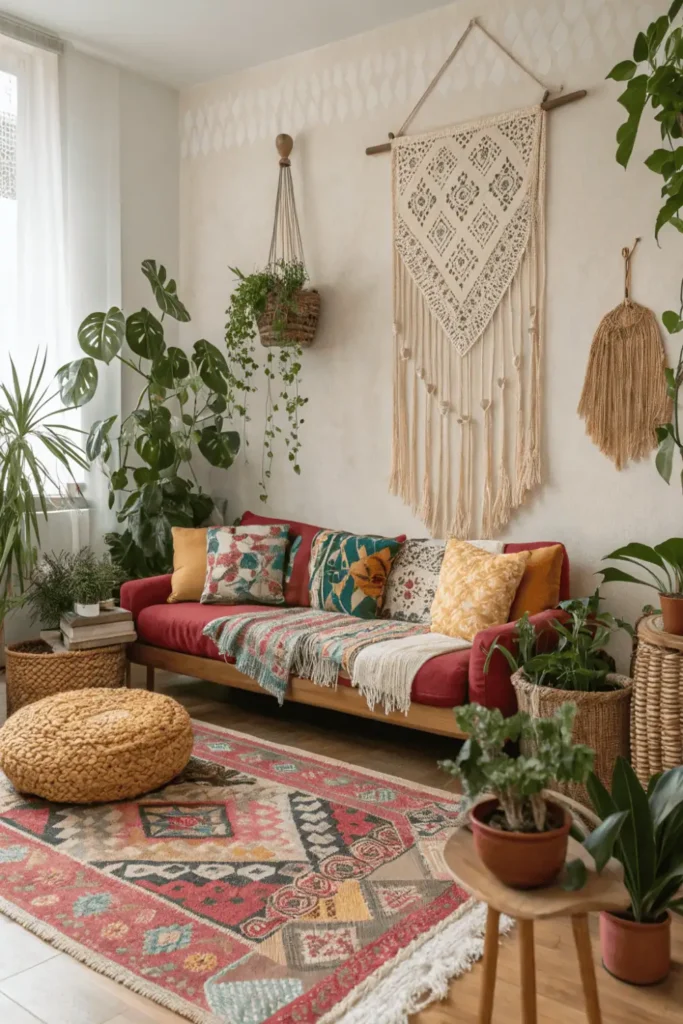
Pattern mixing, global textiles, and collected treasures create free-spirited bohemian home decor styles. The artistic approach celebrates individuality and creative expression without rigid rules.
Macramé, vintage rugs, and colorful pillows layer texture and personality. Plants, natural materials, and handcrafted objects from various cultures create worldly sophistication.
Mix-and-match furniture, layered textiles, and personal collections build authentic bohemian character. The relaxed aesthetic suits creative, well-traveled individuals.
Pro Tip: Ground eclectic bohemian home decor styles with one neutral anchor like white walls or natural wood floors to prevent the layered aesthetic from becoming chaotic or overwhelming.
9. Transitional Blend Style
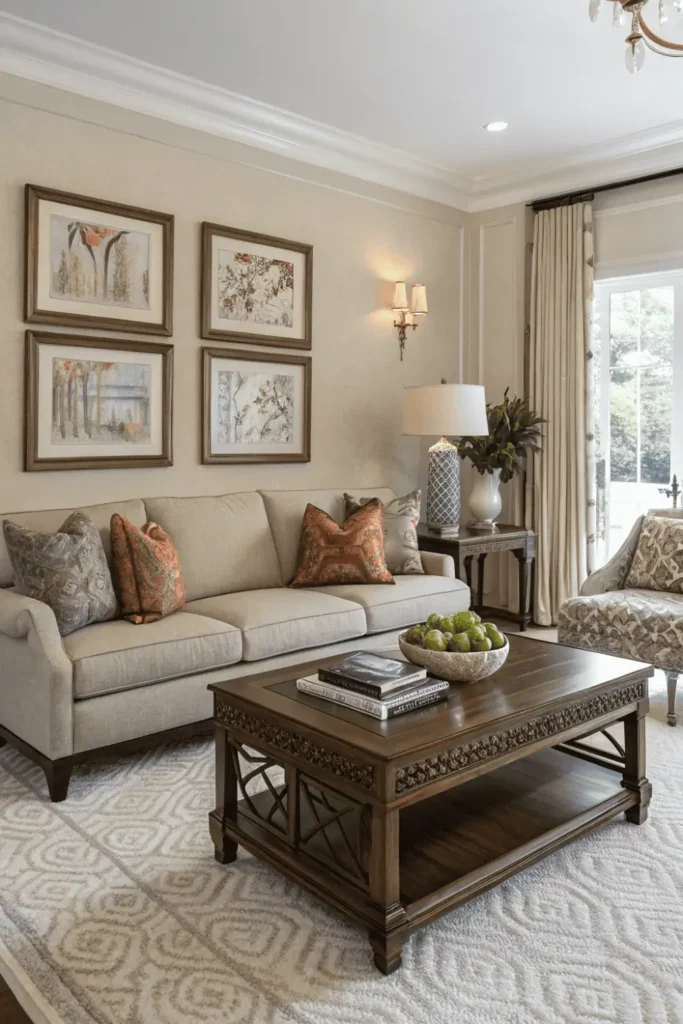
Classic furniture with contemporary finishes creates versatile transitional home decor styles bridging traditional and modern aesthetics. The balanced approach offers timeless appeal with current relevance.
Neutral palettes, clean lines, and quality materials maintain sophistication without leaning fully traditional or contemporary. Mix wood tones, subtle patterns, and textured fabrics for dimensional interest.
The best of both worlds approach suits those unable to choose single styles or seeking broad market appeal for resale.
Pro Tip: Use the 60-40 rule in transitional home decor styles—60% of one style (traditional or contemporary) with 40% of the other to create intentional blend rather than confused mixing.
10. Minimalist Simple Style
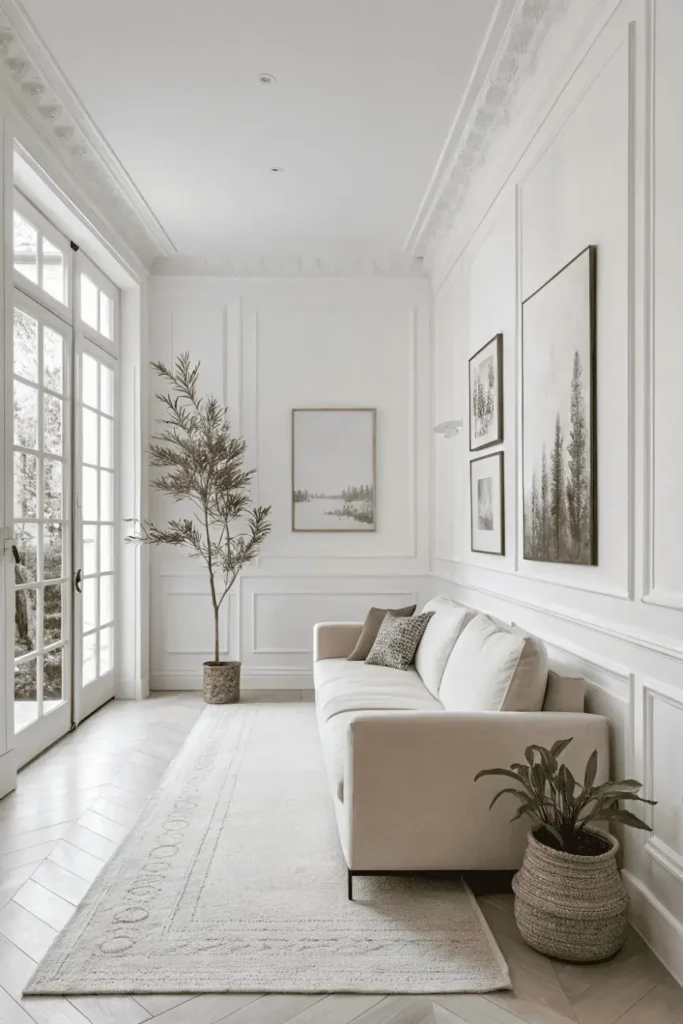
Less is more philosophy defines minimalist home decor styles through extreme simplification and intentional restraint. Every item serves purpose or brings joy without excess.
Monochromatic palettes, hidden storage, and uncluttered surfaces create calm, zen-like environments. Quality over quantity emphasizes investment in fewer, better pieces.
Clean lines, functional furniture, and abundant negative space characterize the aesthetic. The disciplined approach suits those seeking simplicity and mental clarity.
Pro Tip: Embrace minimalist home decor styles gradually by decluttering first, then living with less before purchasing new minimal furniture to ensure the stark aesthetic truly suits your lifestyle.
11. Mediterranean Tuscan Style
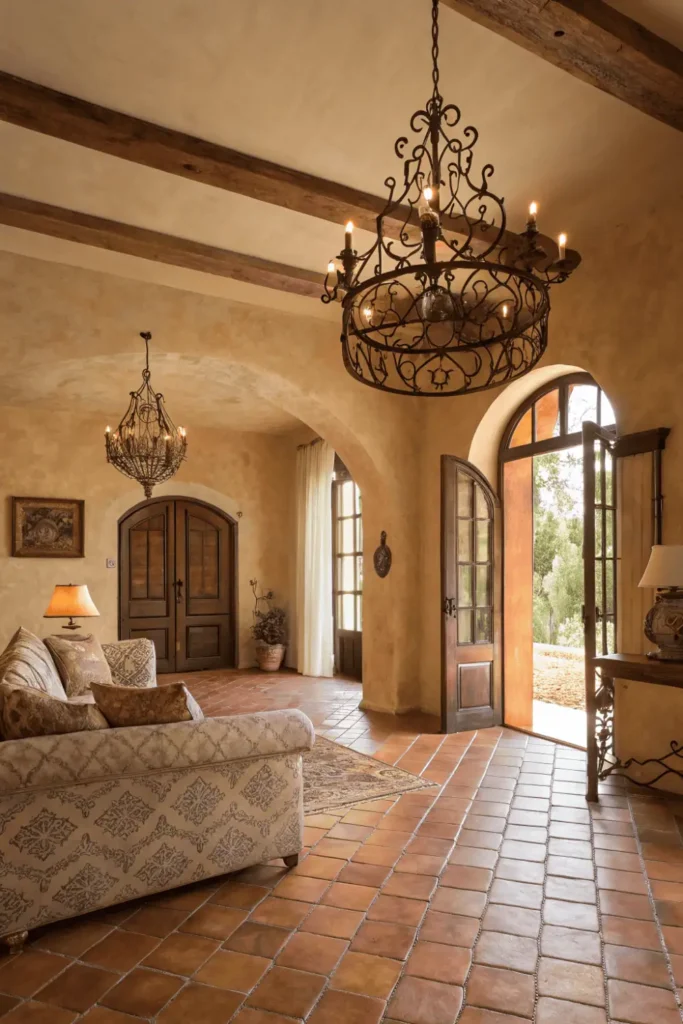
Warm terracotta, rustic wood, and Old World charm create inviting Mediterranean home decor styles. The sun-drenched aesthetic celebrates European villa living with organic elegance.
Arched doorways, wrought iron fixtures, and textured plaster walls establish architectural character. Earth tones, rich fabrics, and handcrafted tiles layer warmth and authenticity.
Natural materials, outdoor-indoor flow, and relaxed luxury define the style. The romantic aesthetic suits those drawn to European countryside living.
Pro Tip: Focus Mediterranean home decor styles on texture through plaster walls, rough-hewn beams, and stone rather than trying to recreate architectural elements in non-Mediterranean homes.
12. Art Deco Glamour Style
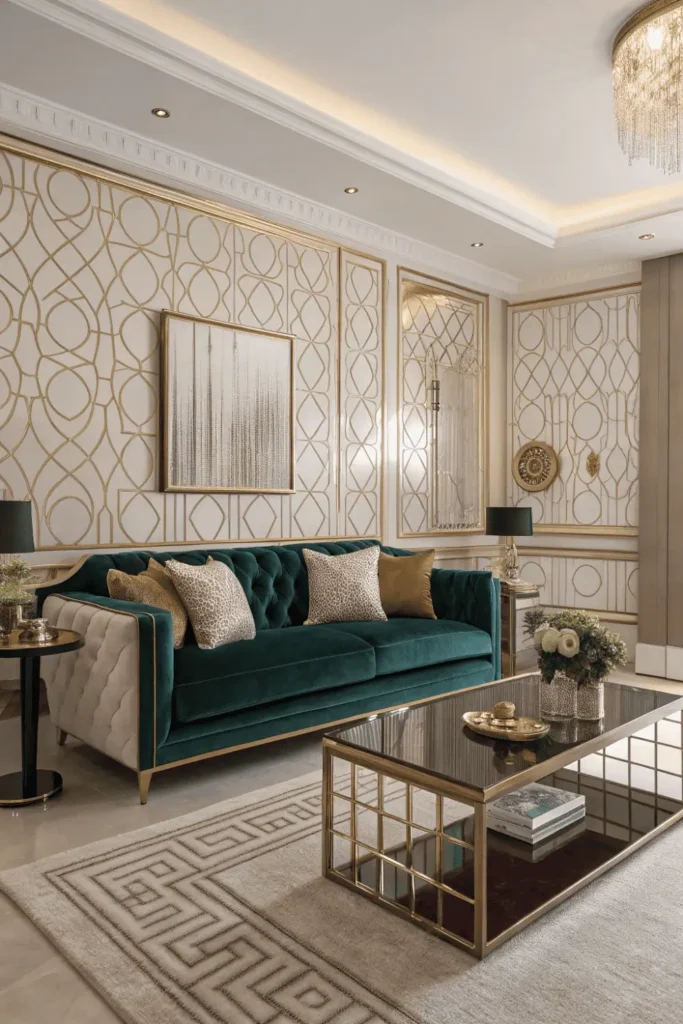
Geometric patterns, luxurious materials, and metallic finishes create opulent Art Deco home decor styles. The 1920s-inspired aesthetic delivers Hollywood regency glamour.
Velvet, lacquer, and mirrored surfaces reflect light dramatically while bold blacks, golds, and jewel tones create the signature palette. Sunburst motifs, stepped forms, and symmetrical designs reference the era.
High-contrast colors, statement lighting, and luxe textures complete the glamorous look. The theatrical approach suits those embracing vintage elegance.
Pro Tip: Use Art Deco elements as accents through lighting, mirrors, or wallpaper rather than full-room commitment to incorporate the glamorous style into your home decor styles manageably.
13. Country Cottage Style
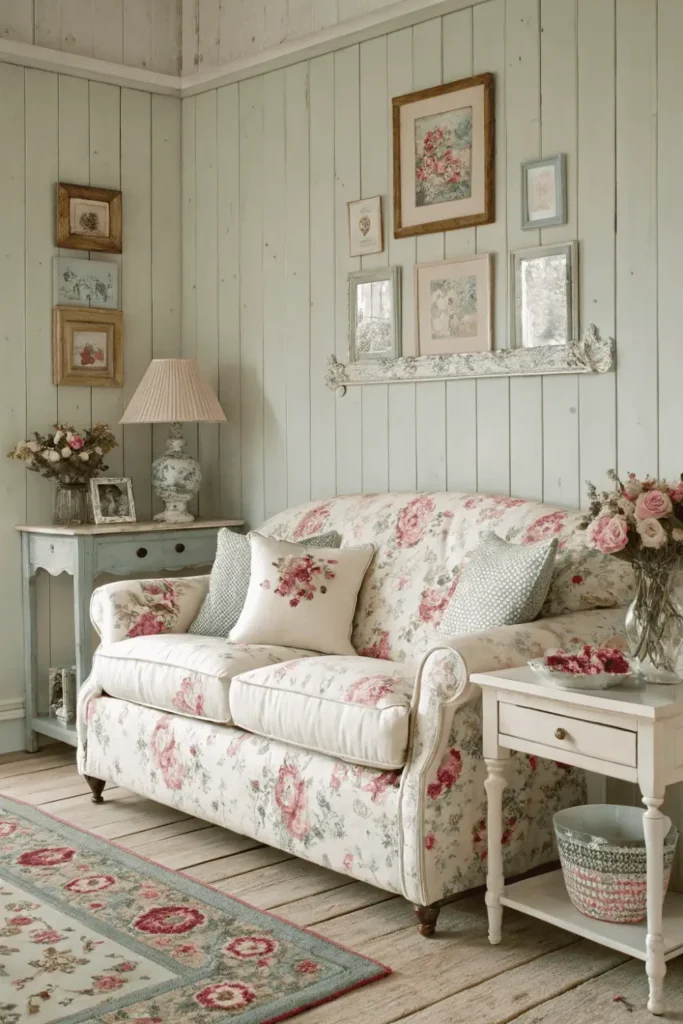
Floral patterns, vintage furniture, and cozy textiles create charming country cottage home decor styles. The romantic aesthetic celebrates English countryside living with garden-inspired beauty.
Pastel colors, ruffled fabrics, and antique accessories layer feminine softness. Beadboard, vintage mirrors, and cottage furniture establish the look’s casual elegance.
Mix patterns freely, display collections, and embrace imperfection for authentic cottage character. The gentle aesthetic suits those appreciating traditional romance.
Pro Tip: Balance country cottage sweetness by keeping walls neutral and limiting florals to fabrics and accessories, preventing your home decor styles from becoming overly precious or dated.
Pinterest Image Prompt: Vertical image of country cottage living room with floral chintz sofa, vintage side table, pastel colors, beadboard walls, romantic home decor styles, English countryside, charming and soft, garden-inspired
14. Asian Zen Style
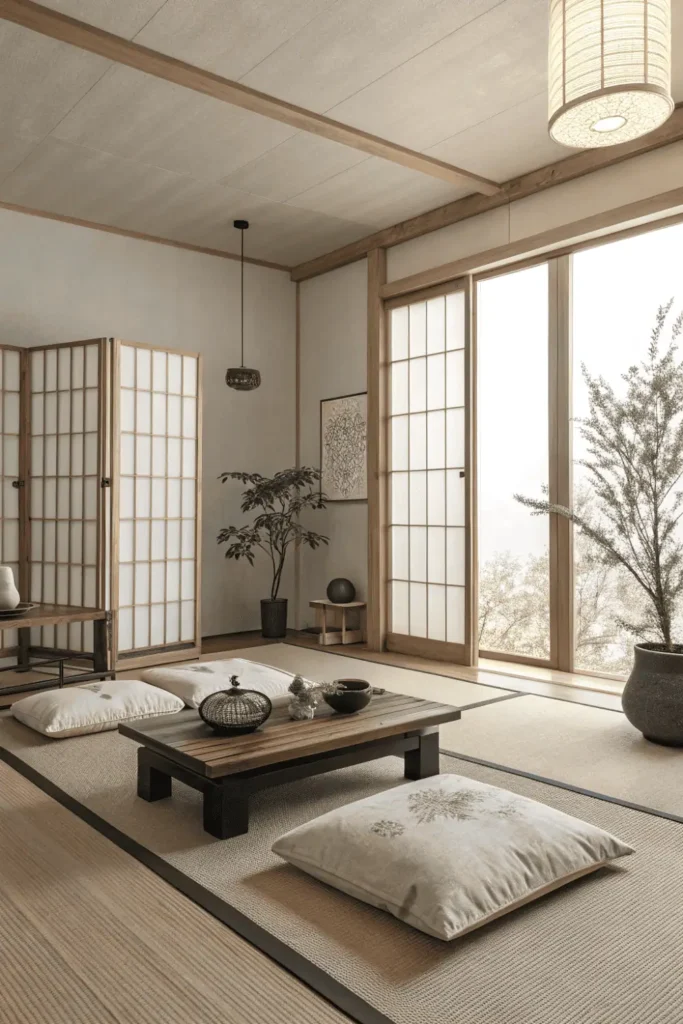
Minimalism, natural materials, and peaceful simplicity characterize Asian-inspired home decor styles. The contemplative aesthetic promotes tranquility through intentional restraint.
Low furniture, neutral palettes, and natural light create serene foundations. Bamboo, stone, and paper reference traditional Japanese and Chinese design authentically.
Clean lines, thoughtful placement, and connection to nature define the philosophy. The meditative approach suits those seeking calm, uncluttered environments.
Pro Tip: Incorporate authentic Asian pieces sparingly rather than theme-park decoration, focusing on the minimalist principles and natural materials in your home decor styles for respectful interpretation.
15. Eclectic Mix Style
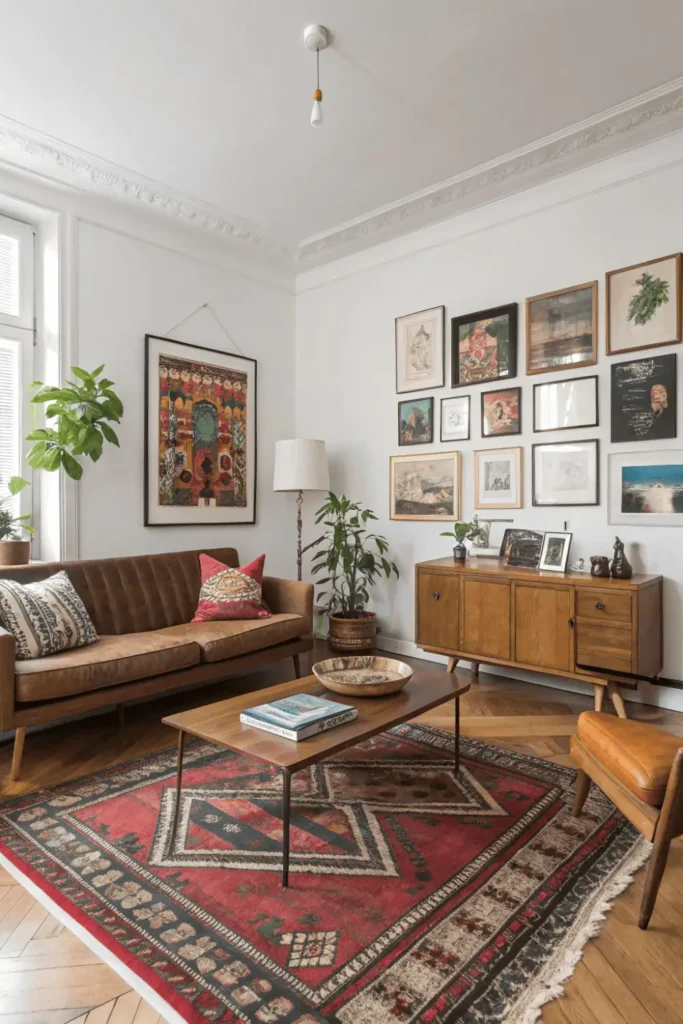
Intentional mixing of different styles, eras, and influences creates personalized eclectic home decor styles. The confident approach celebrates individuality without following single aesthetic rulebook.
Combine vintage and modern, formal and casual, global and local pieces thoughtfully. The key lies in unifying elements like color palette or repetitive shapes that tie disparate items together.
Personal collections, meaningful objects, and curated chaos build authentic eclectic character. The brave aesthetic suits creative individuals comfortable breaking conventional rules.
Pro Tip: Use one dominant style (50%) as foundation with supporting styles (30-20%) to create intentional eclectic home decor styles rather than confused hodgepodge lacking cohesion.
Why Understanding Home Decor Styles Matters
Identifying your preferred aesthetic streamlines purchasing decisions and prevents costly mistakes buying items that don’t coordinate. Clear home decor styles direction creates cohesive spaces rather than disconnected room collections.
Communication with designers and contractors improves dramatically when you articulate style preferences using established vocabulary. The shared language ensures everyone works toward the same aesthetic vision.
Confidence in decorating choices grows from understanding which elements belong to your chosen style and which clash. The knowledge empowers making intentional decisions aligned with home decor styles you love.
Things to Consider Before Choosing Home Decor Styles
Evaluate your lifestyle and household needs honestly before committing to specific home decor styles—minimalism with young children proves challenging while formal traditional doesn’t suit casual families. Function must support your actual life.
Consider your home’s architecture and whether fighting its inherent style makes sense. Mid-century modern furniture suits ranch homes naturally while traditional pieces complement colonials—working with architecture creates harmony.
Think about long-term satisfaction and whether bold style choices maintain appeal over decades or tire quickly. Classic home decor styles like traditional and transitional demonstrate better longevity than trendy approaches requiring frequent updates.
Comparison Table of Home Decor Styles
| Style | Color Palette | Key Materials | Formality Level | Budget Requirement | Trend Longevity |
| Modern Contemporary | Neutrals, monochrome | Glass, metal, concrete | Low – minimal | Medium-High | Excellent – timeless |
| Farmhouse Rustic | Whites, neutrals, soft colors | Reclaimed wood, vintage finds | Very Low – casual | Low-Medium | Excellent – enduring appeal |
| Scandinavian | Whites, light woods, soft grays | Light wood, linen, wool | Low – functional | Medium | Excellent – timeless minimalism |
| Industrial Loft | Grays, blacks, browns | Metal, brick, concrete | Low – edgy | Medium | Good – urban classic |
| Traditional Classic | Rich jewel tones, warm neutrals | Dark wood, silk, leather | High – formal | High | Excellent – never dated |
| Coastal Beach | Blues, whites, sandy neutrals | Weathered wood, natural fibers | Low – relaxed | Medium | Good – vacation feeling |
| Mid-Century Modern | Warm woods, bold accent colors | Teak, walnut, molded plastic | Medium – refined casual | Medium-High | Excellent – iconic design |
| Bohemian Eclectic | Rich colors, global patterns | Mixed textiles, natural materials | Very Low – artistic | Low-Medium | Good – personal expression |
| Transitional Blend | Neutrals with subtle accents | Quality mix of materials | Medium – versatile | Medium-High | Excellent – balanced appeal |
| Minimalist | Whites, blacks, monochrome | Quality basics, minimal materials | Low – simple | Medium-High (quality pieces) | Excellent – timeless simplicity |
| Mediterranean Tuscan | Terracottas, warm earth tones | Stone, plaster, wrought iron | Medium – relaxed luxury | High | Good – Old World charm |
| Art Deco Glamour | Blacks, golds, jewel tones | Velvet, lacquer, mirrors | High – theatrical | High | Good – vintage glamour |
| Country Cottage | Pastels, soft florals | Painted wood, chintz, lace | Medium – romantic | Medium | Fair – traditional romance |
| Asian Zen | Neutrals, natural tones | Bamboo, stone, paper | Low – minimal | Medium | Excellent – contemplative calm |
| Eclectic Mix | Varied – unified by theme | Mixed from all styles | Varies – personal | Low-High | Good – personal curation |
Recommended Products for Home Decor Styles
Multi-Style Design Book Collection
This comprehensive interior design guide explores all major home decor styles with beautiful photography, historical context, and practical implementation tips. The 500+ page hardcover includes room-by-room examples, material guides, and color palette suggestions for each aesthetic. Customers praise how this reference helps identify personal style preferences and provides vocabulary for communicating with designers, making it essential for anyone beginning decorating journeys.
Style Quiz and Planning Workbook
This interactive design workbook includes quizzes, planning worksheets, and mood board templates for discovering your ideal home decor styles. The step-by-step process helps narrow preferences from overwhelming options to clear direction through curated questions and visual exercises. Users love how the systematic approach reveals aesthetic preferences they couldn’t articulate, providing confidence for making decorating decisions aligned with their true style.
Decorative Pillows in Multiple Styles
This versatile pillow cover set includes four designs representing different home decor styles—modern geometric, farmhouse plaid, coastal stripe, and bohemian pattern. The removable covers with hidden zippers allow easy style experimentation and seasonal changes using standard 18×18 inch inserts. Customers appreciate testing different aesthetics affordably through accessories before committing to larger furniture purchases, making these perfect for style exploration.
Frequently Asked Questions About Home Decor Styles
How do I identify my personal home decor style?
Create Pinterest boards or physical inspiration folders collecting images of rooms you love without analyzing why. After gathering 30-50 images, look for common threads in colors, furniture styles, and overall feelings that reveal your aesthetic preferences.
Take online style quizzes from design websites and note which home decor styles appear repeatedly in results. Visit furniture stores and notice which displays make you want to sit down and stay—your visceral reactions reveal more than intellectual analysis.
Can I mix different home decor styles?
Yes—transitional and eclectic approaches intentionally blend styles successfully when done thoughtfully. The key lies in choosing one dominant style (50-60% of elements) with supporting styles as accents rather than equal mixing that creates confusion.
Unifying elements like color palette, wood tones, or metal finishes tie disparate home decor styles together cohesively. Ensure pieces share at least one common characteristic—scale, color, material, or era—to create intentional mixing rather than haphazard collection.
What home decor style has the best resale value?
Transitional style blending traditional and contemporary elements appeals most broadly to potential buyers, making it safest for resale value. The balanced approach offends no one while demonstrating quality and care.
Neutral contemporary and modern farmhouse also demonstrate strong resale appeal through current popularity and broad demographic reach. Avoid highly personal home decor styles like bold bohemian or ultra-minimalist that polarize buyers and limit market appeal.
How much does it cost to decorate in different styles?
Minimalist and Scandinavian styles can be achieved affordably ($5,000-15,000 for living room) through quality basics and restraint. Farmhouse and coastal fall in similar ranges ($7,000-20,000) using vintage finds and accessible materials.
Traditional, Mediterranean, and Art Deco typically require higher budgets ($15,000-40,000+) due to quality furniture, custom elements, and luxury materials. However, any home decor styles can be approached at multiple price points through strategic spending and DIY elements versus designer purchases.