
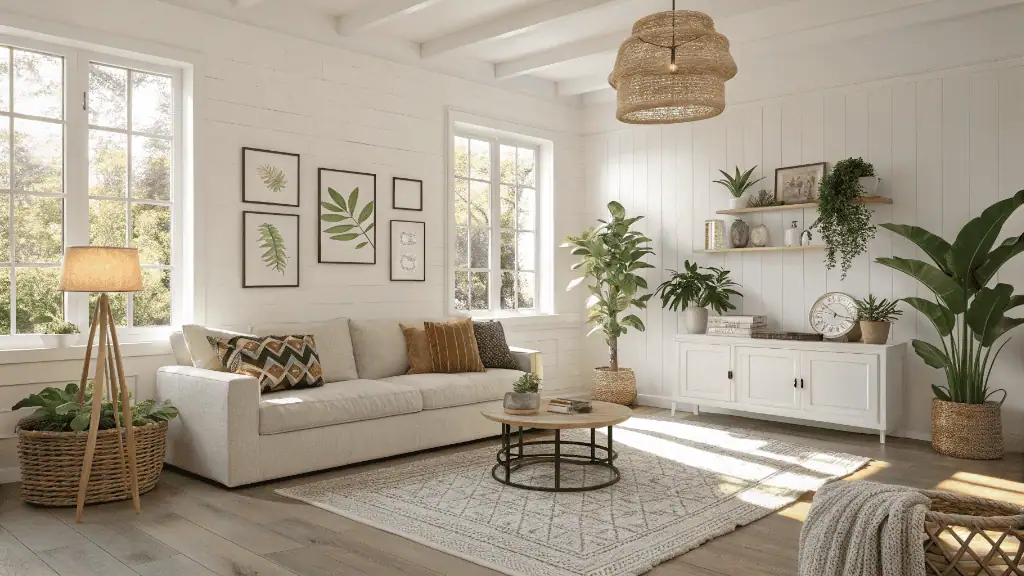
Creating a beautiful home does not have to be complicated or expensive. Home decor ideas are simple design strategies that help you improve the look, feel, and comfort of your living space.
Whether you live in a small apartment or a large family house, the right decor choices can make any room feel more stylish, organized, and welcoming. The goal of home decor is to reflect your personality while making your space functional and enjoyable to live in.
This guide will help you understand what home decor really means and show you how to decorate step by step in a practical and stress-free way.
A Quick Look at What Home Decor Ideas Include

Home decor ideas are simple ways to make your home look nicer, feel calmer, and work better for your daily routine. These ideas can include picking colors that match, choosing the right furniture size, adding soft lighting, using plants or art, and setting up storage that keeps clutter out of sight.
They also cover small changes like switching pillows, adding a rug, moving furniture for better flow, or using mirrors to make a room look bigger. Research in environmental psychology shows that these small updates can improve your mood, reduce stress, and make your home feel more welcoming.
Good home decor ideas always balance two things:
• How your space looks
(clean, cozy, and put-together)
• How your space works
(easy to move around, comfortable, and organized)
When both work well together, your home feels good to live in every single day — not only when guests visit. This is why decor isn’t “extra.” It’s a simple way to support your comfort, your routines, and your overall well-being.
How Home Decor Affects Your Daily Life

Decor plays a big role in how you feel at home. Studies in environmental psychology show that the colors, lighting, layout, and textures around you can directly affect your mood and stress levels. When your space looks put-together, your brain feels more relaxed and focused.
A well-designed room can:
✅ Boost your mood
Soft colors, natural light, and warm textures can lower stress and make your space feel calmer.
✅ Improve comfort and convenience
Thoughtful layouts, smart storage, and better furniture placement help you move easily and enjoy the space without clutter or frustration.
✅ Help your home feel clean and organized
Clutter-free design, hidden storage, and simple decor choices make your home look tidy with less effort.
✅ Reflect your personality and lifestyle
Your space becomes a quiet mirror of who you are — your tastes, your routines, and what makes you feel safe and comfortable.
✅ Increase the value of your space if you plan to rent or sell
Good decor makes your home look newer, more welcoming, and more polished, which can increase buyer or renter interest.
When done right, home decor is more than styling. It becomes a smart upgrade that improves your daily comfort, supports your mental well-being, and makes your home feel like a place that truly works for you.
How to Decorate Your Home in Easy, Doable Steps
Below is a beginner-friendly guide that breaks home decor into manageable steps you can follow at your own pace. It’s made for anyone who wants a nicer, calmer, and more organized home without feeling confused or rushed. Each step focuses on simple actions that make a real difference, even if you’re decorating for the first time.
Step 1: Choose Your Style

Start by deciding the overall look you want for your home. This gives your decorating a clear direction and keeps you from buying random things that don’t fit together. Popular styles include modern, boho, minimalist, rustic, industrial, and coastal.
💡 Tip: Spend a few minutes on Pinterest searching different style boards. Notice what colors, textures, and layouts you keep saving. That pattern usually shows your taste.
Step 2: Pick a Color Theme

Colors set the mood of a room and shape how the space feels the moment you walk in.
💡 Light colors make small spaces feel bigger and brighter. They reflect more light and help a room feel open instead of cramped.
💡 Dark colors add depth, drama, and warmth. They’re great for cozy corners, bedrooms, or any spot where you want a calm, tucked-in feeling.
💡 Neutral colors are the easiest to decorate around because they match almost anything. They also help your room feel clean and put-together without much effort.
Step 3: Plan Your Furniture Placement
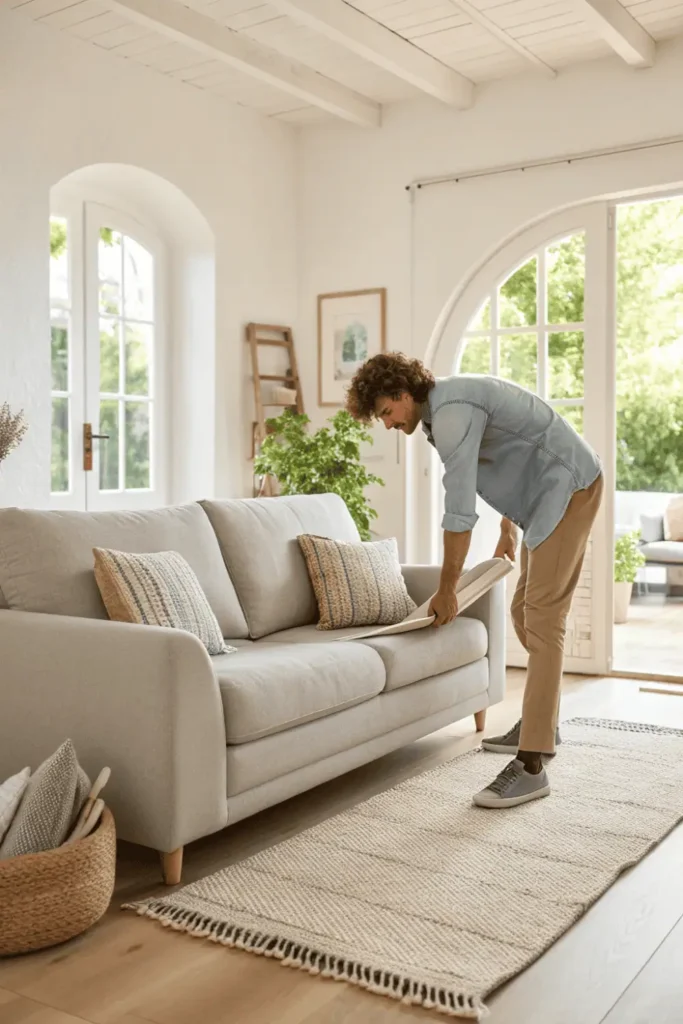
Arrange your furniture in a way that keeps the room open, comfortable, and easy to walk through. A good layout makes your home feel bigger, brighter, and more relaxing, even if you have limited space.
⚠️ Avoid blocking windows or walkways
Natural light is one of the strongest decor tools you have. When furniture sits in front of windows, it makes the room feel heavy and dark. Keeping walkways clear also helps the space feel organized and reduces the feeling of clutter.
💡 Use area rugs to define seating areas
Rugs can visually separate spaces without needing extra furniture. In a living room, a rug helps anchor the sofa, chairs, and table so the setup feels connected. In small homes, this trick creates “sections” like a reading spot, a work corner, or a dining area without walls or dividers.
💡 Make sure furniture fits the room size
Oversized sofas or bulky tables can make a room feel crowded. Choose pieces that leave some open space around them so the room feels balanced.
💡 Create a focal point
Arrange your seating to face something that makes the room feel grounded — a TV unit, a statement wall, artwork, or a window view. This instantly makes the layout look intentional.
💡 Leave a little breathing room
Pulling your sofa a few inches away from the wall or giving side tables space makes the room feel more airy and designed, not squeezed.
Step 4: Use Good Lighting

Good lighting makes a room feel alive, warm, and comfortable. It shapes the mood of the space and helps every decor choice look better.
Use three layers of light to get the best effect:
1. Overhead lighting
This is your main light source (ceiling lights, pendant lights, or chandeliers). It brightens the whole room but shouldn’t be the only light you rely on.
2. Task lighting
These are focused lights you use for specific activities, like reading lamps, desk lamps, kitchen counter lights, or bedside lamps. They make daily tasks easier and add warmth to the room.
3. Accent lighting
These lights highlight certain areas or decor pieces. Think fairy lights, wall sconces, picture lights, or small LED strips behind shelves or TVs. They add depth and make the room feel cozy.
💡 Tip: Use warm bulbs instead of harsh white lights if you want your home to feel calm and welcoming.
Step 5: Use Decor Accessories

Decor accessories are the small pieces that bring a room to life. This includes pillows, plants, artwork, mirrors, vases, candles, baskets, and shelves. These items add color, texture, and personality without needing a big budget or major changes.
💡 A large statement mirror can make small rooms look bigger
Mirrors bounce light around the room and instantly open up tight spaces. Place one across from a window or near a light source to make the room feel brighter and more spacious.
💡 Mix textures for a cozy look
Pair soft pillows with a woven basket, a smooth vase, or a fluffy throw. Texture layering makes any space feel more warm and inviting.
💡 Add plants for freshness
Even one plant can make a room feel more alive. If you struggle with maintenance, go for easy options like snake plants or pothos.
💡 Use shelves to display your style
Shelves help you show small decor pieces without crowding tables or countertops. Keep them simple so they stay clean and easy to manage.
Step 6: Organize and Declutter

💡 Storage baskets and shelves help you stay tidy
Use baskets for items that don’t need to be on display, like remotes, chargers, books, or skincare. Open shelves are great for decor, plants, and items you want easy access to. This keeps your home looking clean without forcing you to “hide” everything.
💡 Declutter in small sections
Instead of doing the whole room at once, clean one corner, one drawer, or one shelf. It feels easier and still makes a big difference.
💡 Have a “donation box” nearby
Whenever you find something you don’t use, drop it in the box. This helps you declutter slowly without pressure.
💡 Give everything a “home”
Keys, mail, skincare, chargers — when each item has a fixed spot, your space stays tidy with almost no effort.
Common Mistakes to Avoid

⚠️ Using too many colors at once
Too many shades can make the room look busy and confusing. Stick to a simple palette of 2–3 main colors so everything feels connected and calm.
⚠️ Overcrowding the room with decor
Too many items — even pretty ones — can make a space feel messy. Leave some empty surfaces so the room can breathe.
⚠️ Hanging art too high
Wall art looks best at eye level. When it’s hung too high, it throws off the balance of the whole room. A good rule: the center of the frame should sit around eye height.
⚠️ Buying furniture that’s too big for the space
Large pieces can make a small room feel cramped. Measure your room before buying and pick furniture that leaves space around it.
⚠️ Ignoring natural light
Light can instantly change how a room feels. Don’t block windows with heavy curtains or tall furniture. Let the sunlight in to make your space feel brighter and bigger.
Paying attention to these small details can help you create a more balanced, comfortable, and well-designed space without much effort.
Wrapping Up the Best Home Decor Ideas

Home decor ideas give you the tools to create a space that feels comfortable, stylish, and personal. By choosing your style, picking the right colors, arranging furniture wisely, and adding thoughtful accessories, you can transform any home with confidence. Remember, decorating does not happen in one day. Start small, stay consistent, and enjoy the process of building a home you love. Ready to begin? Take the first step by choosing your decor style today.
Answers to Common Home Decor Questions
1. Can I decorate my home on a small budget?
Yes, you can. Small, low-cost changes create a big impact. Try adding new pillows, a cozy throw, plants, soft lighting, or a simple color update. Even rearranging your furniture, decluttering, or adding one statement piece (like a rug or mirror) can make your home feel fresh without spending much.
2. What is the first thing I should decorate?
Start with one room so you don’t feel overwhelmed. Begin with a color palette you love, because it guides everything else. Once your colors are set, choose the main furniture pieces, then add decor items like pillows, art, lighting, and plants that match the theme. This keeps your room looking put-together instead of random.
3. How do I make a small room look bigger?
Use tricks that visually open up the space. Mirrors reflect light and make the room feel wider. Light colors brighten the room. Minimal furniture creates breathing space. Good lighting removes dark corners. You can also use vertical shelves and hidden storage to reduce clutter and make it easier to move around.
4. What are some simple home decor ideas I can try right now?
Simple home decor ideas include adding throw pillows, using soft lighting, placing a rug to define a space, using plants for freshness, and rearranging furniture for better flow. These small changes can make your home feel cleaner and cozier without spending much.
5. What home decor ideas work best for a living room?
Home decor ideas for a living room include adding a statement rug, using layered lighting, placing wall art at eye level, and bringing in storage baskets to reduce clutter. You can also mix textures like wood, fabric, and metal to make the room feel warm and inviting.
6. Are there any home decoration ideas that I can make by hand?
Yes, many home decoration ideas can be handmade. You can create wall art, paint old jars for storage, make fabric cushion covers, reuse glass bottles as vases, or build simple shelves. Handmade decor adds a personal touch and helps you decorate on a budget.
4. What are the best home decor ideas for small homes?
Home decor ideas for small homes focus on saving space and avoiding clutter. Use mirrors to make rooms look bigger, pick multi-use furniture, choose light colors, add vertical shelves, and keep decorations simple. These tricks help small homes feel open and easy to move around.
5. How can I use Pinterest for home decor ideas?
Home decor ideas on Pinterest are great for finding styles, color themes, and layout inspiration. Search for room boards like “living room setup,” “small bedroom ideas,” or “cozy home decor” and save the looks you like. Your saved board will help you understand your taste clearly before buying anything.
6. What home decoration items should I start with as a beginner?
Start with easy home decoration items like pillows, rugs, lamps, baskets, wall frames, candles, and plants. These pieces make a room look put-together without needing significant changes or heavy spending.