
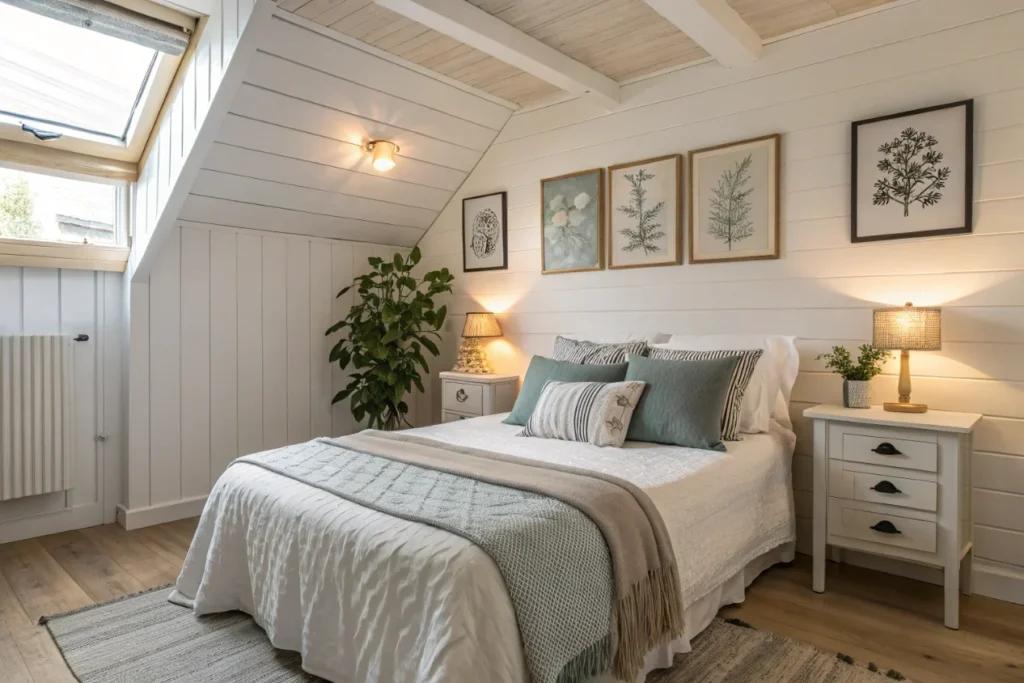
A bed in corner of room placement is a smart design solution that maximizes space, creates cozy sleeping nooks, and opens up floor area for other functions. Whether you’re working with a small bedroom, studio apartment, or simply want to try something different, corner bed positioning offers surprising versatility and style possibilities.
The strategic placement of a bed in corner of room setups transforms awkward spaces into functional, beautiful retreats. This layout works especially well in compact rooms where every square foot counts, allowing you to create distinct zones for sleeping, working, or relaxing.
When you position your bed in corner of room arrangements, you’re not just saving space—you’re creating an intentional design that can feel more intimate and protected. With the right styling and furniture choices, a corner bed becomes a deliberate focal point rather than an afterthought.
List of 11 Best Bed in Corner of Room Ideas
1. Cozy Reading Nook Corner Setup
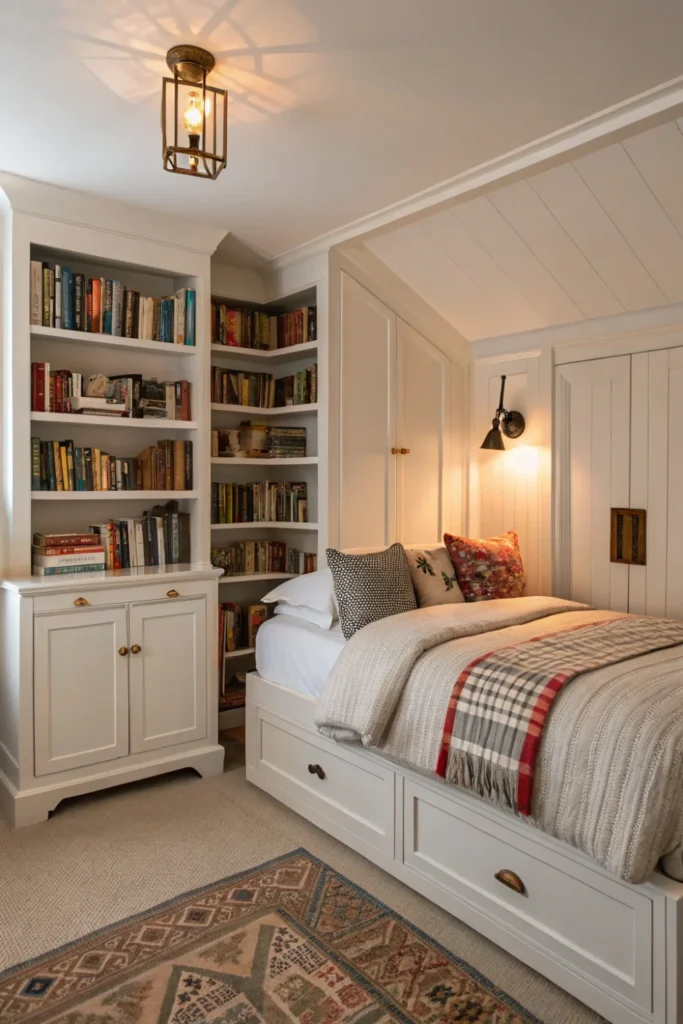
Transform your bed in corner of room placement into a multi-functional reading retreat by adding floor-to-ceiling bookshelves along both adjacent walls. This creates a library-like atmosphere where your sleeping space doubles as a literary sanctuary.
Add wall-mounted reading lights, a small side table, and plush throw pillows to make the corner bed equally suited for sleeping and curling up with a book. The corner position naturally creates that cocooned, protected feeling perfect for relaxation.
Pro Tip: Install floating shelves at varying heights on both walls to create visual interest while keeping books within easy reach from your bed.
2. Studio Apartment Space Divider Layout
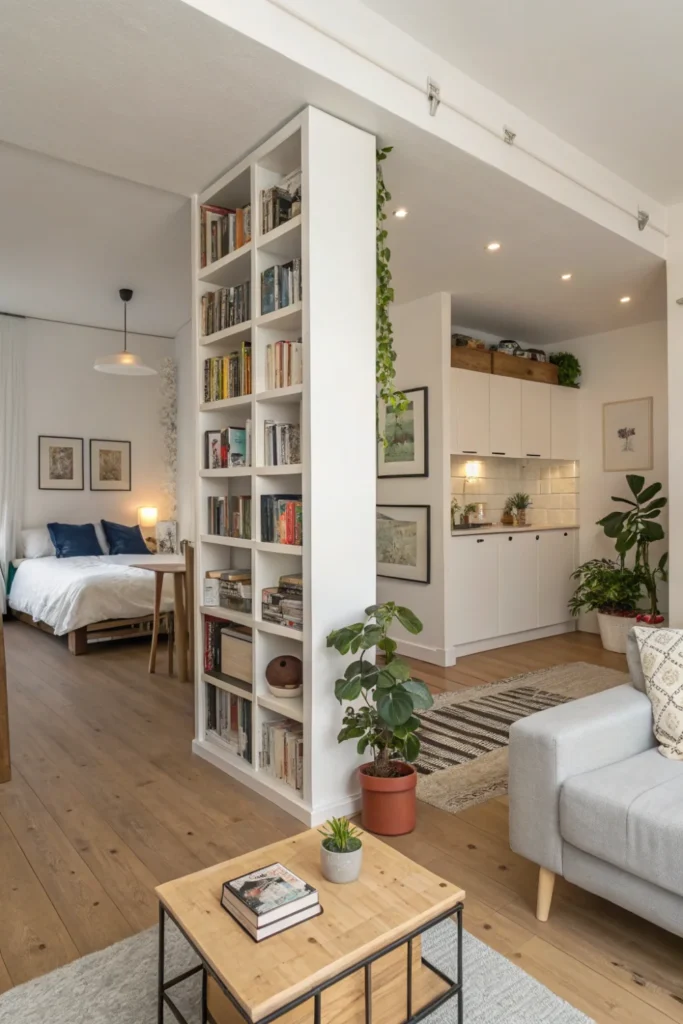
Use a bed in corner of room positioning to create distinct living zones in a studio apartment by placing the bed in the farthest corner and using furniture, rugs, or a bookshelf to visually separate sleeping from living areas. This strategic placement maximizes your limited square footage.
Add a tall bookshelf perpendicular to the bed, a folding screen, or hanging curtains to create privacy and definition. The corner location keeps the bed out of sight from the entrance, making your studio feel more like a true one-bedroom.
Pro Tip: Choose a corner opposite the entrance so guests don’t immediately see your bed when they walk in—this creates a more polished, apartment-like feel.
3. Window Corner Platform Bed
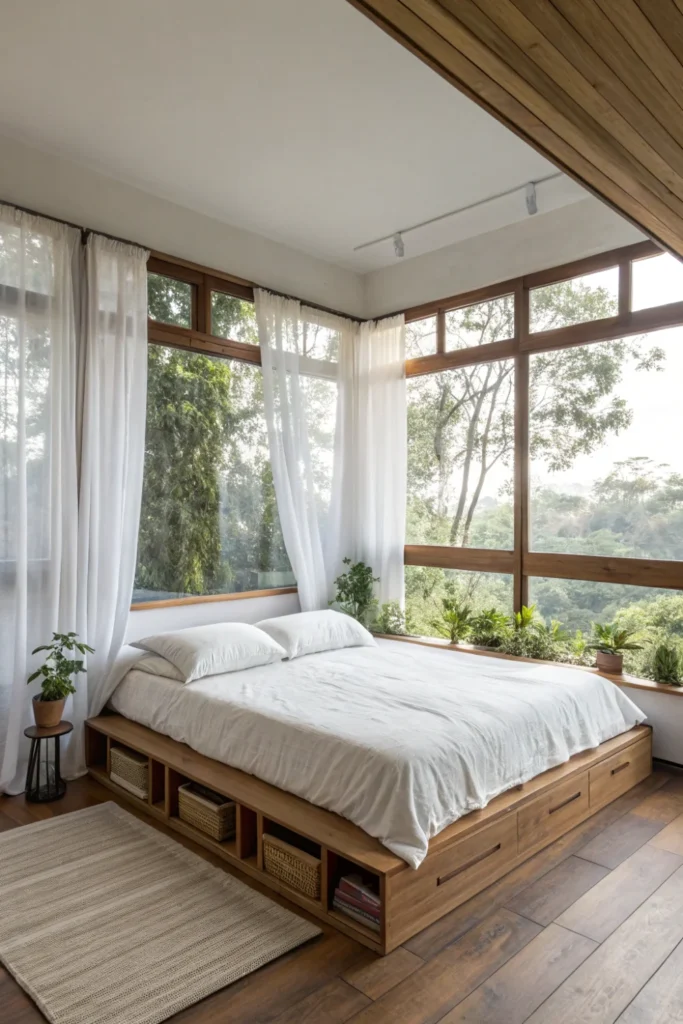
Position your bed in corner of room arrangements beneath or beside corner windows that flood the sleeping area with natural light and beautiful views. This placement makes waking up a pleasure while creating a unique architectural feature.
Build a low platform base that extends along both walls to create built-in storage or display space beside the bed. Add sheer curtains for privacy control without blocking the light that makes this corner bed placement so special.
Pro Tip: Install blackout roller shades behind your sheer curtains for sleep flexibility—you get beautiful filtered light during the day and total darkness when needed.
4. Symmetrical Built-In Corner Nook
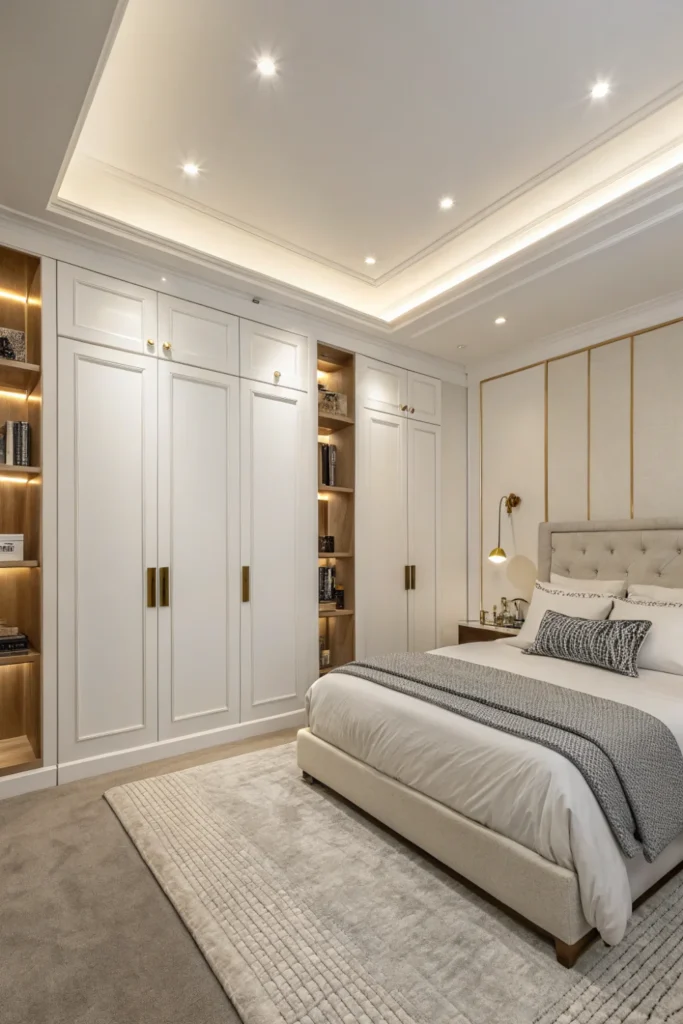
Create a custom built-in sleeping nook by placing your bed in corner of room with matching shelving, storage, or wardrobes flanking both sides. This approach makes the corner bed feel intentional and luxurious rather than space-saving afterthought.
Install built-in nightstands, overhead storage cabinets, or closet systems on both adjacent walls to create perfect symmetry. Integrated lighting and electrical outlets make this corner bed as functional as a traditional centered layout.
Pro Tip: Paint the built-in units the same color as your walls to make them recede visually, preventing the corner from feeling cramped or boxy.
5. Bohemian Canopy Corner Retreat
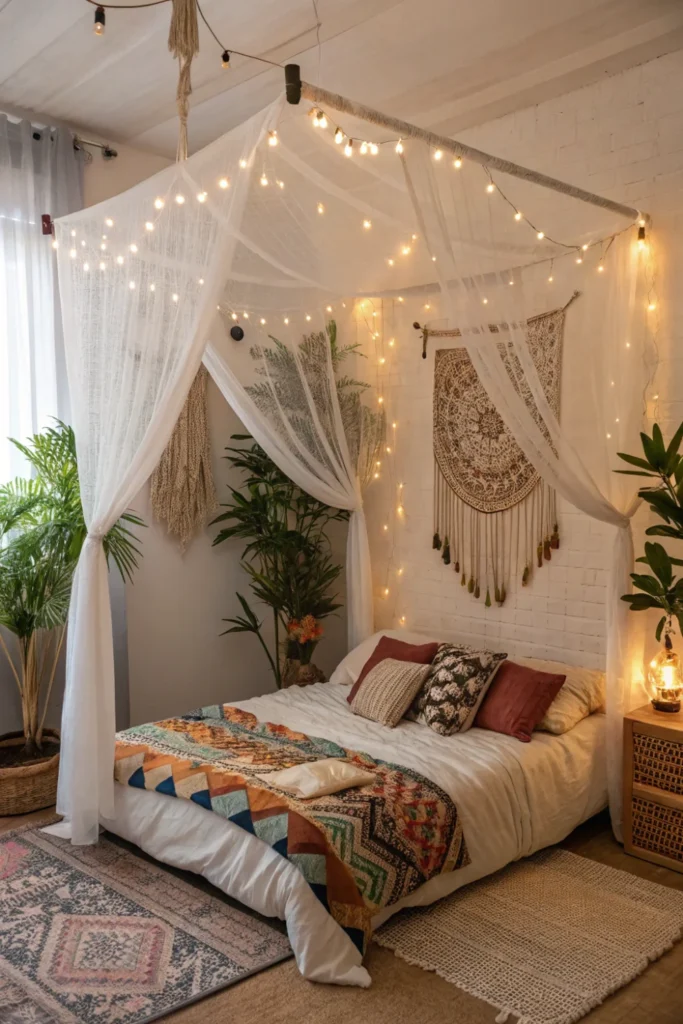
Transform a bed in corner of room into a romantic bohemian sanctuary by hanging fabric canopy, macramé, or string lights from ceiling-mounted curtain rods on both walls. This creates a dreamy, enclosed sleeping space perfect for boho style.
Layer patterned textiles, multiple pillows, and cozy throws to enhance the bohemian vibe. Hang plants, tapestries, or dreamcatchers on the two adjacent walls to make the corner feel like a curated, intentional design feature.
Pro Tip: Use a corner curtain rod kit designed for hospital curtains to create smooth canopy draping—it’s much easier than trying to connect two separate curtain rods.
6. Minimalist Japanese-Inspired Corner
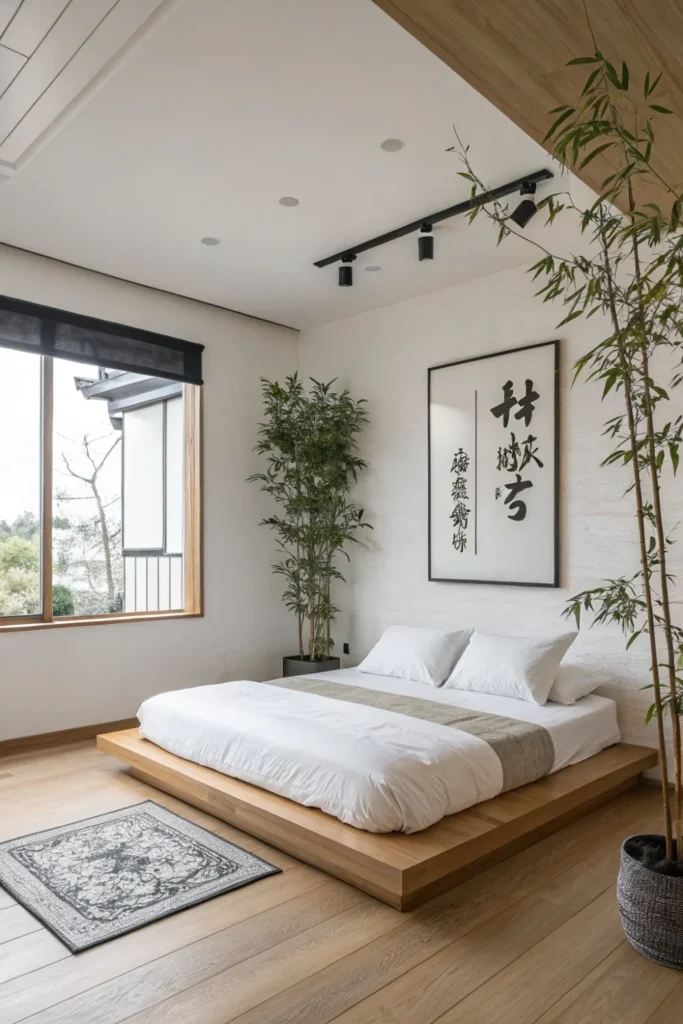
Embrace a bed in corner of room layout with low platform bed or futon positioned directly in the corner for clean, minimalist Japanese-inspired design. This approach celebrates simplicity and creates a serene, uncluttered sleeping environment.
Keep the two adjacent walls mostly bare with one simple piece of art and add low-profile storage like under-bed drawers or a single floating shelf. Use neutral colors, natural materials, and minimal bedding for authentic minimalist aesthetics.
Pro Tip: Leave significant empty floor space around your corner bed—in Japanese design, negative space is as important as furnished areas for creating calm.
7. Kids’ Room Adventure Corner
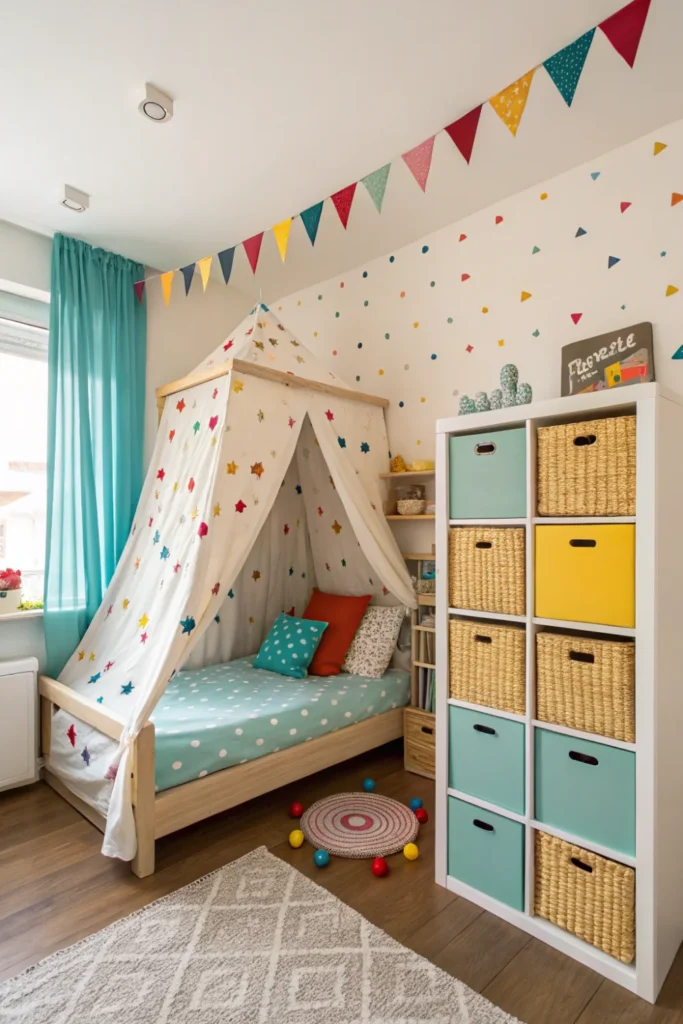
Turn a bed in corner of room into an exciting play space for children by adding themed elements like a tent-style canopy, climbing wall on adjacent walls, or built-in slide. This makes bedtime feel like an adventure rather than a chore.
Incorporate storage cubbies along both walls for toys and books, and use the corner positioning to create a cozy fort-like atmosphere kids naturally love. Chalkboard paint or magnetic paint on one wall adds interactive play value.
Pro Tip: Choose a bed frame with built-in storage drawers to maximize the space-saving benefits of corner placement while keeping toys organized and accessible.
8. Teen Study Corner Combination
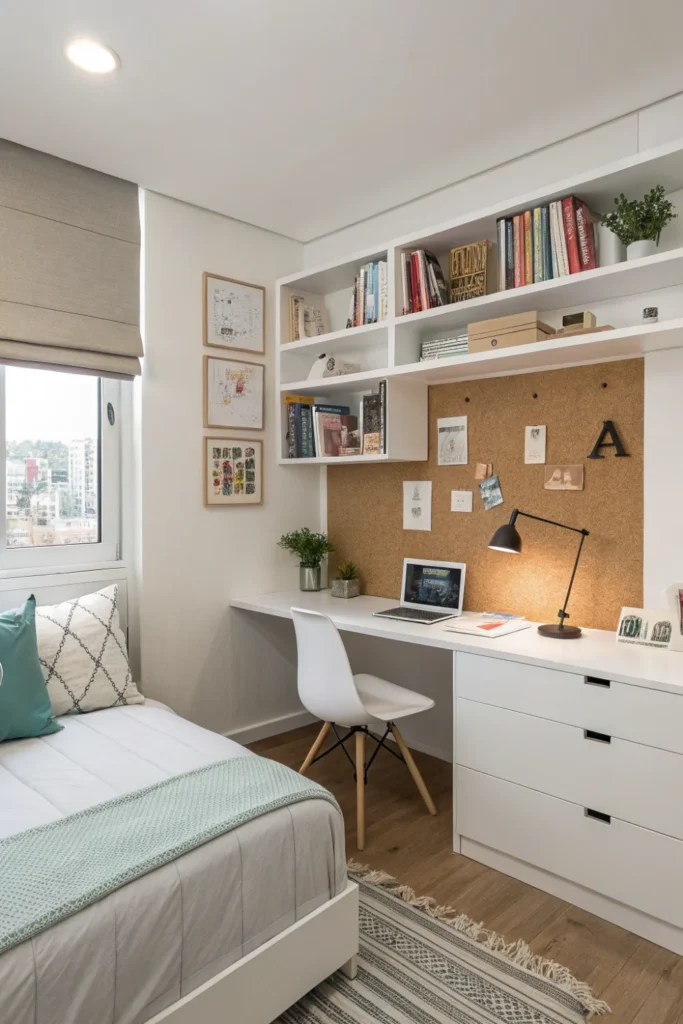
Create a multifunctional teen bedroom by placing the bed in corner of room with a built-in or L-shaped desk wrapping around one adjacent wall. This smart layout provides dedicated study space while maximizing limited square footage.
Add floating shelves above the desk for books and supplies, ensure proper task lighting for homework, and use the corner bed positioning to keep sleeping and studying areas distinct. Incorporate charging stations and cable management for all their devices.
Pro Tip: Install a pegboard or corkboard on the wall above the desk portion for organizing school schedules, photos, and inspiration without cluttering the workspace.
9. Luxe Hotel Corner Suite Style
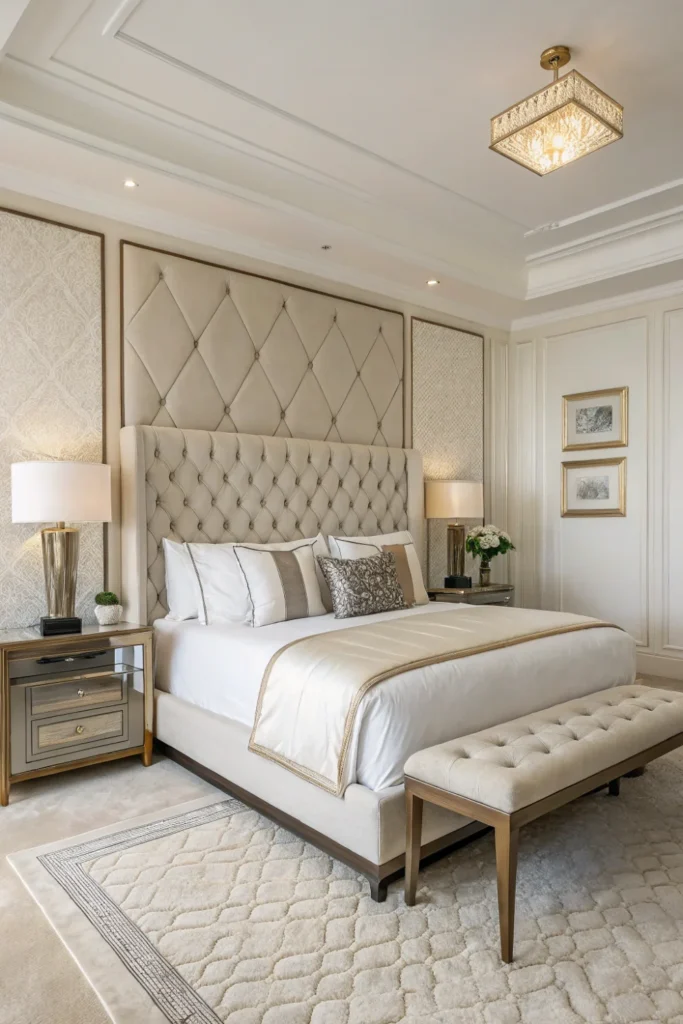
Elevate a bed in corner of room into a boutique hotel aesthetic by positioning an upholstered headboard diagonally across the corner rather than flat against both walls. This unexpected placement creates sophistication and makes the corner bed feel like a deliberate luxury choice.
Flank the diagonal bed with matching nightstands, symmetrical table lamps, and high-end bedding in neutral tones. Add layered lighting including wall sconces and a statement pendant to create that polished hotel ambiance.
Pro Tip: Place a bench or upholstered ottoman at the foot of your diagonal corner bed to complete the luxury suite look and provide a functional spot for suitcases or morning coffee.
10. Attic Corner Sloped Ceiling Solution
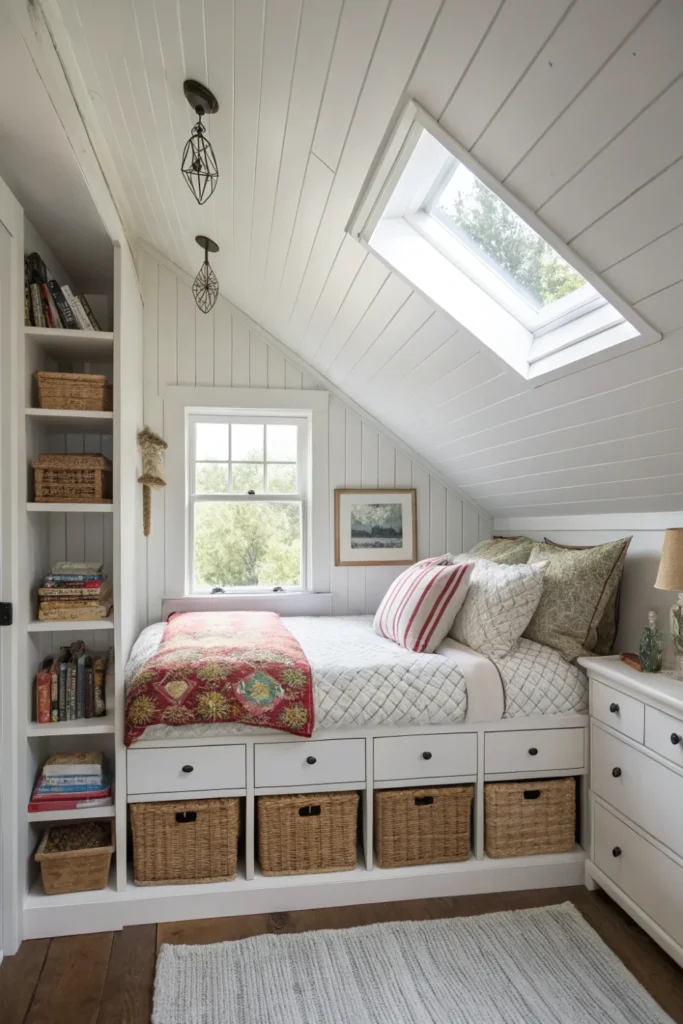
Make the most of attic or dormer bedrooms with sloped ceilings by tucking your bed in corner of room where the ceiling height is lowest. This turns an architectural challenge into a cozy design advantage.
Position the bed so the sloped ceiling doesn’t interfere with sitting up, and use the adjacent knee walls for built-in storage or shelving. Skylight windows above corner beds create magical star-gazing opportunities.
Pro Tip: Paint sloped ceilings white even if walls are colored to maximize light reflection and prevent low ceilings from feeling oppressive in your corner bed area.
11. Gallery Wall Corner Statement
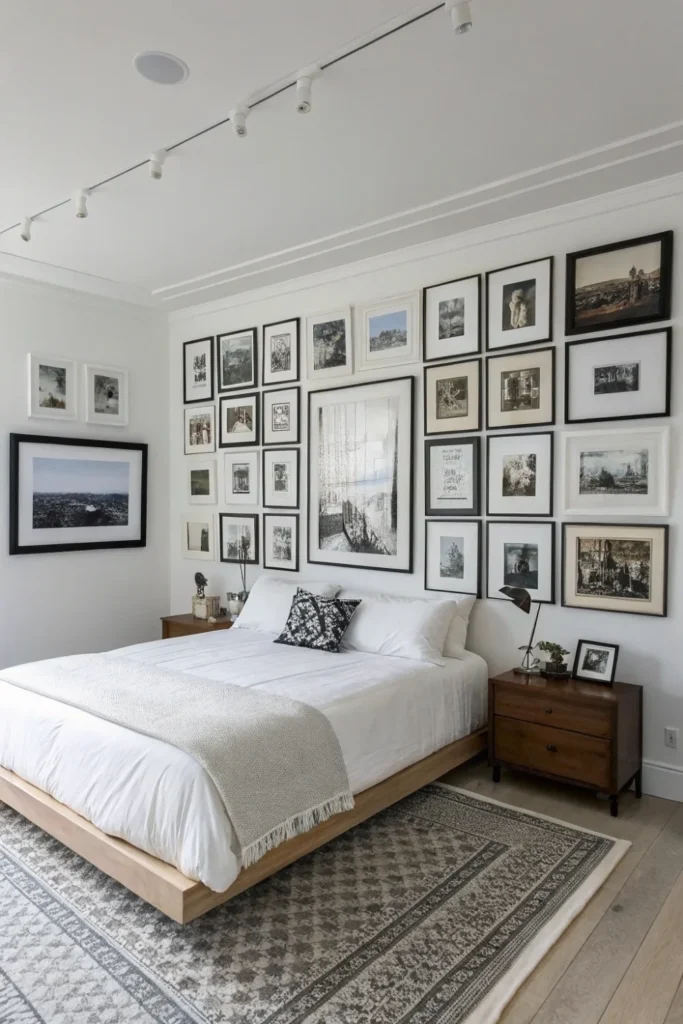
Transform the two walls above a bed in corner of room into a stunning gallery wall that makes the corner placement feel intentional and artistic. This approach turns what might seem like an odd furniture placement into a deliberate design focal point.
Create an asymmetrical or organic arrangement of artwork, photographs, and mirrors that wraps around both walls above the bed. Use frames in a cohesive color palette to unify the collection and draw the eye upward.
Pro Tip: Start your gallery wall layout on the floor first, arranging frames until you love the composition, then photograph it before hanging to use as a reference guide.
Why Bed in Corner of Room Layouts Are Worth the Investment
A bed in corner of room placement maximizes usable floor space in small bedrooms, creating room for additional furniture like desks, dressers, or seating that wouldn’t fit with traditional centered bed layouts. This space efficiency is especially valuable in urban apartments, children’s rooms, and multi-functional spaces where every square foot counts.
Corner bed positioning reduces furniture costs by eliminating the need for two nightstands—you often only need one in the accessible corner. The adjacent walls provide built-in support for wall-mounted lighting, shelves, and storage that would otherwise require freestanding furniture.
This layout creates psychological comfort and better sleep quality for many people who find the enclosed, protected feeling of a corner bed more restful than exposed center-room positions. The architectural cocoon effect can reduce anxiety and create a genuine sanctuary feeling.
Things to Consider Before Choosing Bed in Corner of Room Layouts
Your room dimensions and door placement critically impact whether a bed in corner of room layout will work well. Measure carefully to ensure adequate walking space around the bed—you need at least 24-36 inches of clearance on the accessible side for comfortable movement and bedmaking.
Consider which corner receives the best natural light and offers the most appealing views before committing to bed placement. A bed in corner of room positioned near windows can be wonderful or problematic depending on sun exposure, privacy concerns, and temperature control throughout seasons.
Think about accessibility and bedding changes when planning your bed in corner of room setup. Making the bed becomes more challenging with two sides against walls, so consider your willingness to work around this limitation or choose fitted bedding that doesn’t require tucking.
Comparison Table of Bed in Corner of Room Ideas
| Layout Style | Price Range | Space Saved | Installation Difficulty | Best For | Room Size | Flexibility |
|---|---|---|---|---|---|---|
| Reading Nook Corner | $$ | High | Low | Book lovers, small rooms | Small-Medium | Medium |
| Studio Divider Layout | $ | Very High | Low | Studio apartments | Small | High |
| Window Corner Platform | $$$ | Medium | Medium | Rooms with corner windows | Medium-Large | Low |
| Built-In Nook | $$$$ | Very High | High | Custom homes, permanence | Small-Medium | Very Low |
| Bohemian Canopy | $$ | Medium | Low | Renters, boho style | Small-Medium | Very High |
| Minimalist Japanese | $$ | High | Low | Zen seekers, minimalists | Small-Medium | High |
| Kids’ Adventure | $$-$$$ | High | Medium | Children’s bedrooms | Small-Medium | Medium |
| Teen Study Combo | $$$ | Very High | Medium | Teen rooms, small spaces | Small-Medium | Medium |
| Luxe Hotel Diagonal | $$$ | Low | Low | Large rooms, luxury feel | Medium-Large | Medium |
| Attic Sloped Ceiling | $$-$$$ | High | Medium | Attic bedrooms, dormers | Small | Low |
| Gallery Wall Statement | $-$$ | Medium | Low | Art lovers, all styles | Small-Large | High |
Frequently Asked Questions About Bed in Corner of Room Layouts
Is it bad feng shui to put a bed in the corner of a room?
Traditional feng shui prefers beds positioned diagonally across from doors with access on both sides, so a bed in corner of room placement isn’t ideal by classical standards. However, modern feng shui practitioners acknowledge that space constraints often require compromises, and you can mitigate concerns with proper headboard support and thoughtful placement.
If you must use a bed in corner of room layout, ensure the headboard is against a solid wall, keep the area clean and clutter-free, and add mirrors or artwork to create a sense of space and balance. Many people sleep perfectly well in corner beds despite feng shui guidelines, so prioritize your actual comfort and sleep quality over strict rule following.
How do you make a bed that’s positioned in a corner?
Making a bed in corner of room requires different techniques than traditional centered beds since you can’t access both sides. Start by using fitted sheets with deep pockets and elastic all around so they stay in place without tucking—this is crucial for corner beds.
Consider bedding styles that don’t require tucking like duvets with covers, layered quilts, or decorative throws that can be smoothed from the accessible side. Leave the wall-side sheets slightly loose when first making the bed so you have some fabric to grab and adjust as needed, or invest in a bed-making tool with a long handle designed for this exact situation.
What size bed works best in a corner room layout?
Twin and full-size beds work best for bed in corner of room placements because they leave adequate floor space in most bedrooms while being manageable to access and make. A queen bed can work in corners of larger rooms (at least 12×12 feet) where you can maintain proper walking clearance.
King beds rarely work well in corners unless you have a very large master bedroom, as they consume too much space and make bedding changes extremely difficult. For studio apartments and small bedrooms, stick with twin or full beds that maximize the space-saving benefits without overwhelming the room.
How far should a corner bed be from the walls?
Ideally, leave 2-3 inches of space between the bed frame and each wall in your bed in corner of room setup to prevent wall damage, allow air circulation, and make bedding changes slightly easier. This small gap keeps bedding from getting trapped and prevents paint scuffing from bed movement.
However, many people position corner beds flush against both walls to truly maximize floor space—this works fine if you use wall guards or bumpers to protect paint and choose bedding that doesn’t require wall-side tucking. For built-in bed nooks, flush positioning is standard and the bed is often actually secured to the walls.