
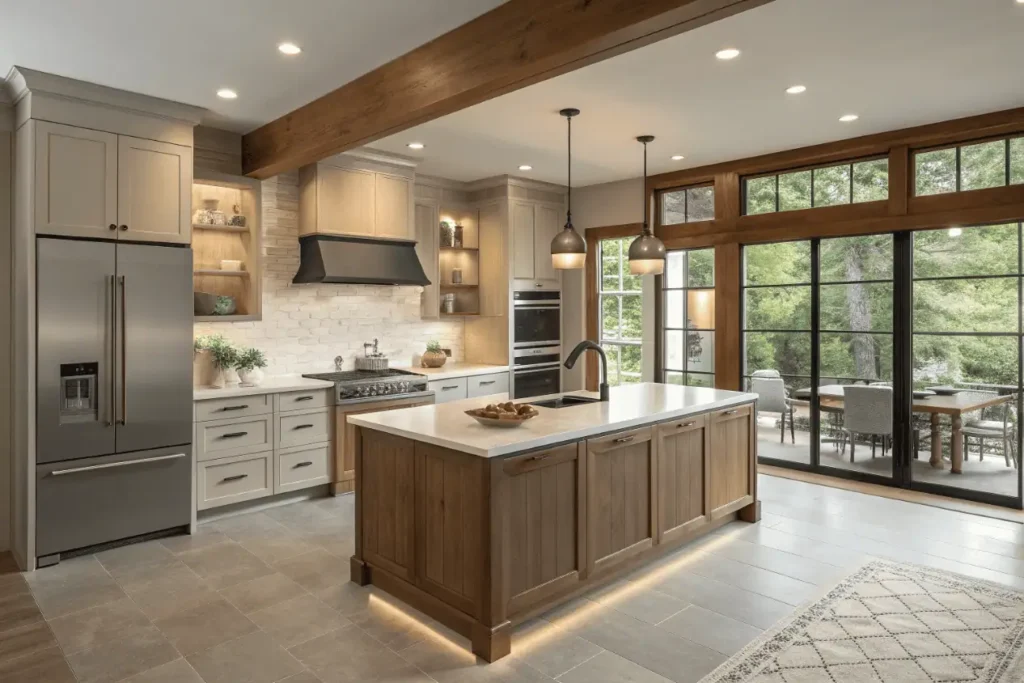
Choosing the right kitchen design plans can make or break your renovation project. A well-thought-out plan ensures functionality meets style while maximizing every square inch of your space.
The kitchen is the heart of your home, where memories are made and meals bring families together. Professional planning helps you avoid costly mistakes and creates a space that works for your lifestyle.
Whether you’re starting from scratch or updating an existing layout, comprehensive kitchen design plans guide every decision from cabinet placement to lighting fixtures. Let’s explore the best options for creating your dream kitchen.
List of 12 Best Kitchen Design Plans
1. U-Shaped Kitchen Layout Plan
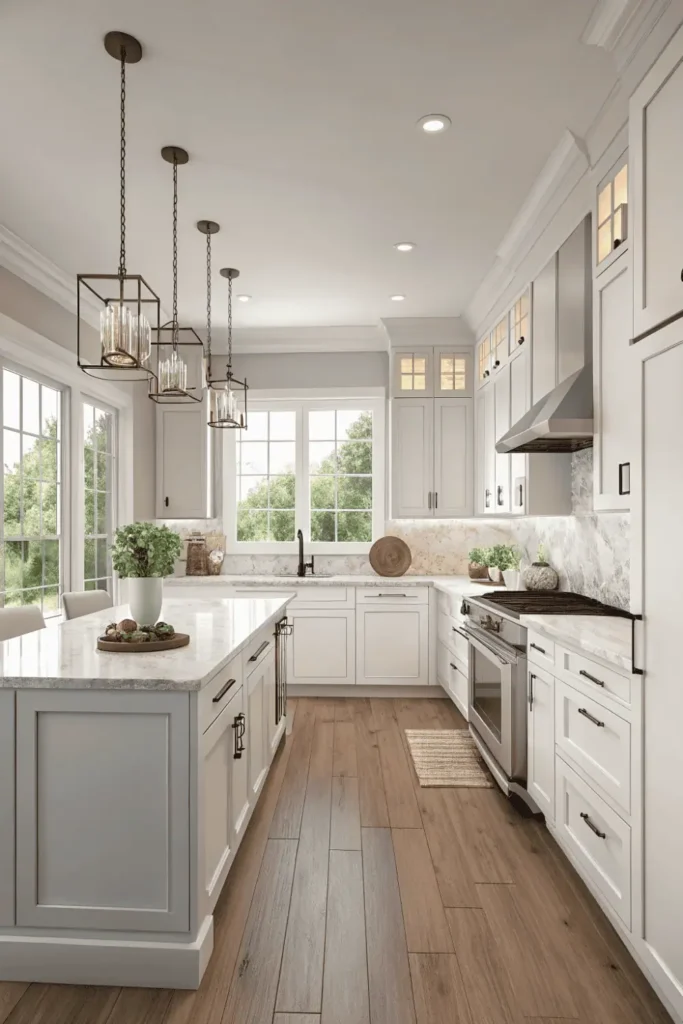
The U-shaped design maximizes counter space and storage by utilizing three walls, creating an efficient work triangle. This layout is perfect for medium to large kitchens where multiple cooks need room to work simultaneously.
The enclosed design keeps everything within arm’s reach, reducing steps between the sink, stove, and refrigerator. Kitchen design plans featuring U-shaped layouts offer excellent workflow and ample cabinetry for serious home chefs.
Pro Tip: Keep at least 4-5 feet of clearance between opposing cabinets to prevent the space from feeling cramped and ensure comfortable movement.
2. Galley Kitchen Design Blueprint
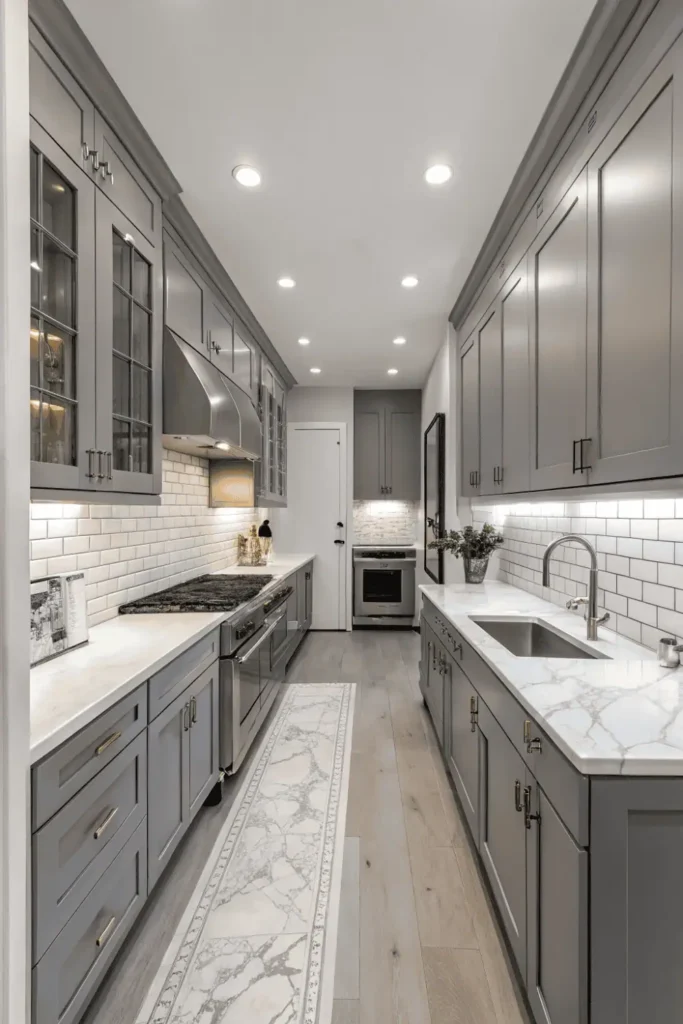
Galley kitchens feature two parallel walls that create a highly efficient corridor-style workspace. This space-saving design works brilliantly in narrow spaces and urban apartments.
The streamlined layout minimizes wasted steps and keeps all your cooking essentials within easy reach. Smart kitchen design plans for galley spaces incorporate clever storage solutions and reflective surfaces to prevent tunnel-vision effects.
Pro Tip: Install lighter colors and under-cabinet lighting to make galley kitchens feel more spacious and welcoming.
3. L-Shaped Open Concept Plan
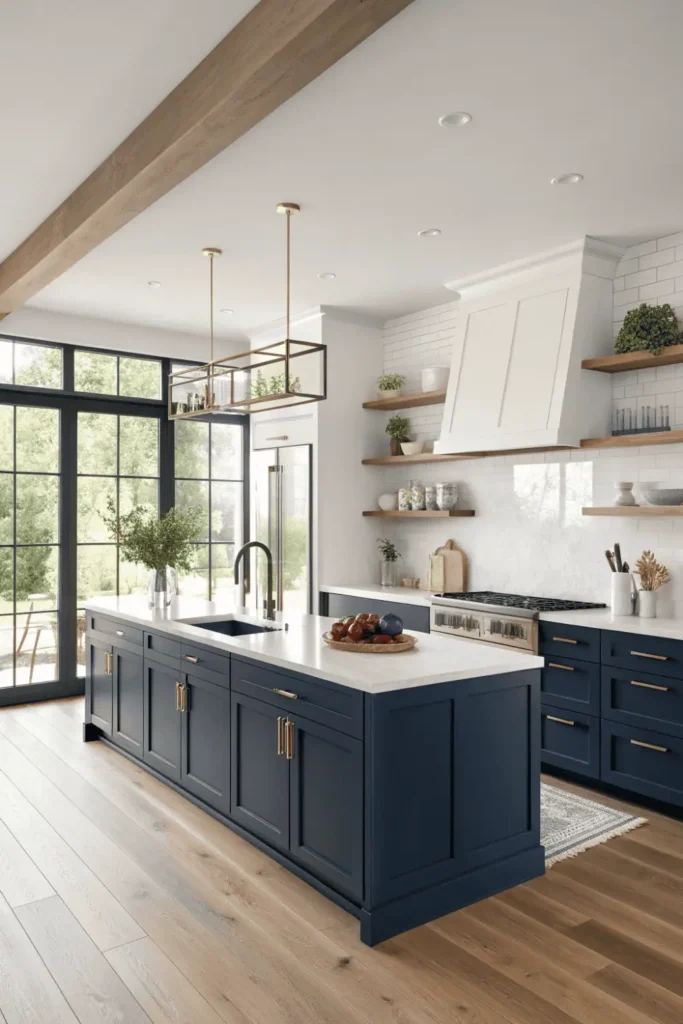
The L-shaped configuration uses two adjacent walls to create a functional corner layout that opens to dining or living areas. This versatile design accommodates islands or peninsulas for additional prep space and casual seating.
These kitchen design plans work exceptionally well for homes embracing open-floor concepts. The layout naturally defines the kitchen zone while maintaining visual connection with other living spaces.
Pro Tip: Position your sink or cooktop in the corner to maximize counter space on both sides for food prep and plating.
4. Island-Centric Design Plan
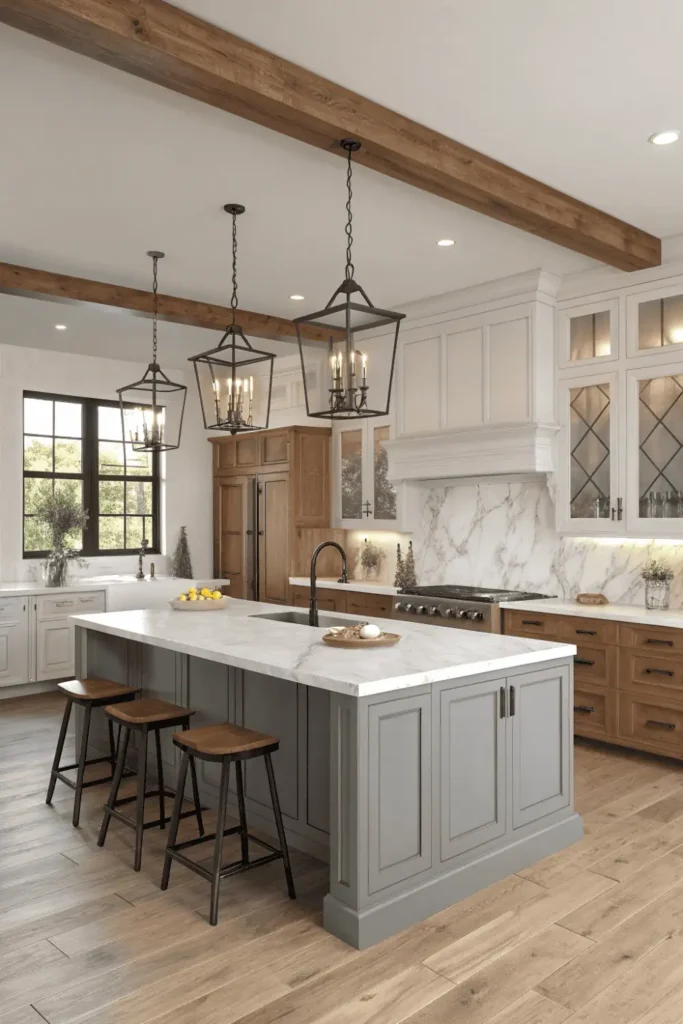
Kitchen islands serve as the focal point in these plans, providing extra storage, seating, and workspace in one central location. This design works best in spacious kitchens with at least 10×10 feet of floor space.
The island creates a natural gathering spot while improving the kitchen’s work triangle. Modern kitchen design plans often incorporate built-in appliances, wine coolers, or prep sinks directly into the island.
Pro Tip: Allow minimum 42-48 inches of clearance around all sides of the island for comfortable traffic flow and cabinet door operation.
5. Peninsula Kitchen Layout Plan
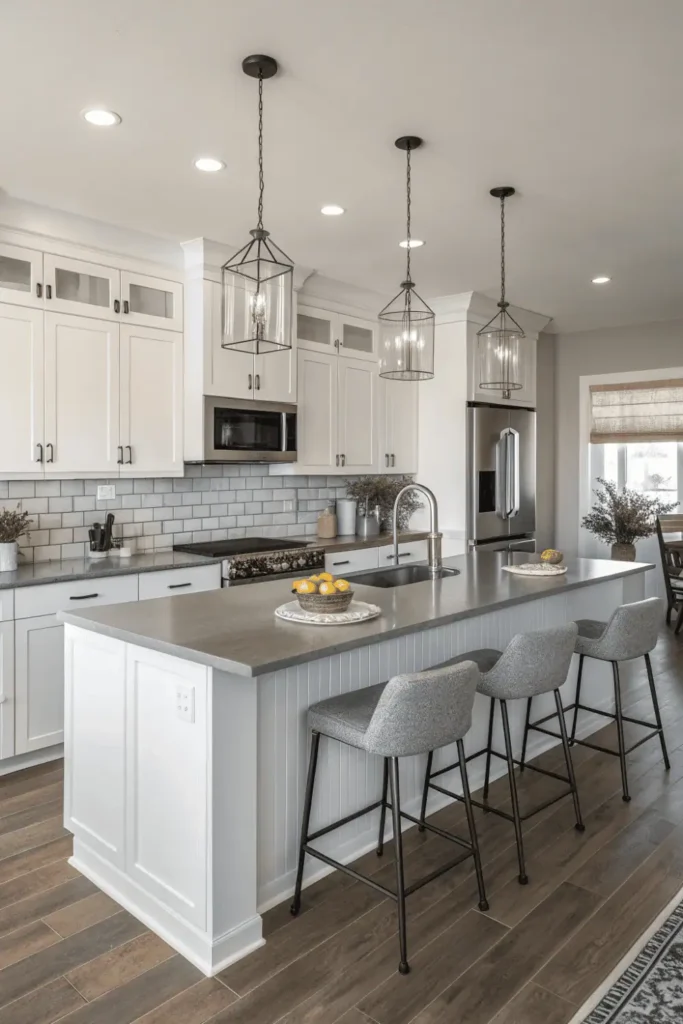
A peninsula design extends from one wall or existing cabinetry, creating a partial room divider without closing off the space entirely. This budget-friendly alternative to islands provides similar benefits with less square footage required.
The peninsula offers additional counter space and can accommodate breakfast bar seating on the open side. Smart kitchen design plans use peninsulas to improve workflow while maintaining sightlines to adjacent rooms.
Pro Tip: Install cabinets or open shelving on the outward-facing side of your peninsula for display storage or a coffee station.
6. One-Wall Compact Kitchen Plan
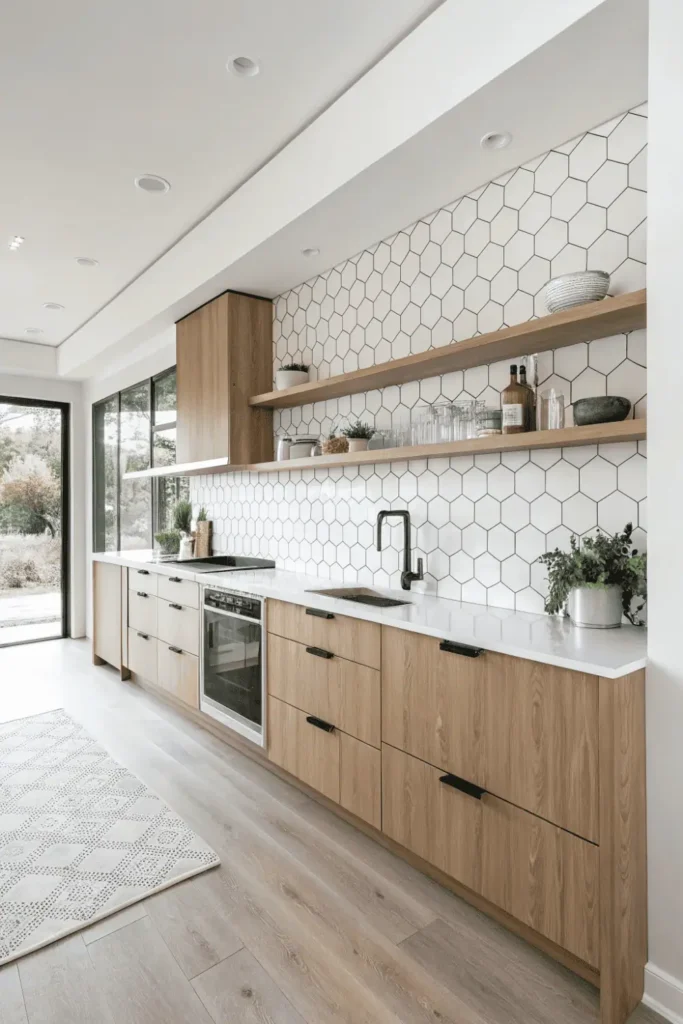
Single-wall kitchens align all appliances, cabinets, and counters along one straight wall, making them ideal for studio apartments and small homes. This ultra-efficient design minimizes construction costs while maximizing floor space.
Despite their compact nature, these kitchen design plans can be highly functional with proper organization. Vertical storage solutions and multi-functional appliances help overcome space limitations.
Pro Tip: Use tall cabinets reaching to the ceiling and incorporate pull-out organizers to maximize storage in your single-wall layout.
7. G-Shaped Kitchen Configuration Plan
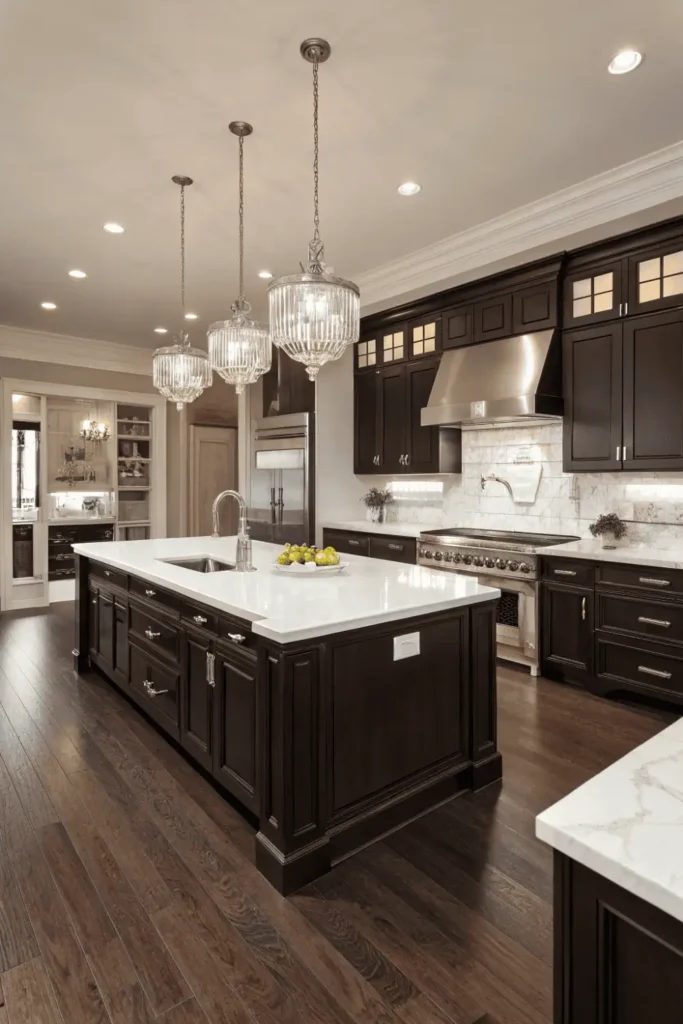
The G-shaped layout adds a fourth leg or peninsula to a U-shaped design, creating maximum counter space and storage capacity. This plan suits larger kitchens where multiple work zones are needed.
The additional peninsula provides extra seating and workspace while partially enclosing the kitchen area. These kitchen design plans excel at accommodating multiple cooks and serious culinary equipment.
Pro Tip: Ensure the G-shape doesn’t create a cramped feeling by maintaining adequate walkways of at least 42 inches throughout.
8. Zone-Based Kitchen Design Plan
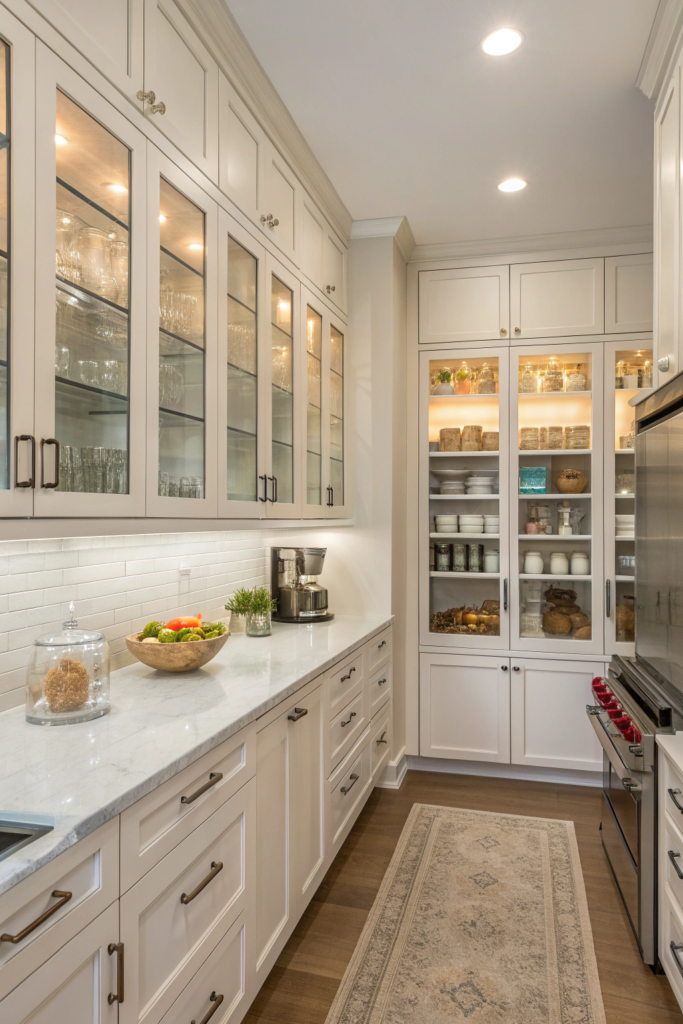
Zone planning divides your kitchen into dedicated areas for prep, cooking, cleaning, and storage based on task-specific needs. This modern approach to kitchen design plans optimizes workflow and reduces cross-traffic.
Each zone contains the tools, appliances, and storage needed for its specific function. The strategic placement improves efficiency and makes cooking more enjoyable for households with multiple cooks.
Pro Tip: Create a landing zone near the entrance for groceries and a separate coffee/beverage station away from main cooking areas.
9. Open Shelving Contemporary Plan
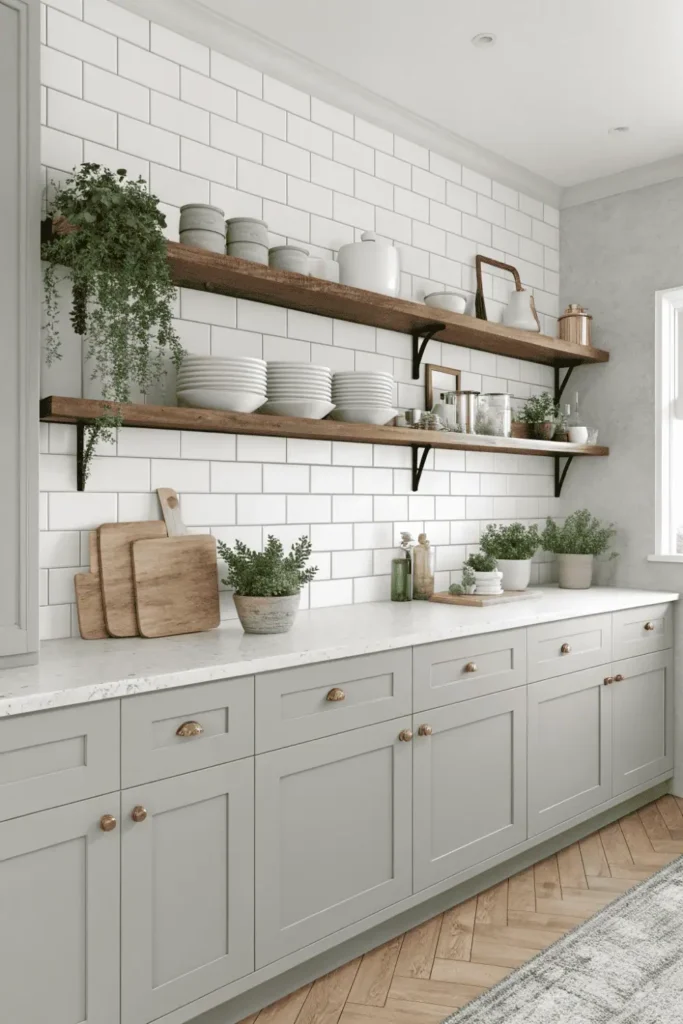
Open shelving systems replace some or all upper cabinets with floating shelves, creating an airy, accessible aesthetic. These kitchen design plans work beautifully in small spaces or for showcasing beautiful dishware.
The design forces organization and intentionality while making items easily accessible during cooking. Open shelving reduces visual weight and can make kitchens feel significantly larger.
Pro Tip: Reserve open shelving for items you use daily and keep less attractive necessities in closed lower cabinets to maintain a clean look.
10. Multi-Level Counter Height Plan
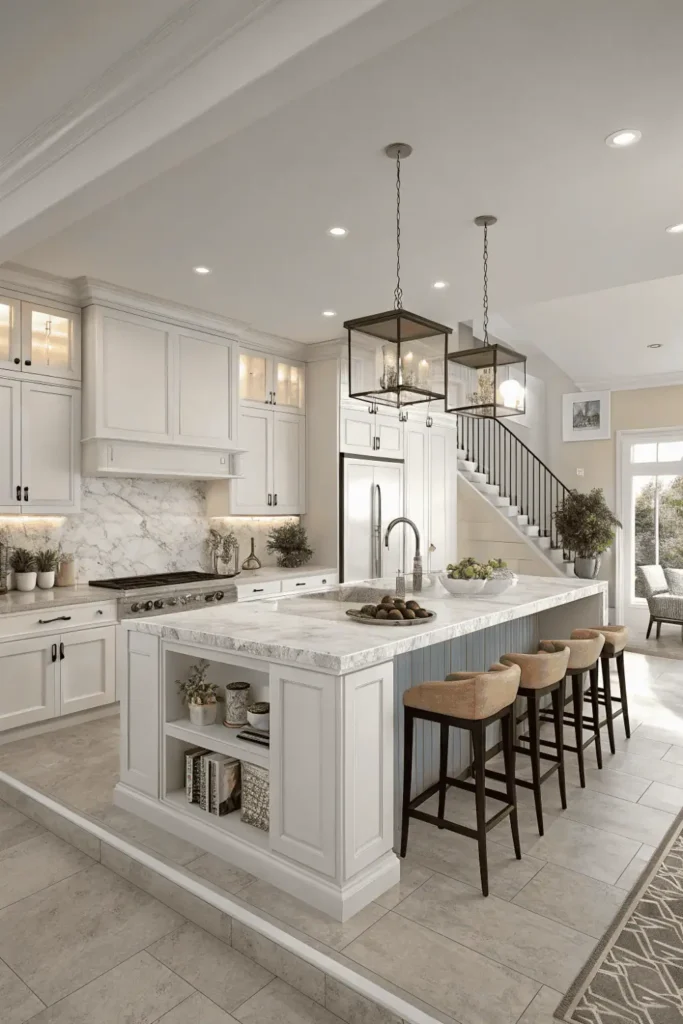
Varied counter heights accommodate different tasks and users, with standard 36-inch prep areas, 42-inch bar seating, and 30-inch baking stations. These thoughtful kitchen design plans improve ergonomics and functionality.
Lower sections work perfectly for rolling dough or accommodating seated cooks and children. Raised bars create visual separation in open concepts while providing casual dining space.
Pro Tip: Install your main sink at 36 inches but consider a prep sink at 38-40 inches to reduce back strain during long cooking sessions.
11. Pantry-Integrated Kitchen Plan
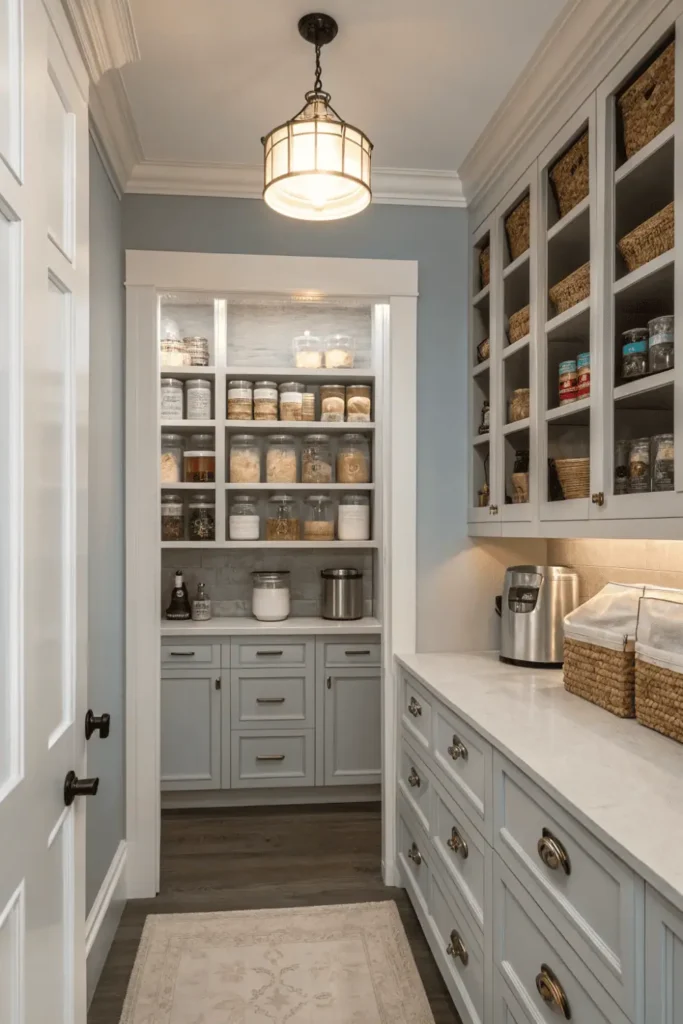
Walk-in or butler’s pantries integrated into kitchen design plans provide dedicated storage that keeps counters clutter-free. These spaces house small appliances, bulk goods, and serving pieces out of sight.
The additional storage allows the main kitchen to maintain clean lines and workspace. Pantries can include secondary sinks, coffee stations, or even extra prep areas for entertaining.
Pro Tip: Design your pantry with adjustable shelving and install electrical outlets for charging devices or plugging in small appliances.
12. Smart Technology-Enabled Kitchen Plan
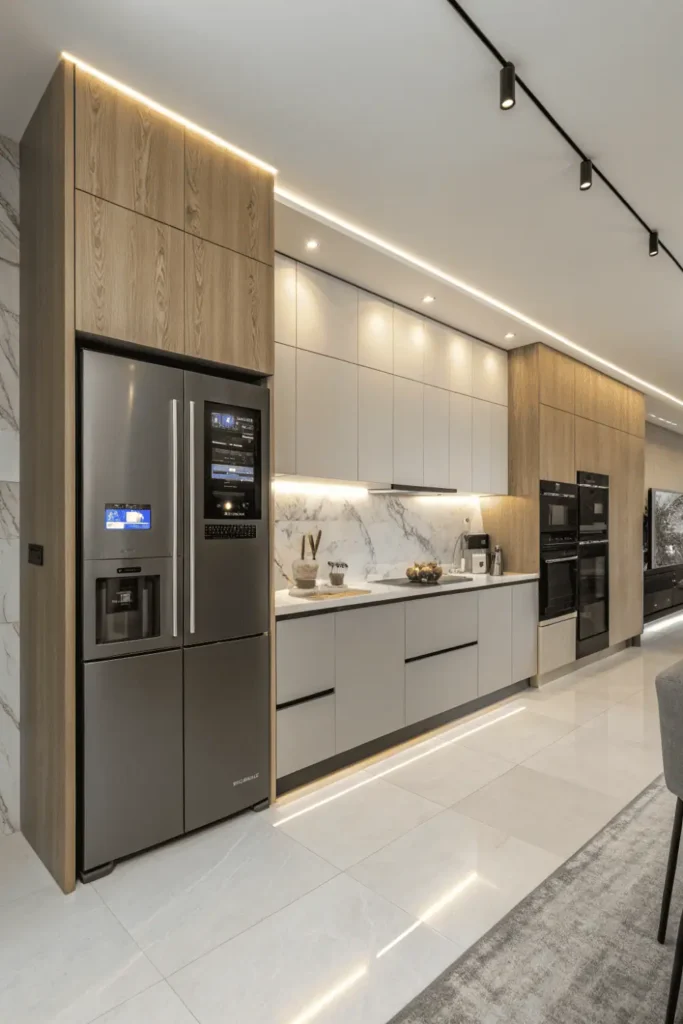
Smart kitchens incorporate technology into kitchen design plans with touchless faucets, app-controlled appliances, and integrated charging stations. These modern designs blend convenience with contemporary aesthetics.
Voice-activated controls and automated lighting create efficiency while tech-friendly outlets keep devices charged but hidden. The design anticipates future technology upgrades through flexible infrastructure.
Pro Tip: Plan for extra electrical circuits and USB outlets in your island, charging drawers, and message center areas during the design phase.
Why Kitchen Design Plans Are Worth the Investment
Professional kitchen design plans prevent costly mistakes by identifying potential issues before construction begins. A well-designed plan ensures your budget, timeline, and vision align from the start, saving thousands in change orders.
Quality kitchen design plans increase your home’s resale value by creating functional, attractive spaces that appeal to buyers. Thoughtful layouts improve daily efficiency and make cooking more enjoyable for years to come.
The investment in professional planning typically represents only 2-5% of your total renovation budget but influences 100% of the outcome. Kitchen design plans serve as your roadmap, ensuring contractors understand your vision and execute it flawlessly.
Things to Consider Before Choosing Kitchen Design Plans
Your household size, cooking habits, and entertaining frequency should drive which kitchen design plans you select. Families need different layouts than empty-nesters or urban singles, so prioritize features that match your lifestyle.
Budget constraints significantly impact which kitchen design plans are feasible for your space and financial situation. Quality plans balance aspirations with reality, incorporating wish-list items while respecting monetary limits and existing structural constraints.
Existing structural elements like load-bearing walls, plumbing locations, and electrical service influence your kitchen design plans flexibility. Professional assessments reveal what’s possible before you fall in love with layouts that aren’t structurally or financially viable.
Comparison Table of Kitchen Design Plans
| Layout Type | Price Range | Durability | Maintenance | Best For | Lead Time |
| U-Shaped | $25K-$65K | High | Medium | Medium-Large Kitchens | 8-12 weeks |
| Galley | $15K-$40K | High | Low | Small Spaces, Apartments | 6-8 weeks |
| L-Shaped | $20K-$55K | High | Medium | Open Concepts | 8-10 weeks |
| Island-Centric | $35K-$85K | High | Medium-High | Large Kitchens | 10-14 weeks |
| Peninsula | $22K-$50K | High | Medium | Medium Kitchens | 8-10 weeks |
| One-Wall | $12K-$35K | Medium-High | Low | Studios, Small Homes | 4-6 weeks |
| G-Shaped | $30K-$75K | High | High | Large, Multi-Cook Kitchens | 10-12 weeks |
| Zone-Based | $28K-$70K | High | Medium | Professional Cooks | 10-14 weeks |
| Work Triangle | $18K-$50K | High | Medium | All Kitchen Sizes | 7-10 weeks |
| Open Shelving | $15K-$45K | Medium | High | Modern Minimalists | 6-9 weeks |
| Multi-Level | $32K-$78K | High | Medium | Accessibility Needs | 10-12 weeks |
| Pantry-Integrated | $28K-$65K | High | Low-Medium | Serious Cooks | 9-12 weeks |
| Smart Technology | $40K-$95K | High | Medium | Tech Enthusiasts | 12-16 weeks |
Frequently Asked Questions About Kitchen Design Plans
How much do professional kitchen design plans cost?
Professional kitchen design plans typically range from $1,500 to $5,000 depending on complexity and your location. Some contractors include basic design services with their installation packages, while independent designers charge hourly rates of $75-$200.
Many home improvement stores offer free or low-cost kitchen design plans when you purchase cabinets through them. However, these plans may be limited in scope compared to working with certified kitchen designers who focus exclusively on optimizing your space.
What’s included in complete kitchen design plans?
Comprehensive kitchen design plans include detailed floor plans showing cabinet locations, appliance placement, and exact dimensions. The package typically contains elevation drawings, lighting plans, plumbing schematics, and electrical layouts that contractors need for accurate installation.
Quality plans also specify materials, finishes, hardware selections, and sometimes 3D renderings to help you visualize the finished space. Professional kitchen design plans include detailed cut lists for cabinets and countertops, minimizing waste and ensuring accurate ordering.
Can I create my own kitchen design plans?
You can absolutely create DIY kitchen design plans using free or paid software, planning apps, and even graph paper. Many homeowners successfully plan basic layouts themselves, especially for straightforward renovations without major structural changes.
However, complex kitchen design plans involving structural modifications, moved plumbing, or custom cabinetry benefit from professional expertise. Designers understand building codes, optimal dimensions, and potential pitfalls that aren’t obvious to novices, potentially saving you from expensive mistakes.
How long does it take to finalize kitchen design plans?
Simple kitchen design plans for basic layouts can be completed in 1-2 weeks when working with professionals. More complex designs requiring custom solutions, multiple revisions, or coordination with architects may take 4-8 weeks to finalize completely.
The timeline for kitchen design plans extends when you’re making decisions about materials, finishes, and fixtures that require showroom visits and sample orders. Building in adequate planning time prevents rushed decisions you’ll regret and ensures your completed kitchen matches your vision perfectly.