
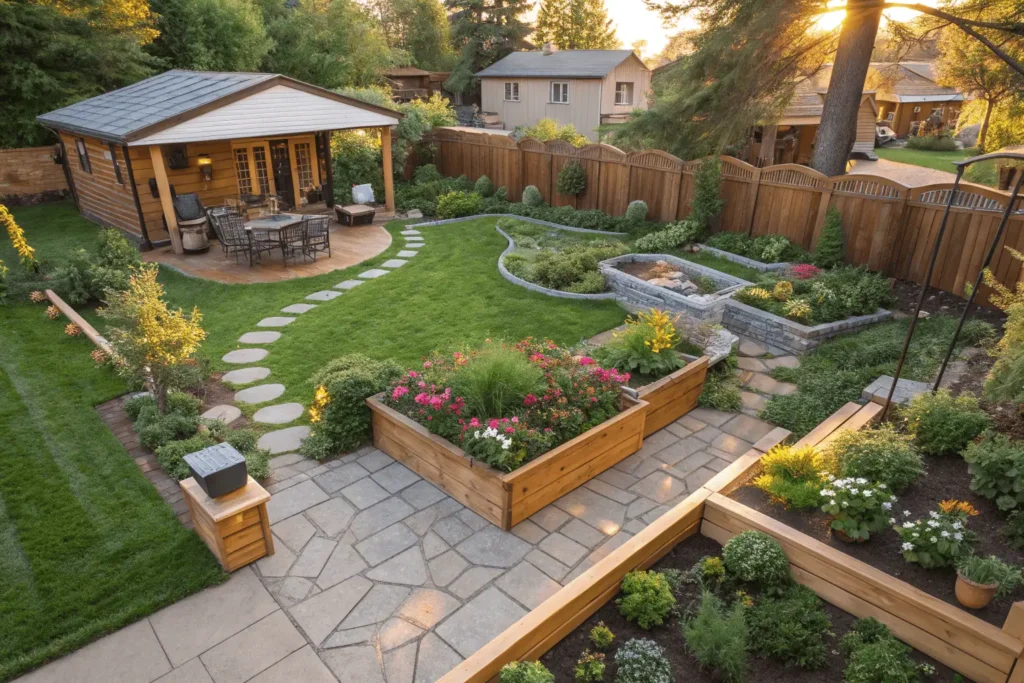
Creating a beautiful home garden design transforms your outdoor space into a personal oasis where you can relax, entertain, and connect with nature. The right design approach turns even the smallest yard into something extraordinary.
Every garden tells a story through its layout, plant selection, and decorative elements. From modern minimalist styles to cottage garden charm, countless design possibilities await.
This comprehensive guide explores the best home garden design strategies to help you create an outdoor sanctuary that reflects your personal style and enhances your property value. Let’s discover how to bring your garden vision to life.
List of 15 Best Home Garden Design Ideas
1. Raised Garden Beds for Structure and Accessibility
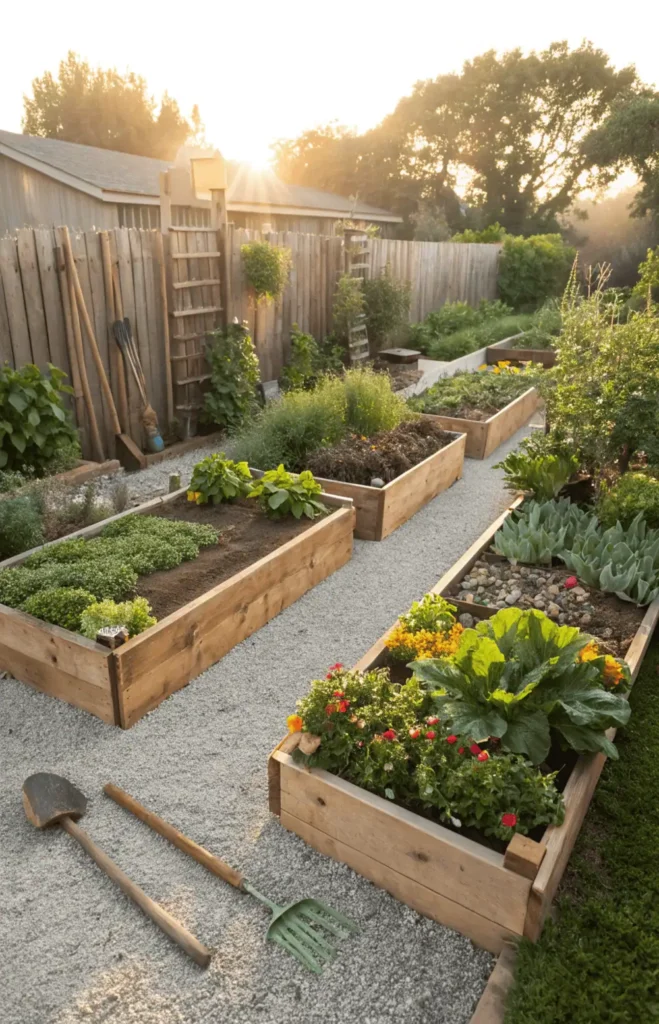
Raised garden beds add architectural interest to your home garden design while solving drainage and soil quality issues. These elevated planting areas create defined growing spaces that are easier to maintain and harvest.
The waist-high accessibility reduces back strain during planting and weeding sessions. You can fill raised beds with premium soil customized for specific plants, ensuring optimal growing conditions.
Raised beds work beautifully in both modern and traditional gardens, constructed from wood, stone, metal, or composite materials. They’re perfect for vegetable gardens, herb gardens, or ornamental flower displays.
Pro Tip: Build raised beds at least 12 inches deep for most vegetables and 18-24 inches deep for root crops like carrots and potatoes to ensure adequate root development.
2. Cottage Garden Style with Mixed Plantings

Cottage garden designs create romantic, abundant landscapes filled with colorful perennials, climbing roses, and fragrant herbs. This informal style embraces controlled chaos where plants spill over pathways and bloom in layers.
The beauty of cottage gardens lies in their mix of edibles and ornamentals, combining vegetables, herbs, and flowers in charming arrangements. This home garden design approach maximizes biodiversity and creates four-season interest.
Pro Tip: Plant in odd-numbered groups (3, 5, or 7 plants) for the most natural, visually pleasing cottage garden effect, and choose plants with staggered bloom times for continuous color.
3. Modern Minimalist Garden with Clean Lines

Modern minimalist gardens feature geometric layouts, limited plant palettes, and architectural elements that create sophisticated outdoor spaces. This home garden design style emphasizes quality over quantity with carefully chosen statement plants.
Clean lines dominate through rectangular planters, linear pathways, and structured hedges that provide year-round interest. Hardscaping elements like concrete, steel, and stone create contrast with strategic plantings.
The color palette remains restrained, often using whites, grays, and greens with occasional bold accent colors. This low-maintenance approach suits contemporary homes and busy lifestyles perfectly.
Pro Tip: Incorporate ornamental grasses like fountain grass or blue fescue for movement and texture without disrupting the minimalist aesthetic—they provide visual interest with minimal maintenance requirements.
4. Edible Landscape Combining Beauty and Function

Edible landscaping integrates fruits, vegetables, and herbs into ornamental home garden design schemes. This practical approach proves that productive gardens can be just as beautiful as purely decorative ones.
Colorful chard, sculptural artichokes, and fragrant herbs serve as ornamental specimens while providing fresh ingredients. Fruit trees create shade and structure while berry bushes form attractive hedges.
This design philosophy reduces lawn areas, increases self-sufficiency, and creates sustainable, productive outdoor spaces that feed both body and soul.
Pro Tip: Plant edible flowers like nasturtiums, pansies, and calendulas throughout your edible garden to attract pollinators, add color, and provide additional harvest options for salads and garnishes.
5. Japanese-Inspired Zen Garden

Japanese garden designs create peaceful retreats using natural elements, careful balance, and symbolic plantings. This contemplative home garden design style emphasizes harmony between rocks, water, plants, and open space.
Key elements include raked gravel or sand, stepping stones, water features, and sculptural plants like Japanese maples and bamboo. The design encourages mindfulness and stress reduction through its serene atmosphere.
Pro Tip: Embrace negative space in your Zen garden—the empty areas are as important as planted sections, representing simplicity and providing visual rest that’s essential to the design’s calming effect.
6. Vertical Gardens for Small Space Solutions

Vertical gardens maximize growing space in compact yards by utilizing walls, fences, and vertical structures. This innovative home garden design technique transforms bare walls into living art while increasing planting capacity.
Wall-mounted planters, trellises, and living walls support climbing vegetables, herbs, and ornamental vines. The vertical approach improves air circulation, reduces pest problems, and makes harvesting easier.
Vertical gardens work beautifully on balconies, patios, and small urban yards where horizontal space is limited. They create privacy screens while adding lush greenery to your outdoor environment.
Pro Tip: Install a drip irrigation system for vertical gardens to ensure even watering—top sections often dry out faster than bottom sections, and hand-watering tall structures can be challenging and time-consuming.
Related: Beginner-Friendly Home Garden Ideas for a Beautiful Space
7. Mediterranean Garden with Drought-Tolerant Plants

Mediterranean-style gardens feature drought-resistant plants, gravel mulches, and terra cotta accents perfect for warm, dry climates. This water-wise home garden design approach creates stunning landscapes with minimal irrigation.
Plant palette includes lavender, rosemary, olive trees, and succulents that thrive in full sun with limited water. Stone pathways, rustic pergolas, and wrought iron elements add authentic Mediterranean character.
Pro Tip: Group plants by water needs in Mediterranean gardens, placing the most drought-tolerant specimens farthest from irrigation sources and reserving regular watering for vegetables and more tender plants near the house.
8. Pollinator Garden Supporting Beneficial Insects
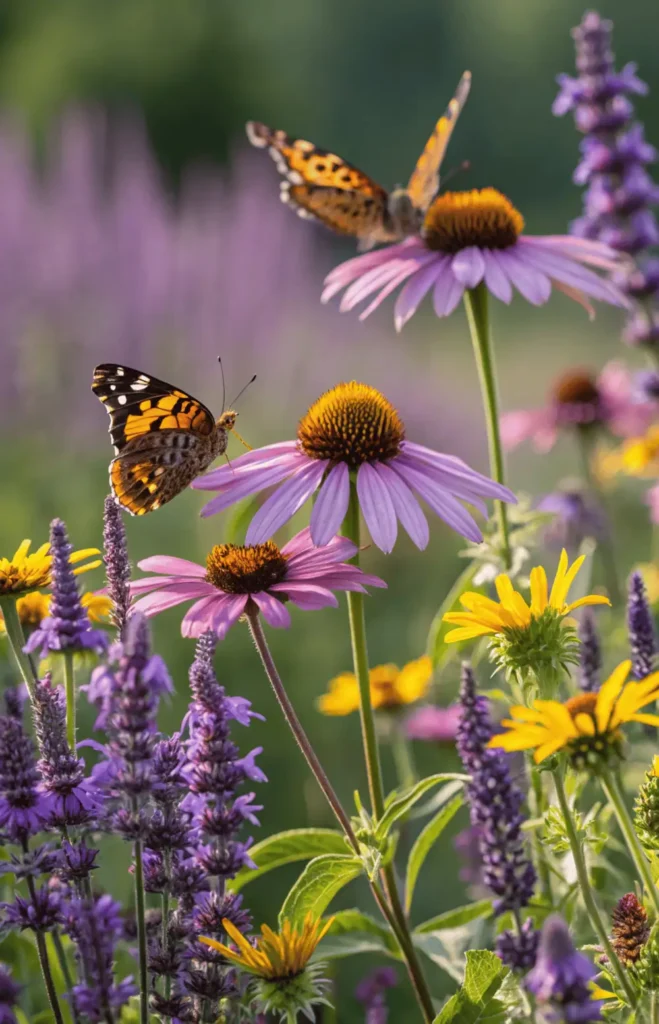
Pollinator gardens attract bees, butterflies, and hummingbirds through strategic plant selections that provide nectar, pollen, and habitat. This ecological home garden design supports declining pollinator populations while creating vibrant, dynamic landscapes.
Native plants work best, offering continuous blooms from spring through fall that sustain pollinators throughout their life cycles. Include host plants for butterfly larvae and nesting sites for solitary bees.
Avoid pesticides entirely in pollinator gardens, as chemical treatments harm beneficial insects. The resulting biodiversity creates naturally balanced ecosystems with fewer pest problems.
Pro Tip: Plant in large drifts of the same species rather than scattering individual plants—pollinators are more attracted to substantial blocks of color and can feed more efficiently when similar flowers are grouped together.
9. Formal Garden with Symmetrical Layout

Formal gardens feature geometric patterns, symmetrical plantings, and manicured hedges that create elegant, ordered landscapes. This classical home garden design style evokes European estates with its precision and structure.
Boxwood parterres, topiary specimens, and centered focal points like fountains or statuary establish strong design bones. Gravel or paved pathways divide the garden into orderly sections with mirror-image plantings.
This style requires regular maintenance to preserve crisp edges and shapes, but rewards with timeless beauty and sophistication that elevates property appeal.
Pro Tip: Start with one small formal area like a parterre herb garden before committing to a full formal garden design—this allows you to assess the maintenance commitment and develop pruning skills gradually.
10. Water Features Adding Soothing Sounds

Water features introduce movement, sound, and reflective beauty to home garden design schemes. From simple fountains to elaborate ponds, water elements create focal points that attract wildlife and promote relaxation.
Recirculating fountains, bubbling urns, and small streams work in gardens of any size without excessive water consumption. The soothing sounds mask neighborhood noise while creating peaceful atmospheres.Consider pond ecosystems with aquatic plants and fish that establish balanced, self-maintaining environments requiring minimal intervention once established.
Pro Tip: Position water features where you’ll actually hear them—near patios, bedroom windows, or along frequently used pathways—rather than hiding them in distant corners where their soothing sounds go unnoticed.
11. Shade Garden for Low-Light Areas

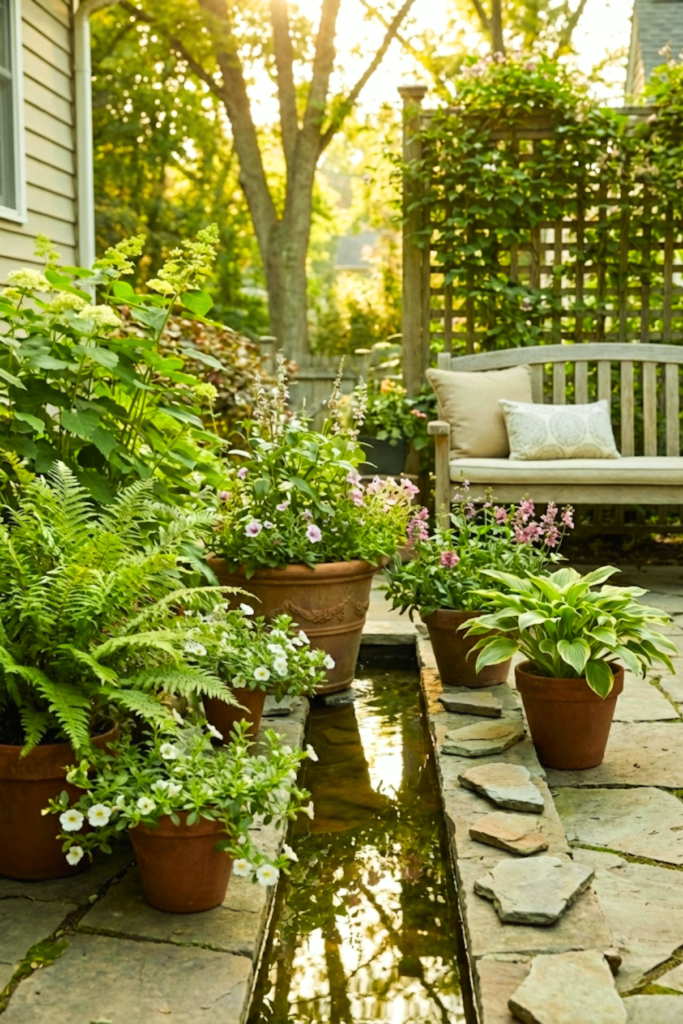
Shade gardens transform challenging low-light areas into lush, peaceful retreats using shade-loving plants that thrive without direct sun. This specialized home garden design approach proves that shady spots can be garden highlights rather than problem areas.
Hostas, ferns, astilbes, and bleeding hearts create textured layers in varying shades of green with seasonal color pops. Focus on foliage interest through different leaf shapes, sizes, and variegation patterns.
Shade gardens require less watering than sunny areas and generally need less maintenance once established.
Pro Tip: Lighten dark areas by painting nearby fences white or cream, adding light-colored mulch, and installing outdoor lighting to create an inviting atmosphere even in low-light conditions.
12. Container Gardens for Flexibility and Mobility

Container gardens offer ultimate flexibility in home garden design, allowing you to rearrange, refresh, and relocate plants as needed. This approach works perfectly for renters, patios, and anyone wanting changeable garden layouts.
Varied pot sizes, materials, and heights create visual interest while accommodating different plant types from vegetables to ornamentals. Containers enable growing plants with specific soil needs or controlling invasive species.
The mobility factor means you can chase sunlight, protect tender plants from frost, and completely redesign your garden layout seasonally.
Pro Tip: Use high-quality potting mix specifically formulated for containers rather than garden soil—container mixes provide better drainage and aeration essential for healthy root development in confined spaces.
13. Wildlife Habitat Garden Supporting Local Ecosystems
Wildlife gardens create complete ecosystems that support birds, butterflies, beneficial insects, and small mammals through thoughtful home garden design. This approach goes beyond pollinator gardens to provide year-round food, water, and shelter.
Include berry-producing shrubs, seed heads for winter bird food, brush piles, and varied habitat layers from ground covers to canopy trees. Native plants form the foundation, providing familiar food sources for local wildlife.
Chemical-free maintenance keeps the habitat safe while dense plantings offer protective cover from predators. The result is a living, dynamic garden filled with movement and natural activity.
Pro Tip: Leave fallen leaves and plant stems standing through winter rather than tidying everything—they provide essential overwintering habitat for beneficial insects that will control pests in your garden next season.
14. Four-Season Garden with Year-Round Interest

Four-season gardens maintain visual appeal throughout the year by incorporating plants with different seasonal highlights. This strategic home garden design ensures your garden never looks bare or boring, regardless of the season.
Spring bulbs, summer perennials, fall foliage, and winter evergreens create a succession of interest. Include plants with attractive bark, persistent berries, or architectural forms that shine when herbaceous plants die back.
Hardscaping elements like sculptures, benches, and structures provide permanent focal points that anchor the design through seasonal changes.
Pro Tip: Choose at least one plant for each season that performs in or near your main viewing window so you’ll have something beautiful to observe year-round from inside your home during inclement weather.
15. Sensory Garden Engaging All Five Senses

Sensory gardens engage sight, sound, smell, touch, and taste through deliberate plant and feature selections. This therapeutic home garden design approach creates deeply immersive outdoor experiences that promote wellness and mindfulness.
Include fragrant flowers and herbs, textured foliage, edible plants, wind chimes, and water features that activate different senses. Soft lamb’s ear leaves contrast with spiky ornamental grasses while aromatic lavender mingles with fresh mint scents.
Sensory gardens benefit everyone but particularly support children, elderly individuals, and those with special needs who gain therapeutic value from multi-sensory experiences.
Pro Tip: Create a sensory path with different textured surfaces like smooth river rocks, wood chips, and soft moss that provides tactile stimulation and encourages visitors to slow down and engage mindfully with the garden.
Why Home Garden Design Ideas Are Worth the Investment
Quality home garden design significantly increases property value, with well-landscaped homes selling for 5-15% more than comparable properties with neglected yards. Professional designs create curb appeal that attracts buyers and sets your property apart in competitive markets.
Thoughtful home garden design extends your living space outdoors, creating functional areas for relaxation, entertainment, and family activities. These outdoor rooms provide valuable square footage without expensive home additions, effectively increasing your usable space at a fraction of indoor renovation costs.
Strategic home garden design delivers long-term environmental and financial benefits through reduced energy costs, lower water bills, and decreased maintenance expenses. Native plantings require less water and care while improving air quality, supporting wildlife, and creating sustainable landscapes that benefit both homeowners and communities.
Things to Consider Before Choosing Home Garden Design
Assess your home garden design goals honestly before starting any project, considering available time for maintenance, physical limitations, and budget constraints. A high-maintenance formal garden may look stunning but becomes frustrating if you lack time for weekly pruning and deadheading required to maintain its appearance.
Evaluate your site conditions thoroughly when planning home garden design, noting sun exposure, soil type, drainage patterns, and existing vegetation. Fighting your site’s natural conditions proves expensive and frustrating, while working with them creates thriving, low-maintenance gardens that look effortlessly beautiful.
Consider long-term sustainability in your home garden design by choosing native plants, water-efficient irrigation, and organic maintenance practices. Initial investments in quality soil, proper plant selection, and efficient systems pay dividends through reduced water bills, fewer plant replacements, and healthier landscapes requiring minimal chemical inputs.
Comparison Table of Home Garden Design Styles
| Design Style | Cost Range | Maintenance Level | Water Needs | Best Climate | Installation Time | Design Lifespan |
| Raised Garden Beds | $$ | Medium | Medium | All climates | 1-2 weeks | 10-15 years |
| Cottage Garden | $ – $$ | High | High | Temperate, cool | 2-4 weeks | Ongoing/evolving |
| Modern Minimalist | $$$ | Low | Low | All climates | 2-3 weeks | 15-20 years |
| Edible Landscape | $$ | High | Medium-High | All climates | 2-4 weeks | 5-10 years |
| Japanese Zen Garden | $$$ | Medium | Low | All climates | 3-4 weeks | 20+ years |
| Vertical Garden | $$ | Medium | Medium | All climates | 1-2 weeks | 5-10 years |
| Mediterranean Garden | $$ | Low | Very Low | Warm, dry | 2-3 weeks | 15-20 years |
| Pollinator Garden | $ – $$ | Low-Medium | Medium | All climates | 1-2 weeks | Ongoing/evolving |
| Formal Garden | $$$ – $$$$ | Very High | Medium | Temperate | 4-6 weeks | 20+ years |
| Water Features | $$ – $$$$ | Medium | Recirculating | All climates | 2-6 weeks | 15-20 years |
| Shade Garden | $$ | Low | Low-Medium | All climates | 1-2 weeks | Ongoing/evolving |
| Container Garden | $ – $$ | Medium | High | All climates | Days-1 week | 3-5 years |
| Wildlife Habitat | $ – $$ | Low | Medium | All climates | 2-3 weeks | Ongoing/evolving |
| Four-Season Garden | $$ – $$$ | Medium | Medium | Cold climates | 3-4 weeks | Ongoing/evolving |
| Sensory Garden | $$ – $$$ | Medium | Medium | All climates | 2-3 weeks | 10-15 years |
Frequently Asked Questions About Home Garden Design
What is the best home garden design for beginners?
Container gardens and raised bed designs work best for beginners because they simplify soil management, reduce weeding, and allow you to start small. These home garden design approaches let you control growing conditions precisely while limiting the physical demands of traditional in-ground gardening.
Start with just 3-5 large containers or a single 4×8 foot raised bed to build confidence and skills without becoming overwhelmed. Focus on easy-care plants like herbs, lettuce, and cherry tomatoes that provide quick rewards and forgive minor mistakes.
As your experience grows, you can expand your home garden design gradually by adding more containers or beds without the pressure of maintaining a large traditional garden from day one.
How much does professional home garden design cost?
Professional home garden design services typically cost $1,500-$5,000 for design plans alone, depending on property size and project complexity. Full design-build services including installation range from $5,000-$50,000+ based on materials, plantings, and hardscaping elements selected.
Many designers offer tiered services, from basic consultation ($200-$500) to complete master plans with plant lists and phased implementation strategies. This flexibility allows homeowners to invest in professional expertise while completing installation themselves to save money.
Consider professional design for challenging sites, major renovations, or when selling your home soon—the investment often returns 5-10 times its cost through increased property value and reduced costly mistakes in plant selection and placement.
Can I create a beautiful home garden design on a tight budget?
Absolutely! Budget-friendly home garden design succeeds through strategic planning, DIY labor, and smart plant choices rather than expensive materials and professional installation. Start with free or low-cost plants by dividing perennials from friends, growing from seeds, or shopping end-of-season sales.
Focus your budget on soil improvement and a few key focal plants while filling remaining spaces with inexpensive groundcovers and fast-growing annuals. Use found materials like reclaimed wood, river stones, and repurposed containers to add character without significant expense.
Implement your home garden design in phases over several seasons, allowing each section to establish before expanding—this approach spreads costs over time while giving you flexibility to adjust plans based on how early sections perform.
How do I choose the right home garden design style for my property?
Match your home garden design style to your home’s architectural character for cohesive curb appeal that enhances rather than conflicts with existing structures. Modern homes pair beautifully with minimalist or Mediterranean gardens, while traditional architecture suits cottage, formal, or four-season designs best.
Consider your climate and existing site conditions when selecting design styles—fighting natural conditions through constant inputs proves frustrating and expensive. Choose home garden design approaches that work with your rainfall patterns, sun exposure, and native ecosystem for sustainable, thriving landscapes.
Evaluate your lifestyle honestly, including available maintenance time, physical abilities, and gardening goals before committing to specific styles. A busy professional may love cottage garden aesthetics but should consider lower-maintenance modern or native plant designs that deliver beauty without demanding weekly attention.