
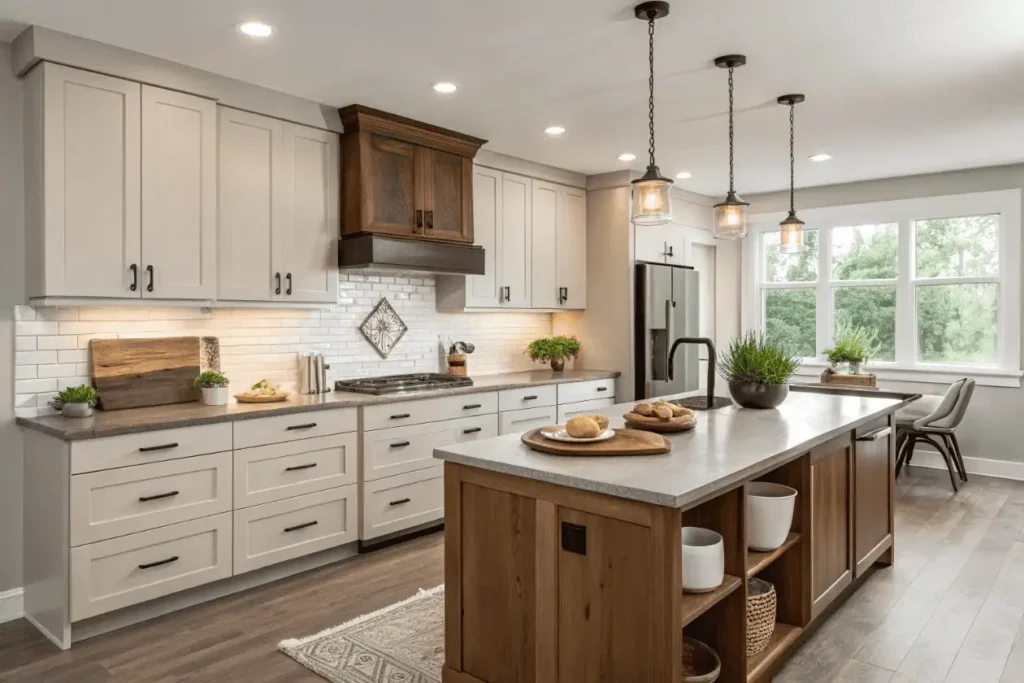
A kitchen remodel is one of the most impactful home improvement projects you can undertake, transforming your cooking space into a functional, beautiful heart of your home. Whether you’re dealing with outdated cabinets, inefficient layouts, or simply craving a fresh aesthetic, the right renovation approach makes all the difference.
The process involves careful planning, smart budgeting, and strategic decision-making about everything from appliances to flooring. From minor cosmetic updates to complete gut renovations, each kitchen remodel option offers unique benefits and challenges.
Understanding your priorities, whether it’s increasing home value, improving workflow, or creating a stunning entertainment space, helps you make informed choices. This comprehensive guide explores proven kitchen remodel strategies that deliver results you’ll love for years to come.
List of 13 Best Kitchen Remodel Approaches
1. Cabinet Refacing for Budget-Friendly Transformation
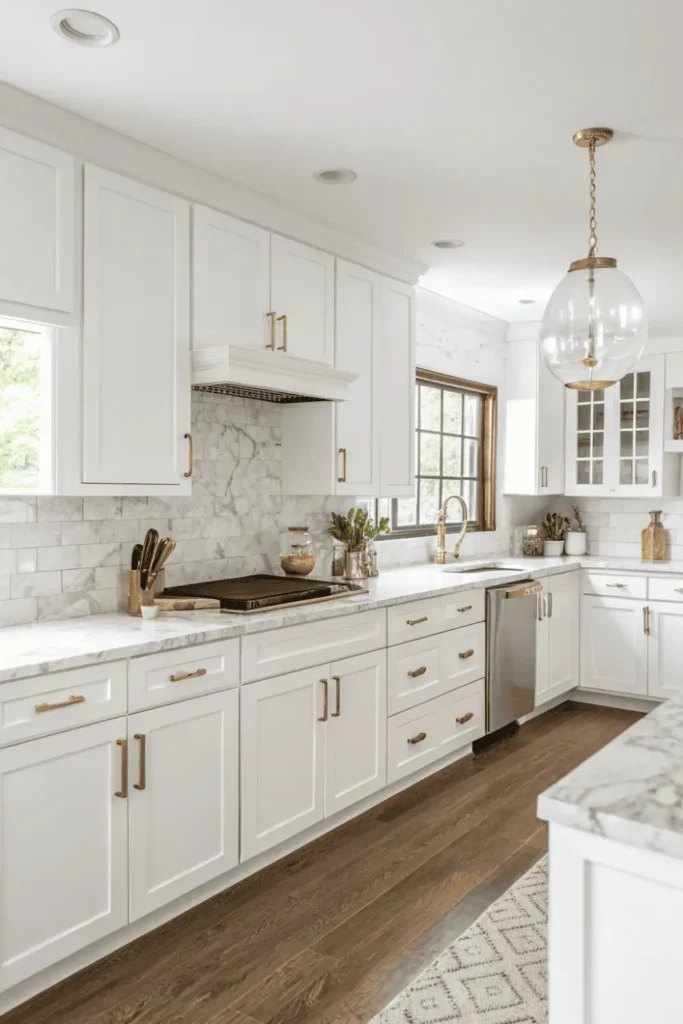
Cabinet refacing dramatically changes your kitchen’s appearance at a fraction of the cost of a full replacement. This approach keeps your existing cabinet boxes while replacing doors, drawer fronts, and hardware with fresh materials.
You’ll save 30-50% compared to new cabinets while achieving a completely updated look. The process typically takes just 3-5 days, minimizing disruption to your daily routine.
Pro Tip: Choose timeless door styles like shaker or flat-panel rather than trendy designs to ensure your kitchen remodel stays current for decades.
2. Open Concept Layout by Removing Non-Load-Bearing Walls
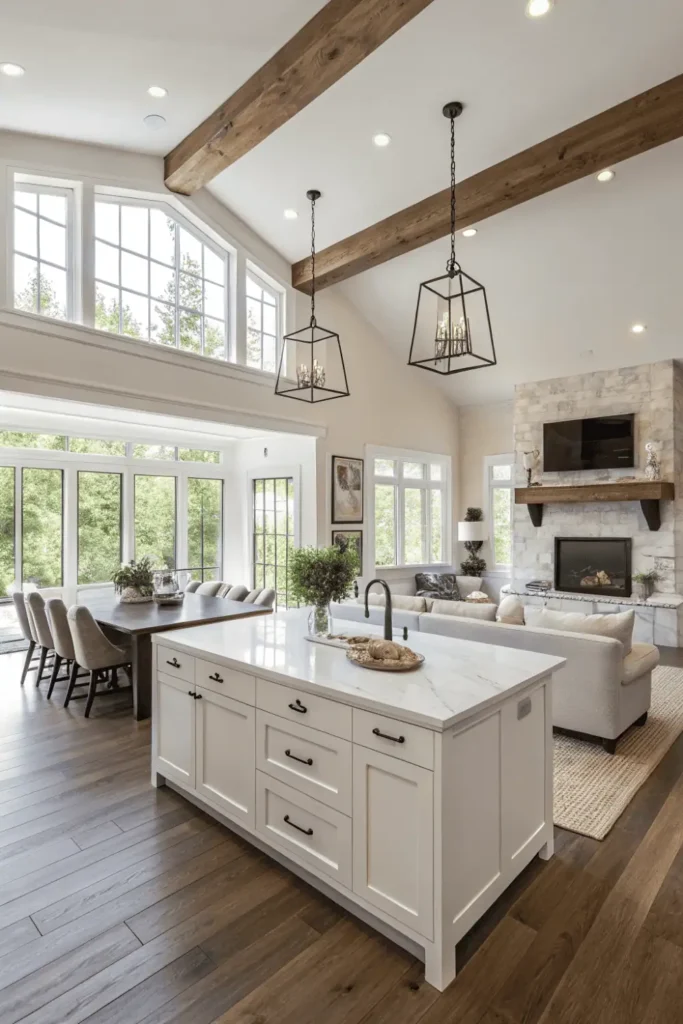
Creating an open floor plan revolutionizes how your family uses space by removing walls between the kitchen and adjacent rooms. This popular kitchen remodel strategy improves traffic flow, increases natural light, and creates better sightlines for supervising children.
A professional structural assessment is essential to determine which walls can be safely removed. Budget for beam installation if removing load-bearing walls, as proper support is non-negotiable for safety.
The investment typically ranges from $1,200-$3,000 for non-load-bearing walls and $3,200-$10,000 for load-bearing walls. Open concepts make homes feel larger and more modern, significantly improving resale appeal.
Pro Tip: Install a substantial island or peninsula to maintain some separation and provide essential counter space lost when removing walls.
3. Quartz Countertop Installation for Durability and Beauty
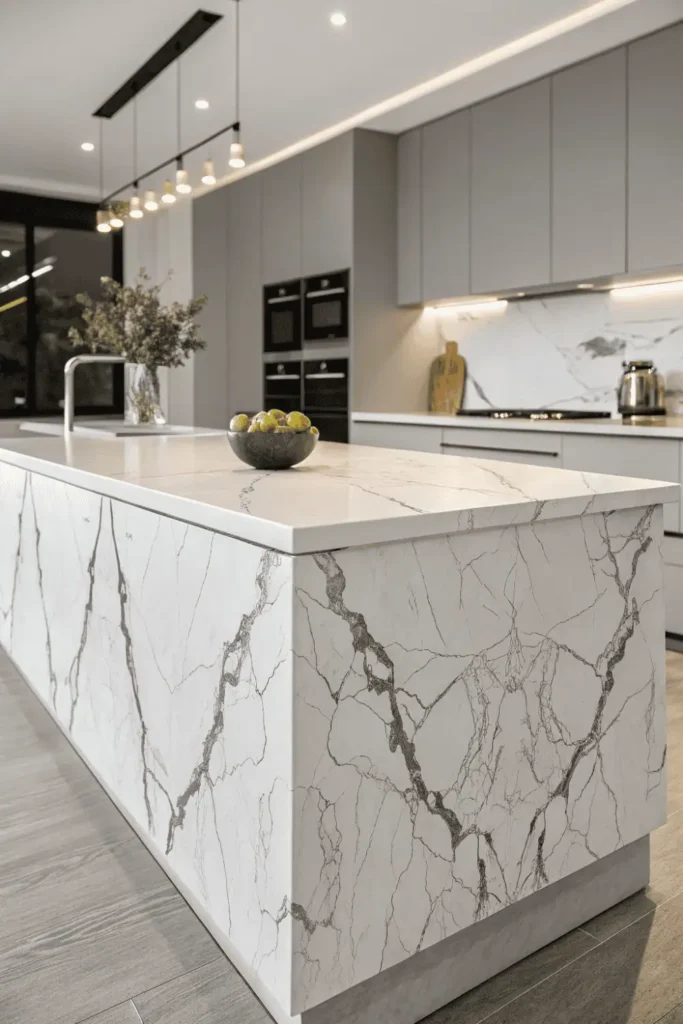
Quartz countertops combine engineered durability with natural stone aesthetics, making them ideal for busy kitchens. Unlike natural stone, quartz never requires sealing and resists stains, scratches, and bacteria growth exceptionally well.
This kitchen remodel upgrade offers consistent patterning without the variation found in granite or marble. Prices range from $50-$120 per square foot installed, positioning quartz as a mid-to-high-end option that delivers excellent value.
Pro Tip: Choose quartz with subtle veining rather than bold patterns—neutral designs offer better long-term flexibility as your style evolves.
4. Subway Tile Backsplash with Modern Patterns
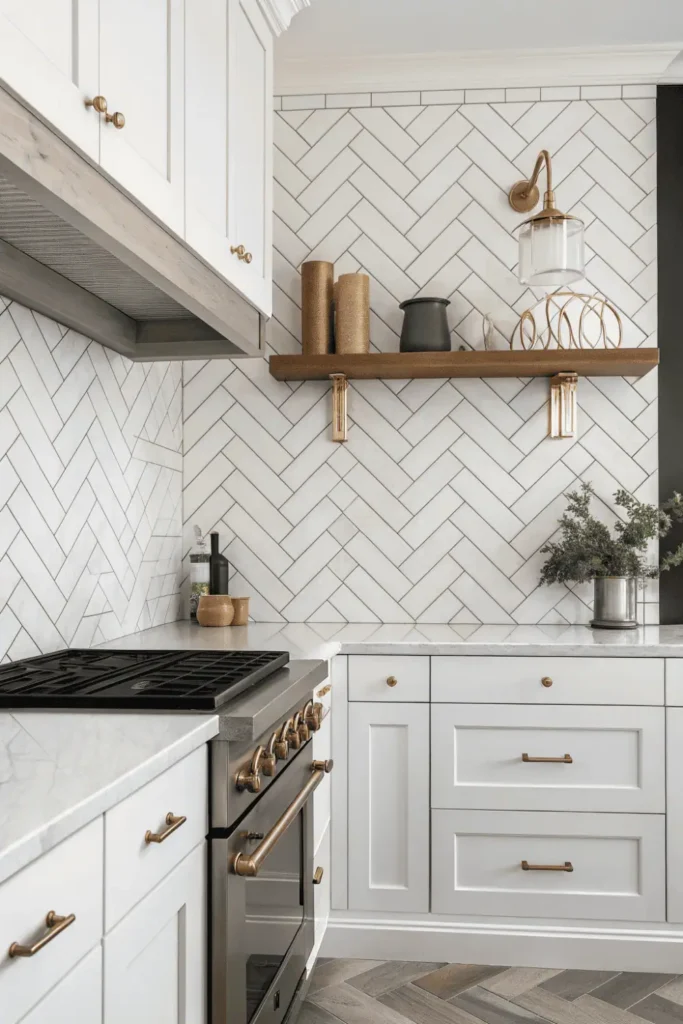
A fresh backsplash protects walls while adding personality to your kitchen remodel without overwhelming the space. Classic white subway tiles remain eternally popular, but modern installation patterns like herringbone, vertical stack, or elongated formats create contemporary appeal.
Tile costs run $7-$15 per square foot for materials, with installation adding $10-$25 per square foot. DIY installation is feasible for handy homeowners, potentially cutting costs in half while creating a personalized touch.
Pro Tip: Extend your backsplash to the ceiling rather than stopping at the traditional 18 inches for dramatic impact and easier cleaning behind stoves.
5. Kitchen Island Addition for Function and Gathering
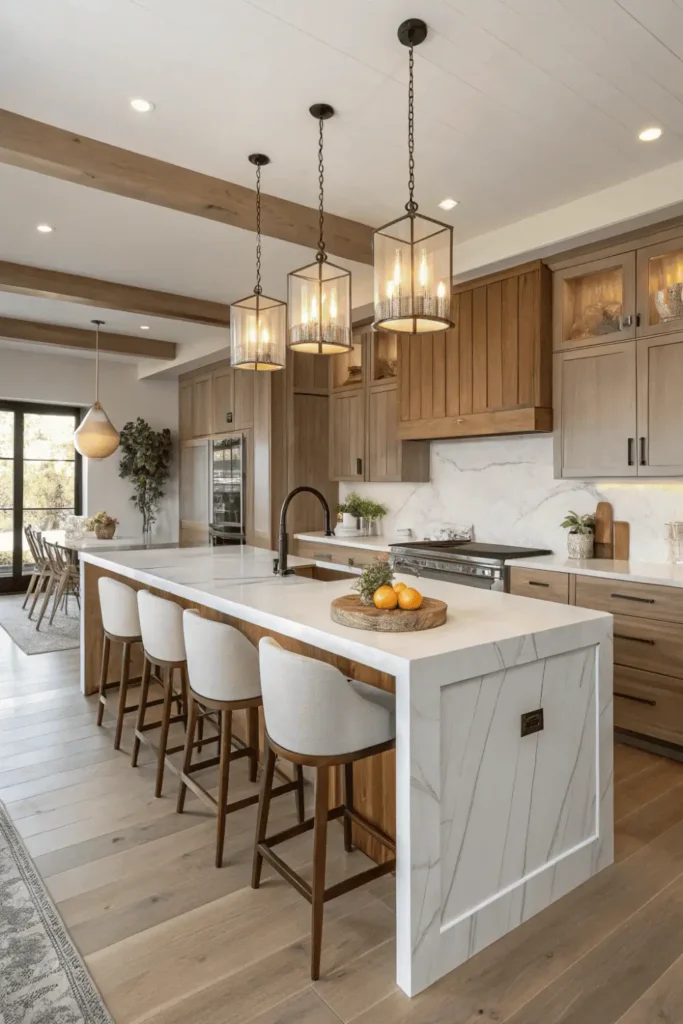
Adding a kitchen island during your remodel creates invaluable workspace, storage, and casual dining all in one central feature. Islands anchor open kitchens while providing natural separation between cooking and living zones.
Minimum clearances of 42-48 inches around all sides ensure comfortable traffic flow and appliance access. Built-in features like wine fridges, dishwashers, or prep sinks maximize functionality while keeping the main workspace clear.
Budget $3,000-$10,000 for basic islands or $10,000-$20,000 for custom designs with premium materials. Islands with seating require 15 inches of overhang and 24 inches of width per person for comfortable dining.
Pro Tip: Include at least one electrical outlet and consider adding a second sink or cooktop to create a true work triangle with your main cooking area.
6. Smart Appliance Package Upgrade
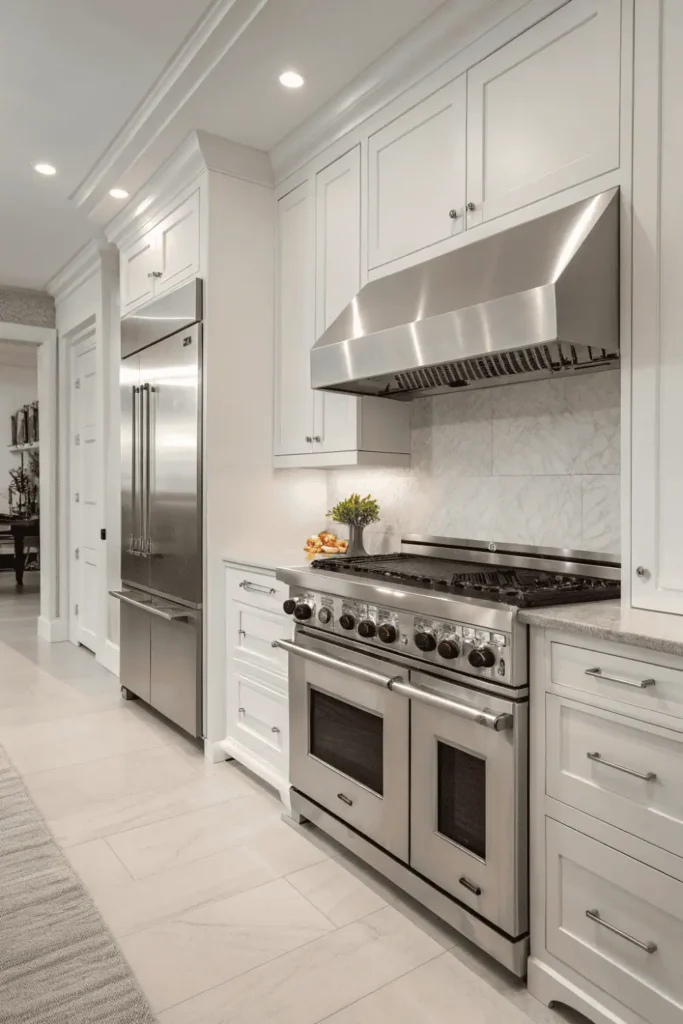
Energy-efficient appliances reduce utility costs while adding modern convenience features to your kitchen remodel. Today’s smart appliances connect to WiFi, allowing remote monitoring, preheating ovens from your phone, and receiving maintenance alerts.
Stainless steel remains the most popular finish, but newer options like black stainless, matte black, or panel-ready designs that integrate with cabinetry offer contemporary alternatives. Complete appliance packages (refrigerator, range, dishwasher, microwave) cost $3,000-$12,000 depending on brand and features.
Pro Tip: Measure doorways and staircases carefully before ordering large refrigerators—many delivery delays stem from access issues, not availability.
7. Luxury Vinyl Plank Flooring for Practical Beauty
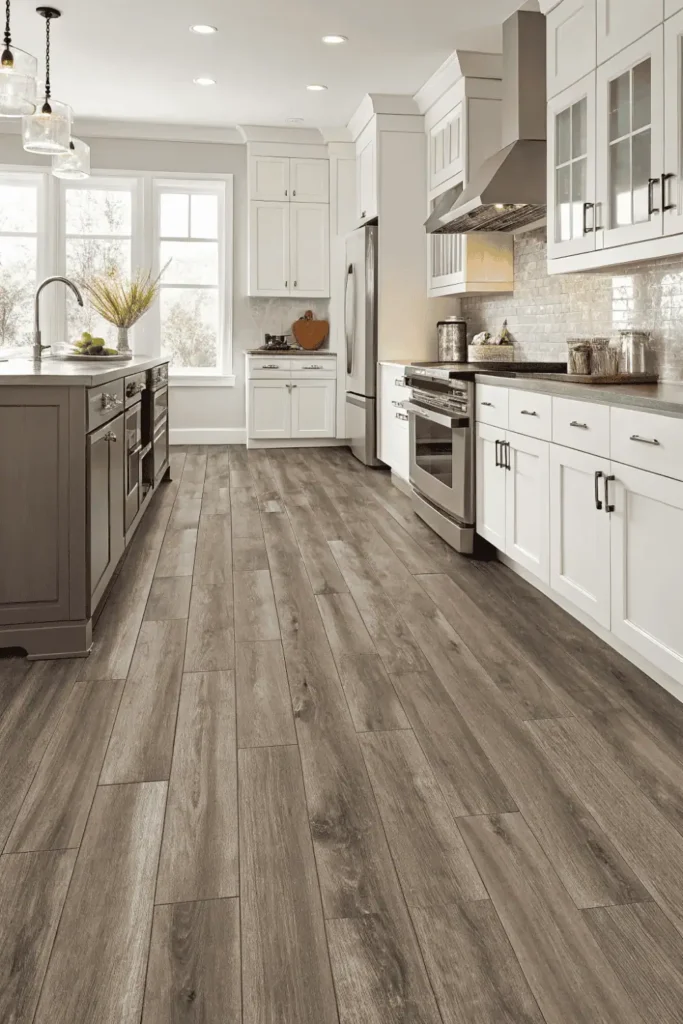
Luxury vinyl plank (LVP) flooring offers the appearance of hardwood at a fraction of the cost with superior water resistance for kitchens. This kitchen remodel choice withstands spills, dropped dishes, and heavy traffic while requiring minimal maintenance.
Installation costs range from $3-$10 per square foot including materials and labor. LVP is quieter and warmer underfoot than tile while offering 15-25 year lifespans with proper care.
The waterproof core makes LVP ideal for homes with children, pets, or concerns about moisture damage. Modern printing technology creates incredibly realistic wood looks indistinguishable from real hardwood at casual glances.
Pro Tip: Choose LVP with attached underlayment for easier DIY installation and better sound dampening than separate underlayment layers.
8. Farmhouse Sink Installation for Style and Function
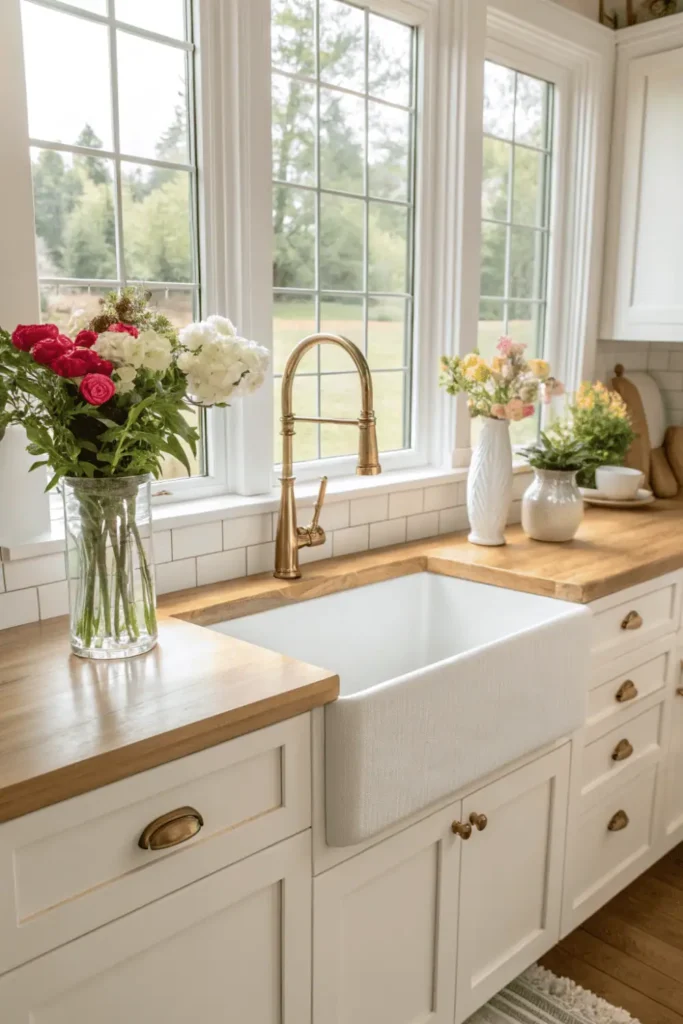
A farmhouse sink (also called apron-front sink) makes a bold statement in any kitchen remodel while offering practical advantages. The exposed front panel adds architectural interest, and the deep basin accommodates large pots and baking sheets effortlessly.
Fireclay and cast iron farmhouse sinks are most durable, while stainless steel options cost less and weigh significantly less. Prices range from $300-$2,500 depending on material and size, with installation adding $200-$500 for cabinet modifications.
Pro Tip: Choose undermount farmhouse sinks over drop-in styles for easier countertop cleaning and a more integrated, professional appearance.
9. Recessed Lighting with Dimmer Controls
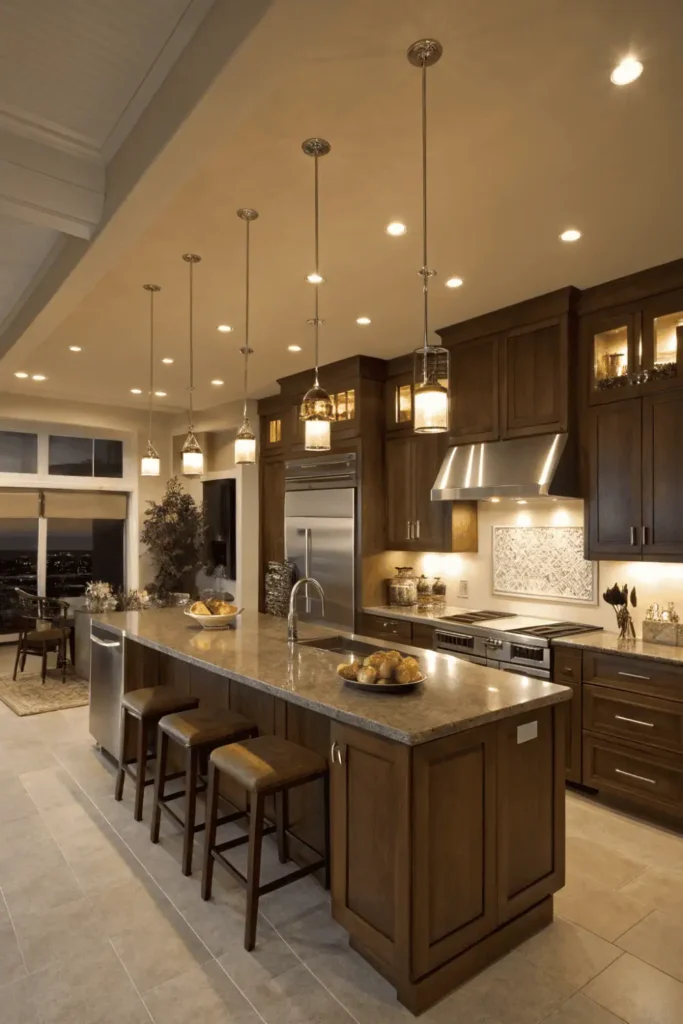
Modern lighting transforms functionality and ambiance in your kitchen remodel, with recessed LED fixtures offering clean, contemporary illumination. Strategic placement eliminates shadows on work surfaces while creating layered lighting for different activities and moods.
LED recessed lights cost $20-$100 per fixture installed and last 25,000-50,000 hours while using 75% less energy than traditional bulbs. Install lights 4-6 feet apart for even coverage, and include separate circuits for different zones.
Dimmer switches add $30-$80 per switch but dramatically increase lighting flexibility. Combine recessed lights with under-cabinet fixtures and pendant lights over islands for professional, restaurant-quality illumination.
Pro Tip: Install recessed lights before pendant fixtures so electricians can route wiring through ceiling joists rather than exposed conduit along ceilings.
10. Two-Tone Cabinet Color Scheme
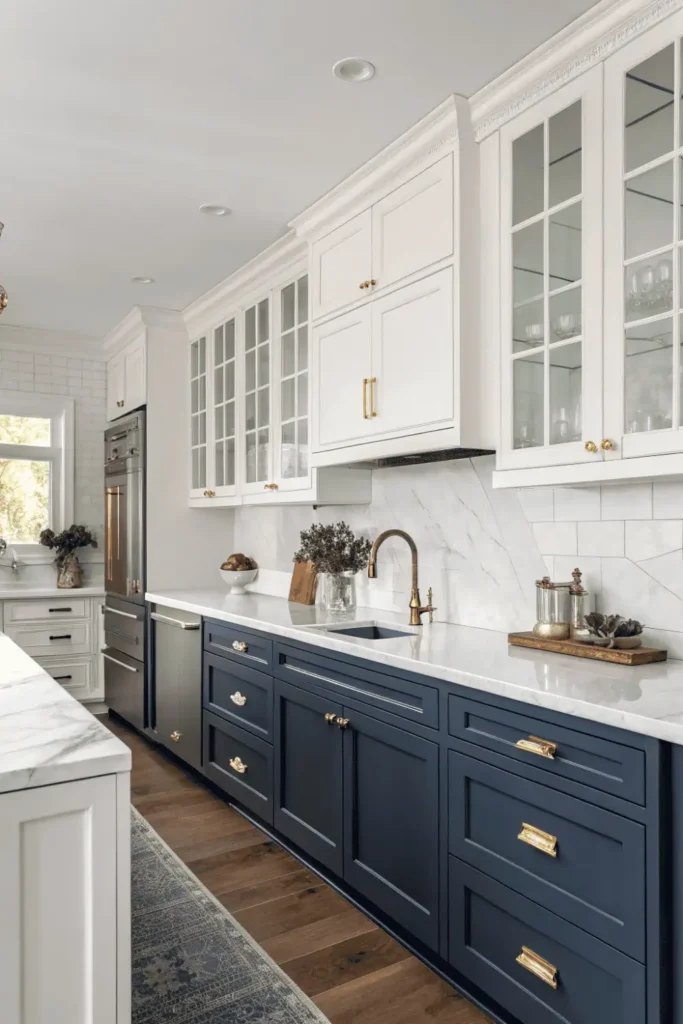
Two-tone cabinets create visual interest and define zones within your kitchen remodel without requiring extensive structural changes. Popular combinations include white upper cabinets with navy or gray lowers, or natural wood lowers with white uppers.
This approach allows bold color experimentation while maintaining balance and preventing overwhelming darkness. The trend works across all kitchen sizes and styles, from farmhouse to contemporary.
Budget an additional 10-15% over single-color cabinet costs for painting preparation and multiple paint colors. Contrasting islands in complementary or accent colors extend the two-tone concept while creating focal points.
Pro Tip: Use the lighter color on upper cabinets to maintain an airy feel and prevent the space from feeling top-heavy or closed-in.
11. Pantry Addition or Expansion
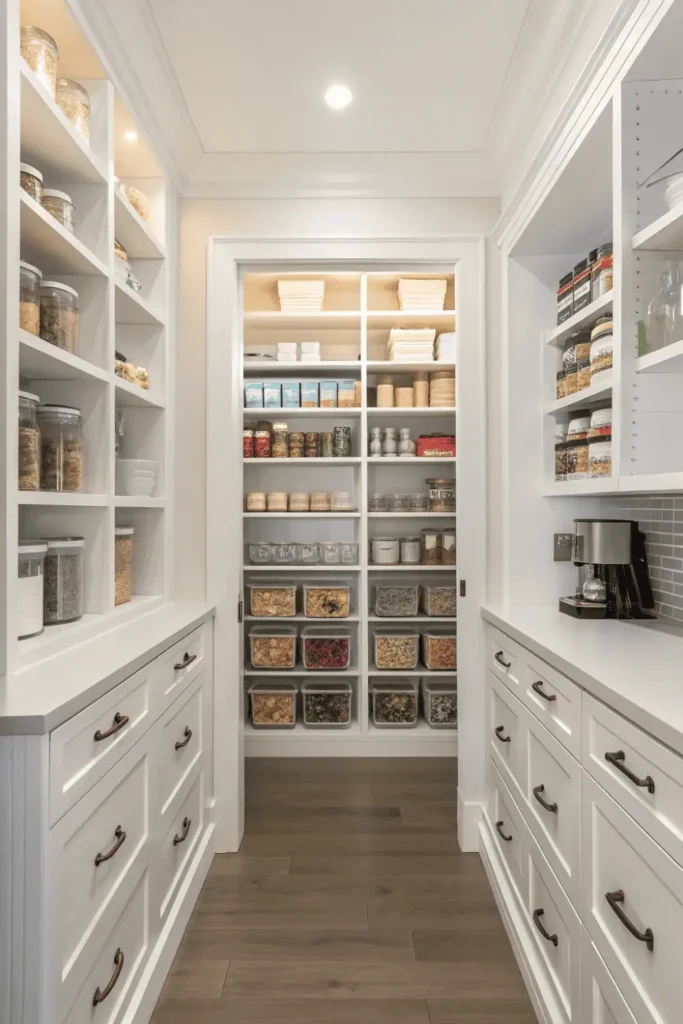
Adding a walk-in pantry during your kitchen remodel dramatically increases storage while reducing countertop clutter. Even converting a nearby closet into a kitchen pantry provides substantial organizational benefits without requiring major construction.
Butler’s pantries between kitchens and dining rooms offer both storage and prep space while hiding mess during entertaining. Custom shelving systems cost $1,000-$5,000 depending on size and complexity, but the organizational benefits justify the investment.
Pro Tip: Include outlets in your pantry for storing small appliances like coffee makers, toasters, or stand mixers off the main counter.
12. Under-Cabinet Lighting for Task Illumination
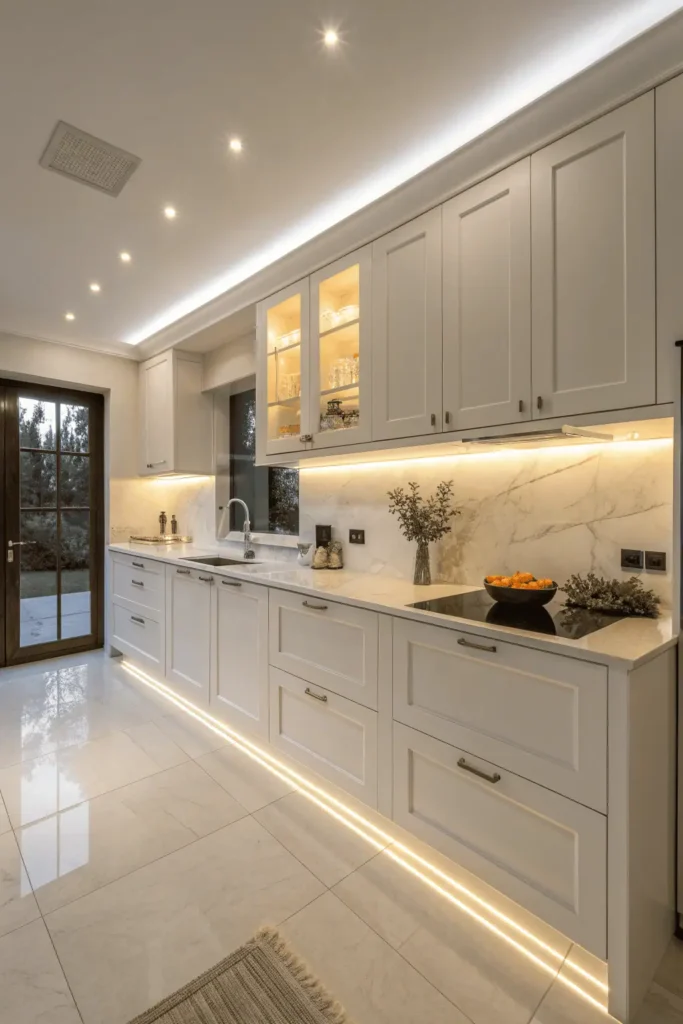
Under-cabinet lighting eliminates shadows on countertops during food preparation while adding sophisticated ambiance to your kitchen remodel. LED strip lights or puck lights installed beneath wall cabinets provide focused task lighting where you need it most.
Plug-in options cost $20-$100 and install in minutes, while hardwired systems range from $200-$800 installed but offer cleaner appearances. LED technology ensures cool operation, long lifespans, and minimal energy consumption compared to older halogen options.
Pro Tip: Install lights toward the front edge of cabinets rather than against the wall to minimize shadows and maximize countertop illumination.
13. Smart Storage Solutions and Pull-Out Organizers
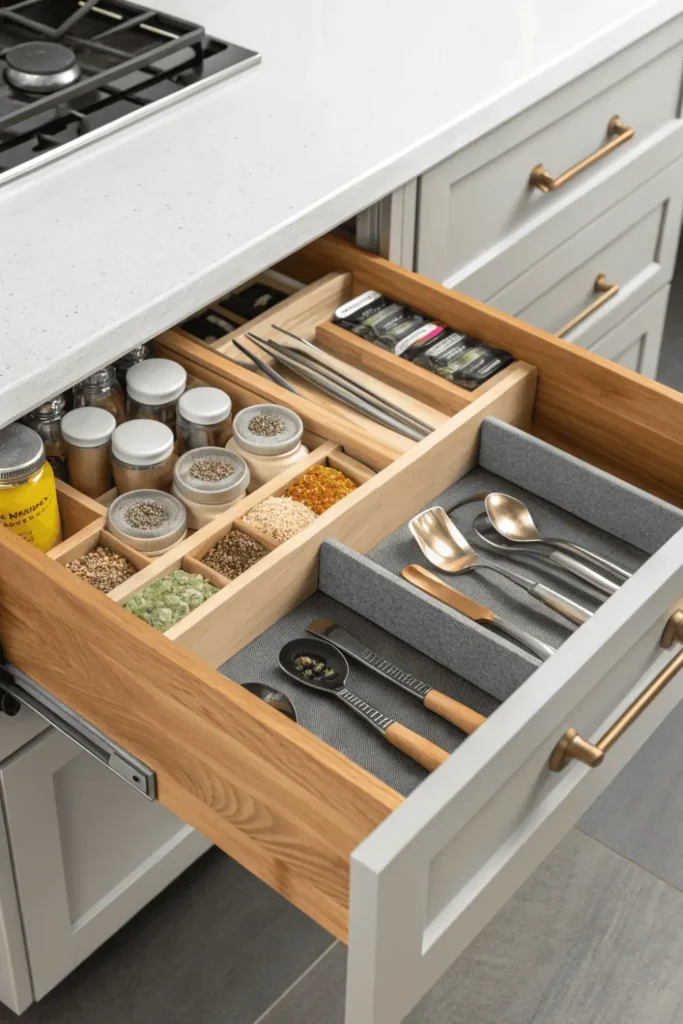
Custom storage solutions maximize every inch of your kitchen remodel through pull-out shelves, corner carousels, vertical tray dividers, and drawer organizers. These upgrades transform awkward cabinet spaces into highly functional storage that actually gets used.
Deep drawer systems for pots and pans eliminate the need to crouch and dig through base cabinets. Trash pull-outs hide unsightly bins while keeping them accessible, and spice pull-outs utilize narrow spaces between appliances.
Budget $100-$500 per custom organizer feature, with typical kitchens benefiting from 5-10 specialized storage solutions. Well-organized kitchens function better and maintain their tidiness more easily than those with standard shelving alone.
Pro Tip: Prioritize storage solutions for items you use daily—the convenience of a pull-out drawer for heavy pots outweighs decorative features you’ll rarely appreciate.
Why Kitchen Remodels Are Worth the Investment
A kitchen remodel consistently ranks among home improvements offering the highest return on investment, with mid-range renovations recouping 50-80% of costs at resale. Beyond financial returns, updated kitchens dramatically improve daily quality of life through better functionality, organization, and aesthetics.
Modern kitchens with efficient layouts reduce meal preparation time and stress while increasing your home’s appeal to potential buyers. Updated appliances lower utility costs through improved energy efficiency, and quality materials reduce maintenance needs over time.
The emotional value of loving your kitchen space—where families gather, meals are prepared, and memories are made—often exceeds the measurable financial benefits. A well-executed kitchen remodel transforms your relationship with your home, making every meal and gathering more enjoyable.
Things to Consider Before Choosing Kitchen Remodel Options
Budget realistically for your kitchen remodel by adding 10-20% contingency for unexpected issues like hidden water damage, outdated electrical systems, or structural surprises. Most renovations uncover at least one unforeseen problem requiring additional funds, and preparation prevents financial stress mid-project.
Timeline expectations matter significantly—minor cosmetic kitchen remodels take 3-6 weeks while major renovations require 8-12 weeks or longer. Consider where you’ll prepare meals during construction, as most contractors recommend setting up temporary kitchens elsewhere.
Professional help versus DIY decisions impact both costs and results—complex tasks like electrical work, plumbing, and structural changes require licensed professionals for safety and code compliance. Your kitchen remodel succeeds when you honestly assess your skills and hire experts for tasks beyond your capabilities.
Comparison Table of Kitchen Remodel Options
| Remodel Type | Price Range | Durability | Maintenance | Best For | Lead Time |
| Cabinet Refacing | $4,000-$10,000 | 10-15 years | Low | Budget updates | 3-5 days |
| Open Concept Wall Removal | $1,200-$10,000 | Permanent | None | Modern flow | 1-2 weeks |
| Quartz Countertops | $2,500-$8,000 | 25+ years | Very Low | Busy kitchens | 2-3 weeks |
| Subway Tile Backsplash | $1,000-$3,500 | 20+ years | Low | Style updates | 1-2 weeks |
| Kitchen Island Addition | $3,000-$20,000 | 20+ years | Low | Added function | 2-4 weeks |
| Appliance Package Upgrade | $3,000-$12,000 | 10-15 years | Medium | Efficiency | 1-2 weeks |
| LVP Flooring | $2,000-$6,000 | 15-25 years | Very Low | Durability | 3-5 days |
| Farmhouse Sink | $500-$3,000 | 20+ years | Low | Style statement | 1 week |
| Recessed Lighting | $1,200-$4,000 | 25+ years | Very Low | Better illumination | 1-2 days |
| Two-Tone Cabinets | $8,000-$25,000 | 15-20 years | Low | Visual interest | 4-8 weeks |
| Pantry Addition | $1,000-$15,000 | Permanent | None | Storage needs | 2-6 weeks |
| Under-Cabinet Lighting | $200-$800 | 15-20 years | Very Low | Task lighting | 1 day |
| Custom Storage Solutions | $500-$5,000 | 15+ years | None | Organization | 1-3 weeks |
Frequently Asked Questions About Kitchen Remodel
How much does a typical kitchen remodel cost?
A kitchen remodel costs vary dramatically based on scope, materials, and location, but national averages provide useful guidelines. Minor cosmetic updates including painting cabinets, new hardware, and updated lighting run $5,000-$15,000 for DIY projects or $10,000-$25,000 with professional help.
Mid-range kitchen remodels involving new cabinets, countertops, appliances, and flooring typically cost $25,000-$60,000 for average-sized kitchens. High-end renovations with custom cabinetry, premium materials, and structural changes often exceed $75,000-$150,000 or more.
Your kitchen remodel budget should allocate approximately 40-50% for cabinets and hardware, 10-15% for appliances, 10-15% for countertops, 5-10% for flooring, and 20-30% for labor and installation. Location significantly impacts costs, with urban areas commanding 20-40% premiums over rural regions.
How long does a kitchen remodel take to complete?
Minor kitchen remodels focusing on cosmetic updates like painting cabinets, replacing hardware, and updating lighting take 2-4 weeks from start to finish. Moderate renovations including new cabinets, countertops, backsplash, and appliances require 6-10 weeks for typical completion.
Major kitchen remodels involving structural changes, moving plumbing or electrical, and custom elements take 10-16 weeks or longer depending on complexity. Permit approval adds 2-6 weeks before work begins in most jurisdictions, and supply chain delays for custom cabinets or specialty materials can extend timelines significantly.
Your kitchen remodel timeline improves with advance planning—ordering materials 8-12 weeks before construction begins prevents delays. Most contractors recommend adding 2-3 weeks buffer to quoted timelines for realistic expectations, as unforeseen issues like hidden damage or incorrect measurements commonly extend projects.
What should I prioritize in a kitchen remodel on a tight budget?
Budget kitchen remodels achieve maximum impact by prioritizing visible changes over behind-the-scenes improvements. Cabinet updates through painting or refacing transform appearance more dramatically than any other single change, making them the best first investment for limited budgets.
Countertop replacement ranks second in visual impact, with affordable options like butcher block ($30-$70/sq ft) or laminate ($20-$50/sq ft) offering major improvements without premium costs. New hardware provides incredible value at just $3-$15 per pull, instantly modernizing cabinets for under $200 in most kitchens.
Skip structural changes and expensive appliance upgrades when budgets are tight, focusing instead on painting walls, updating lighting fixtures, and installing peel-and-stick backsplashes. Your kitchen remodel succeeds when you concentrate funds on changes people see daily rather than hiding investments behind walls or in mechanicals.
Do I need permits for my kitchen remodel project?
Kitchen remodel permits are required for most projects involving plumbing, electrical, or structural changes, though cosmetic updates rarely need official approval. Moving or adding outlets, installing new appliances requiring hardwired connections, or relocating plumbing fixtures all trigger permit requirements in most jurisdictions.
Structural modifications including removing walls, adding islands with plumbing, or changing window sizes always require permits and professional engineer stamps for load calculations. Simple cosmetic changes like painting cabinets, replacing cabinet doors, updating hardware, or installing new countertops without plumbing modifications typically don’t need permits.
Your kitchen remodel planning should include permit research through local building departments 2-3 months before starting work. Permit costs vary by location and project scope, typically ranging $500-$2,500 for moderate renovations, but the protection and proper inspections justify expenses by ensuring code compliance and preventing future sale complications.