If you’ve saved a hundred beautiful home photos but your own space still feels off, you’re definitely not alone.
Home interior design isn’t really about trends. It’s about how your space feels when you walk into it, where the light lands in the morning, whether your furniture fits without crowding the room, and whether a space feels calm or slightly stressful for no apparent reason.
These 13 home interior design ideas are here to help you move past inspiration and actually make your home work for real life.
List of 13 Best Home Interior Design Ideas
1. Open-Concept Living Spaces

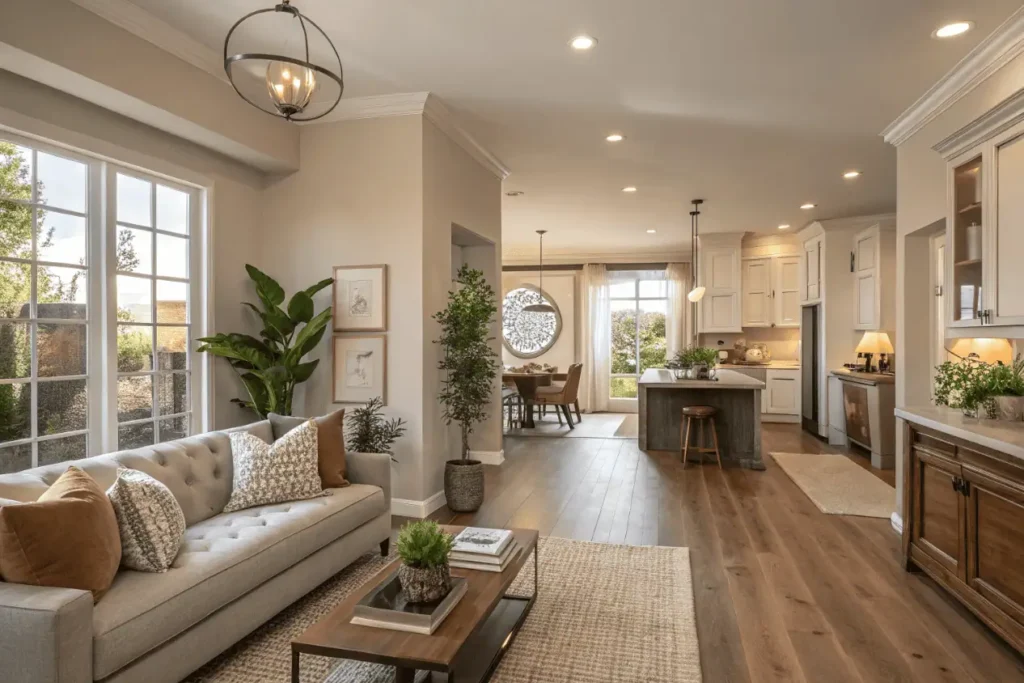
Open floor plans eliminate walls between living rooms, dining areas, and kitchens, creating spacious, connected environments. This popular home interior design trend maximizes natural light and improves traffic flow throughout your home.
Open spaces encourage family interaction and make entertaining guests effortless. They also make smaller homes feel significantly larger by removing visual barriers.
Pro Tip: Use area rugs and furniture placement to define separate zones within your open space without adding physical walls.
2. Statement Accent Walls

Accent walls add dramatic focal points to any room through bold paint colors, textured wallpaper, or natural materials like wood or stone. This home interior design technique draws the eye and adds personality without overwhelming the entire space.
Choose the wall behind your bed, sofa, or fireplace for maximum impact. Dark colors create intimacy, while bright hues energize the room.
Pro Tip: Limit yourself to one accent wall per room to maintain balance and prevent the space from feeling chaotic.
3. Layered Lighting Design

Proper lighting combines ambient, task, and accent sources to create functional and beautiful spaces. Effective home interior design requires multiple light sources at different levels rather than relying on single overhead fixtures.
Install dimmer switches for flexibility throughout the day. Mix ceiling lights with table lamps, floor lamps, and under-cabinet lighting to eliminate dark corners.
Pro Tip: Choose warm white bulbs (2700K-3000K) for living areas and bedrooms to create inviting, cozy atmospheres.
4. Multifunctional Furniture Solutions
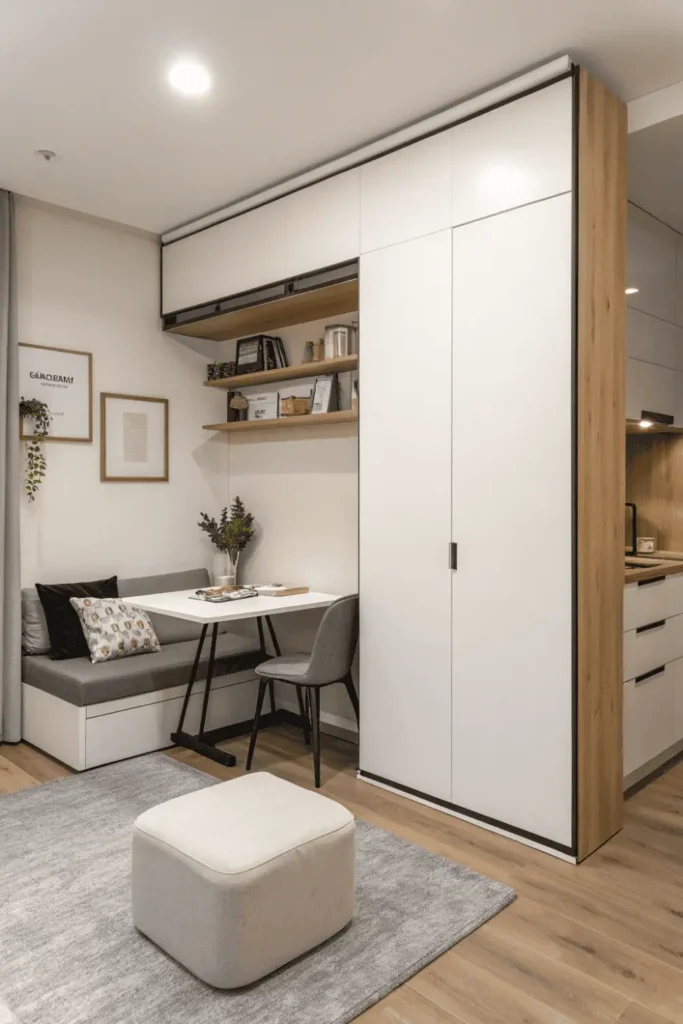
Space-saving furniture maximizes small rooms through pieces that serve multiple purposes. Smart home interior design incorporates storage ottomans, sofa beds, extendable dining tables, and wall-mounted desks that adapt to changing needs.
These versatile pieces are essential for apartments, studio spaces, or any home where square footage is limited. They maintain functionality without sacrificing style.
Pro Tip: Invest in quality multifunctional pieces rather than cheap alternatives—they’ll withstand frequent transformation and heavy use.
5. Natural Material Integration

Organic materials like wood, stone, rattan, and jute bring warmth and texture to modern home interior design. These elements create balance in contemporary spaces that might otherwise feel cold or sterile.
Natural materials age beautifully and provide timeless appeal that transcends passing trends. They also connect indoor spaces with the natural world, promoting calm and well-being.
Pro Tip: Mix different natural materials—pair smooth marble with rough-hewn wood or sleek leather with woven textiles—to create visual interest and depth.
6. Gallery Wall Arrangements

Curated wall displays showcase artwork, photographs, and decorative objects in cohesive arrangements. This home interior design approach personalizes spaces while filling large blank walls with meaning and visual interest.
Plan your layout on the floor before hanging to ensure proper spacing and balance. Mix frame sizes and orientations while maintaining consistent matting or frame colors for unity.
Pro Tip: Keep the center of your gallery wall at eye level (approximately 57-60 inches from the floor) for optimal viewing.
7. Strategic Mirror Placement

Decorative mirrors expand spaces visually and multiply natural light when positioned thoughtfully. Excellent home interior design uses mirrors opposite windows or in dark corners to brighten rooms and create the illusion of additional space.
Large mirrors make small rooms feel significantly larger. Clusters of smaller mirrors create artistic statements while serving practical purposes.
Pro Tip: Position mirrors to reflect beautiful views or attractive room features, but avoid placing them directly opposite cluttered areas or unflattering angles.
8. Color Psychology Application
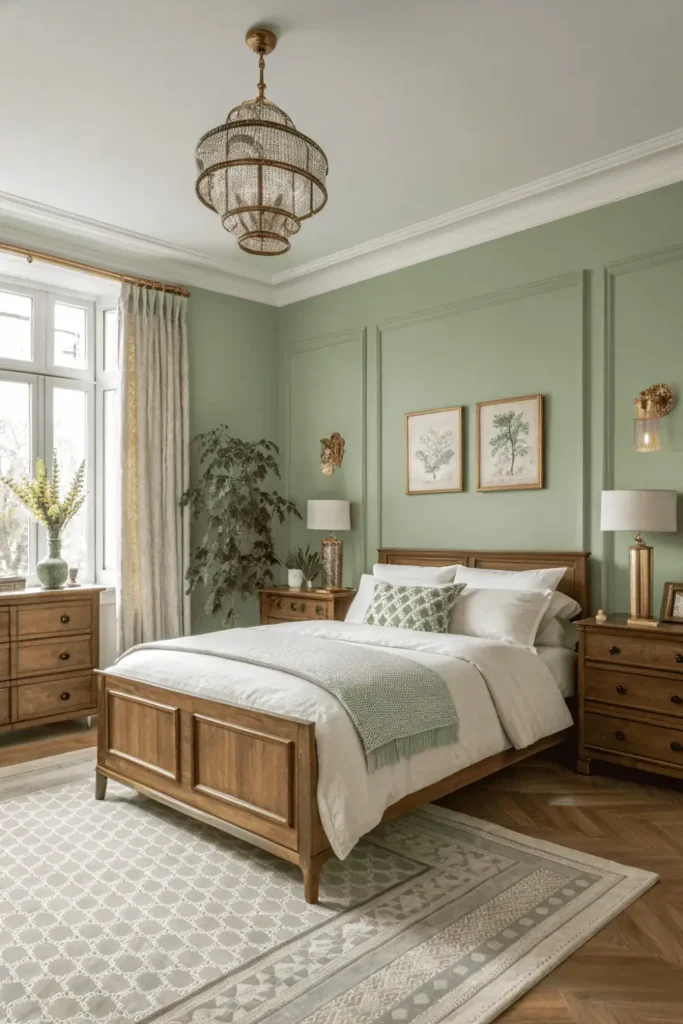
Strategic color choices influence mood and perception in every room. Professional home interior design considers how colors affect emotions—blues promote calm, yellows energize, greens refresh, and neutrals provide versatile foundations.
Use the 60-30-10 rule: 60% dominant color, 30% secondary color, and 10% accent color. This creates balanced, harmonious spaces that feel intentionally designed.
Pro Tip: Test paint samples in large swatches on your walls and observe them in morning, afternoon, and evening light before committing to final colors.
9. Textural Layering Techniques

Varied textures add depth and sophistication to home interior design by engaging multiple senses. Combine smooth with rough, soft with hard, and matte with glossy for rooms that feel rich and complete.
Layer velvet pillows on leather sofas, place chunky knit throws on smooth bedding, or pair sleek metal fixtures with natural wood furniture. These contrasts create visual interest without adding color.
Pro Tip: Include at least three different textures in every room—start with large items like rugs and upholstery, then add textured accessories.
10. Indoor Plant Integration

Living greenery purifies air while adding natural beauty to home interior design. Plants introduce organic shapes, vibrant colors, and life into interiors, creating connections with nature that promote well-being.
Group plants at varying heights for maximum impact. Choose low-maintenance varieties like pothos, snake plants, or ZZ plants if you’re new to plant care.
Pro Tip: Place plants in decorative planters that complement your decor style—ceramic for modern spaces, woven baskets for bohemian rooms, or metallic pots for industrial aesthetics.
11. Custom Built-In Storage

Built-in shelving and cabinetry maximize storage while maintaining clean lines in home interior design. Custom solutions fit awkward spaces perfectly and create seamless appearances that freestanding furniture cannot achieve.
Built-ins increase home value and eliminate the cluttered look of mismatched furniture pieces. They work beautifully flanking fireplaces, filling alcoves, or creating home office walls.
Pro Tip: Paint built-ins the same color as your walls to make them recede visually, or choose contrasting colors to make them architectural focal points.
12. Thoughtful Window Treatments
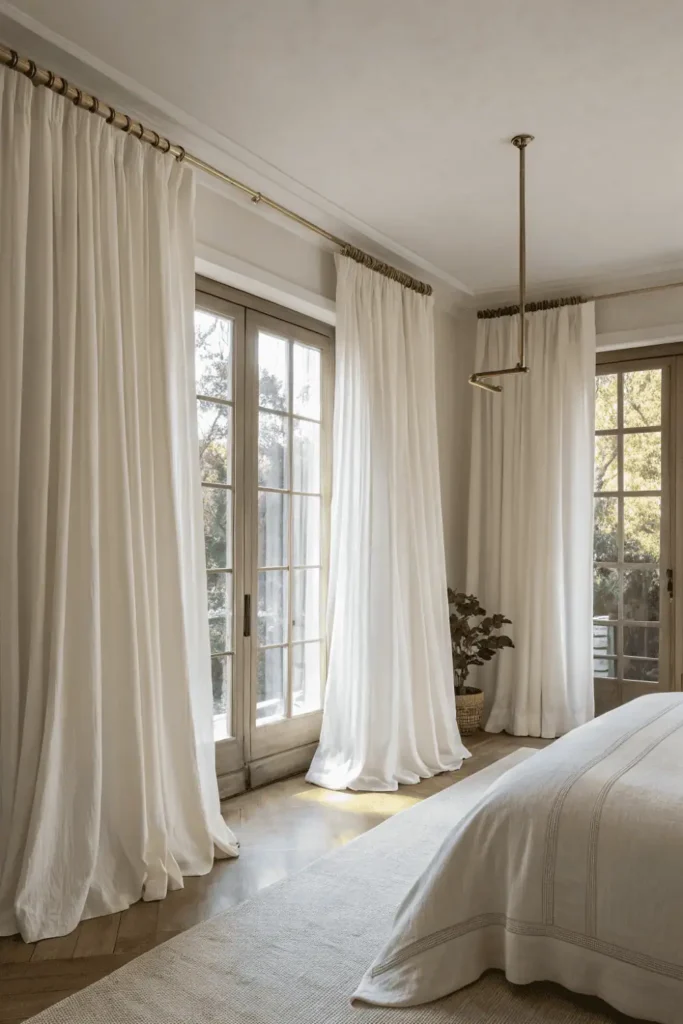
Strategic window coverings control privacy and light while adding softness to home interior design. Hang curtain rods close to the ceiling and extend them beyond window frames to make rooms appear taller and windows larger.
Choose treatments that complement your style—flowing linen curtains for casual spaces, roman shades for clean-lined rooms, or layered sheers with blackout panels for maximum flexibility.
Pro Tip: For the most elegant look, curtains should just touch or puddle slightly on the floor rather than hanging several inches above it.
13. Personal Collections Display

Curated displays transform personal items into home interior design features that tell your unique story. Showcase travel souvenirs, family heirlooms, book collections, or vintage finds in intentional arrangements that reflect your personality.
Group items in odd numbers (three or five) for visual appeal. Vary heights and leave some empty space to prevent cluttered appearances.
Pro Tip: Rotate displayed collections seasonally to keep your spaces feeling fresh without purchasing new decor items.
Why Home Interior Design Is Worth the Investment
Professional home interior design significantly increases your property value and appeal to potential buyers. Well-designed spaces sell faster and command higher prices than comparable homes with outdated or poorly planned interiors.
Quality home interior design improves your daily quality of life by creating functional, beautiful environments that reduce stress and increase comfort. Spaces designed around your specific needs and lifestyle make everyday activities easier and more enjoyable.
Investing in good home interior design saves money long-term by preventing costly mistakes and impulse purchases. Strategic planning ensures you buy the right pieces the first time, avoiding the expense of replacing items that don’t work.
Things to Consider Before Choosing Home Interior Design
Your home interior design must reflect your actual lifestyle rather than aspirational images from magazines. Honest assessment of how you use spaces—with children, pets, entertaining habits, and daily routines—prevents beautiful but impractical choices.
Budget realistically for home interior design projects by prioritizing rooms you use most and investing in quality foundation pieces. Smart allocation means spending more on sofas and beds you use daily while saving on decorative accessories.
Consider the home interior design timeline carefully, as rushed decisions lead to regret and wasted money. Patient planning allows you to live in spaces, identify true needs, and make thoughtful choices that serve you for years.
Comparison Table of Home Interior Design Styles
| Design Style | Price Range | Maintenance | Best For | Key Features | Timeline |
| Modern Minimalist | $$ – $$$ | Low | Small spaces, organized lifestyles | Clean lines, neutral colors, minimal decor | 2-4 months |
| Traditional Classic | $$$ – $$$$ | Medium | Formal homes, timeless appeal | Rich colors, ornate details, matched sets | 3-6 months |
| Farmhouse Rustic | $$ – $$$ | Medium | Family homes, casual living | Distressed wood, vintage finds, cozy textiles | 2-4 months |
| Industrial Urban | $$ – $$$ | Low | Lofts, modern spaces | Exposed brick, metal, leather, raw materials | 2-3 months |
| Coastal Relaxed | $$ – $$$ | Low | Beach homes, relaxed atmospheres | Blues, whites, natural textures, light fabrics | 2-3 months |
| Scandinavian | $$ – $$$ | Low | Modern homes, light-focused spaces | Light wood, white walls, minimal decor, function | 2-4 months |
| Bohemian Eclectic | $ – $$ | Medium | Creative personalities, renters | Layered textiles, global influences, plants | 1-3 months |
Frequently Asked Questions About Home Interior Design
What is the first step in home interior design?
The first step in home interior design is defining your personal style and understanding how you actually use each space. Create inspiration boards, identify patterns in what appeals to you, and honestly assess your lifestyle needs.
Measure your spaces carefully and create floor plans before purchasing anything. This prevents costly mistakes and ensures furniture fits both physically and proportionally.
Start with one room rather than tackling your entire home simultaneously. Focused effort produces better results than spreading resources too thin across multiple spaces.
How much does home interior design cost?
Home interior design costs vary dramatically based on scope, room size, materials, and whether you hire professionals. DIY projects might cost $2,000-$5,000 per room for paint, furniture, and decor, while professional design services range from $5,000-$15,000+ per room.
Professional designers typically charge hourly rates ($75-$200/hour), flat project fees, or percentages of total project costs. Many homeowners choose hybrid approaches, consulting designers for major decisions while handling smaller details themselves.
Budget 10-15% of your home’s value for complete interior redesign, or 3-5% for refreshing specific rooms. Quality investment in foundation pieces like sofas and beds pays dividends through years of daily use.
Can I mix different design styles in home interior design?
Yes, mixing styles creates interesting, personalized home interior design that feels collected rather than catalog-purchased. The key is maintaining cohesion through consistent color palettes, repeated materials, and similar formality levels across mixed pieces.
Most successful homes blend two or three complementary styles rather than adhering rigidly to single aesthetics. This approach, called transitional or eclectic design, allows personal expression while maintaining visual harmony.
Start with a dominant style (60-70% of elements), add a complementary secondary style (20-30%), and include occasional accent pieces (10%) from other aesthetics. Strategic mixing creates unique spaces that reflect authentic personalities rather than predetermined formulas.
How long does a home interior design project take?
Home interior design timelines depend on project scope, budget, and whether you’re working with professionals. Simple room refreshes with new paint, accessories, and rearranged furniture take 1-2 weeks, while complete renovations require 2-6 months or longer.
Design planning itself takes 2-4 weeks for professionals to develop concepts, select materials, and create specifications. Implementation timing varies—painting finishes in days, while custom furniture or built-ins may require 8-12 weeks for fabrication and installation.
Be patient and prioritize quality over speed. Rushed decisions lead to regret and wasted money, while thoughtful planning creates home interior design you’ll love for years to come.