
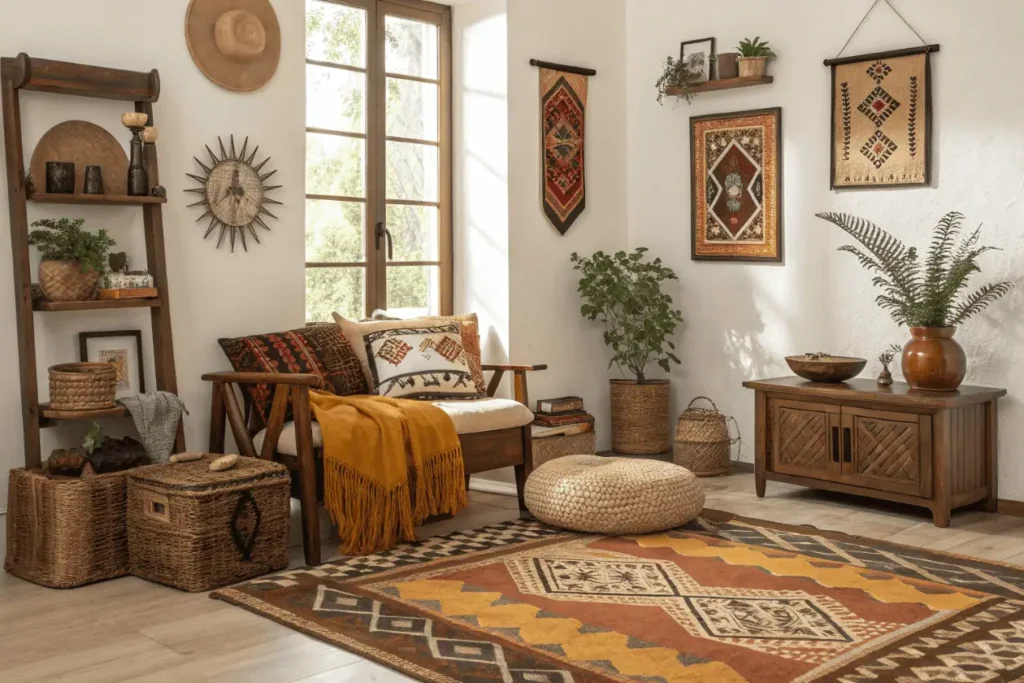
Ethnic home decor brings the rich cultural traditions, vibrant colors, and unique craftsmanship of diverse communities into your living space. This design approach celebrates global artistry through handcrafted textiles, traditional patterns, and authentic pieces from various cultures.
Unlike mass-produced furniture, ethnic decor tells stories through every hand-woven rug, carved wooden piece, and painted ceramic. Each item connects your home to artisan traditions passed down through generations.
Ethnic home decor creates warm, welcoming spaces filled with character and meaning. Whether you’re drawn to Moroccan lanterns, Indian textiles, or African mudcloth, these pieces add soul and authenticity to any room.
List of 13 Best Ethnic Home Decor Ideas
1. Moroccan Poufs and Floor Cushions
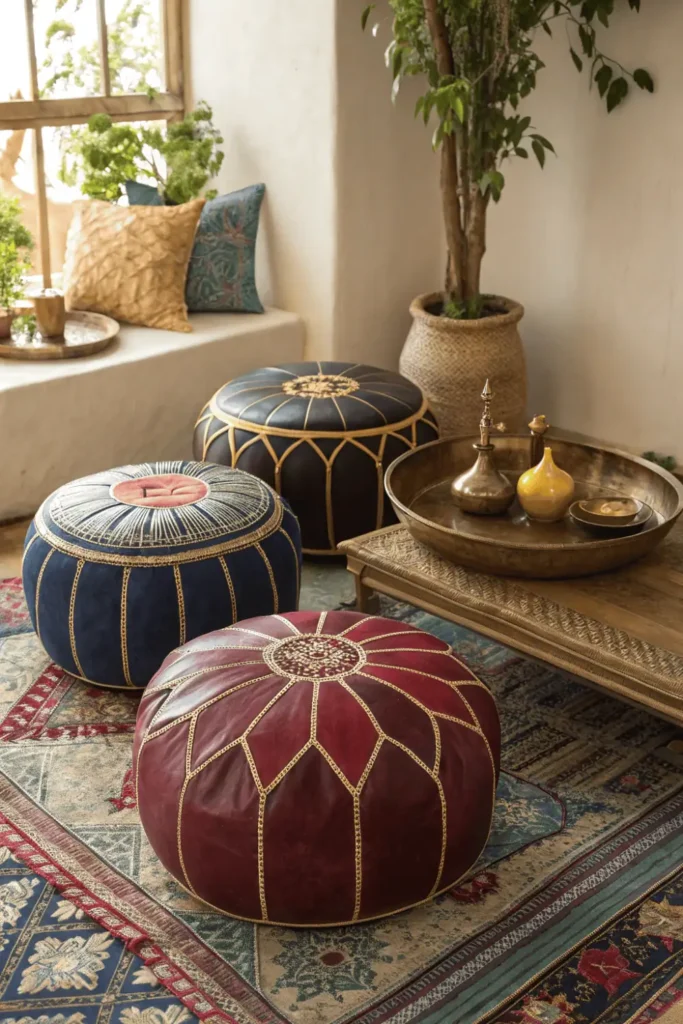
Moroccan leather poufs serve as versatile seating, footrests, or decorative accents that instantly add ethnic charm. These handcrafted cushions feature intricate embroidery and geometric patterns in rich colors.
Floor cushions create casual, welcoming seating areas perfect for conversation and relaxation. They embody the traditional Moroccan practice of gathering close to the ground for meals and socializing.
Pro Tip: Mix poufs in complementary colors and patterns to create dynamic seating arrangements that can be easily rearranged for different occasions.
2. Indian Block-Printed Textiles and Cushions
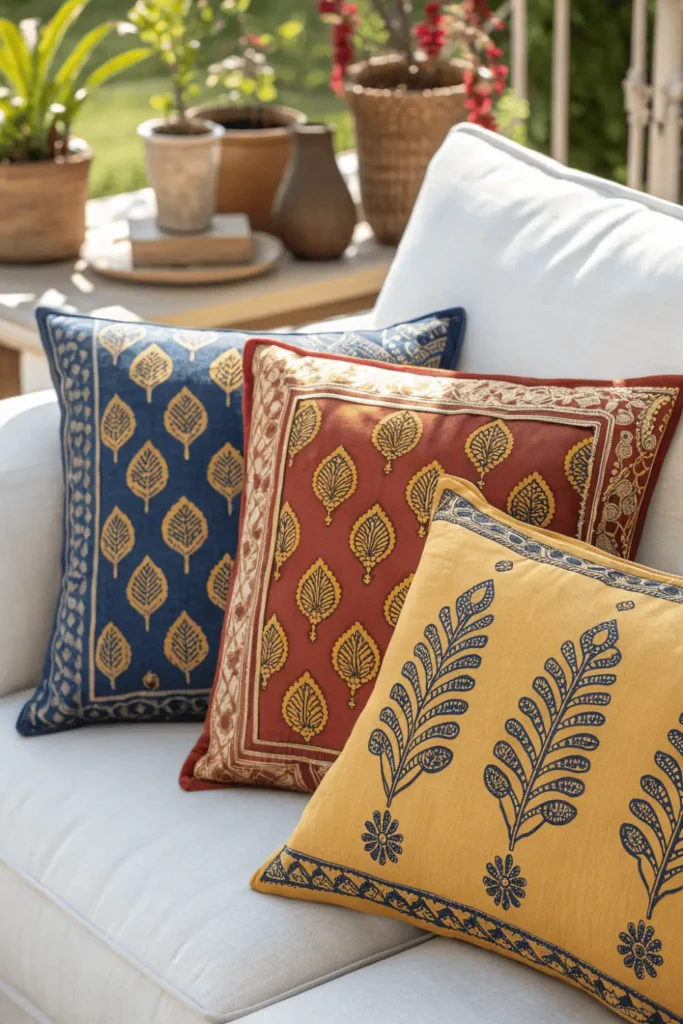
Hand-block printed fabrics from India showcase centuries-old printing techniques using carved wooden blocks. These textiles feature botanical motifs, paisley patterns, and geometric designs in vibrant colors that energize any space.
Transform your rooms with ethnic home decor through throw pillows, curtains, bedspreads, and table runners. The imperfect nature of hand-printing adds authentic character that machine-made fabrics can’t replicate.
Pro Tip: Layer multiple block-printed patterns in the same color family to create visual interest without overwhelming your space.
3. African Mudcloth Pillows and Throws
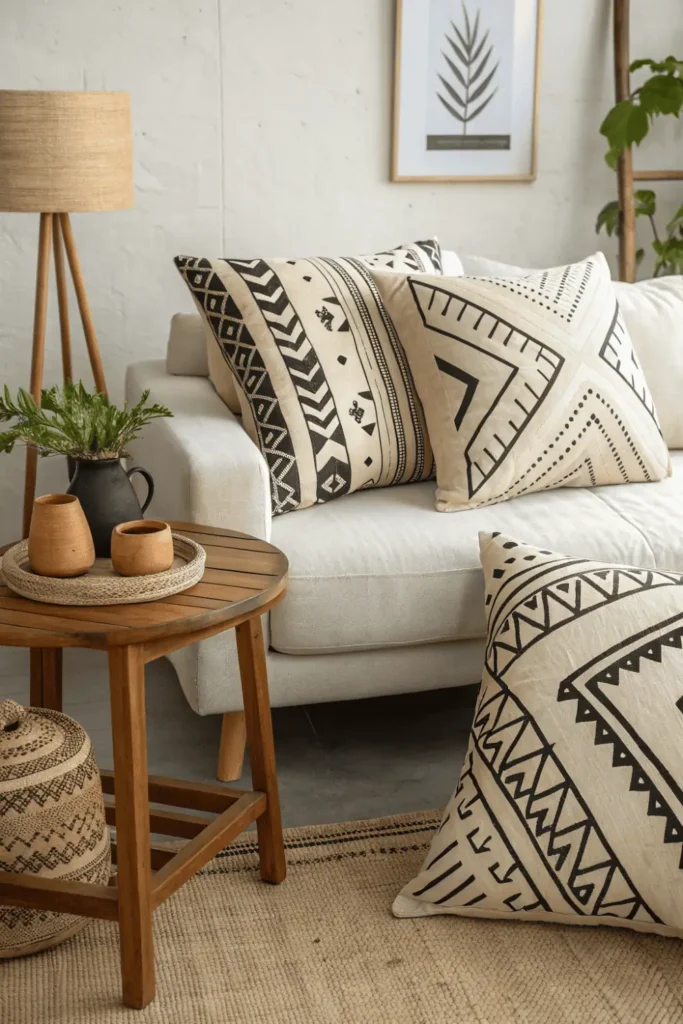
African mudcloth (bògòlanfini) from Mali features bold geometric patterns created with fermented mud on hand-woven cotton. This traditional textile brings striking black and white contrast that works beautifully in modern and eclectic spaces.
Mudcloth patterns carry cultural significance, with each symbol representing concepts like unity, fertility, or protection. Incorporating these textiles adds meaningful ethnic home decor that sparks conversation.
Pro Tip: Balance mudcloth’s bold patterns with neutral furniture and solid-colored accents to let the textile’s graphic quality shine.
4. Turkish Kilim Rugs and Runners
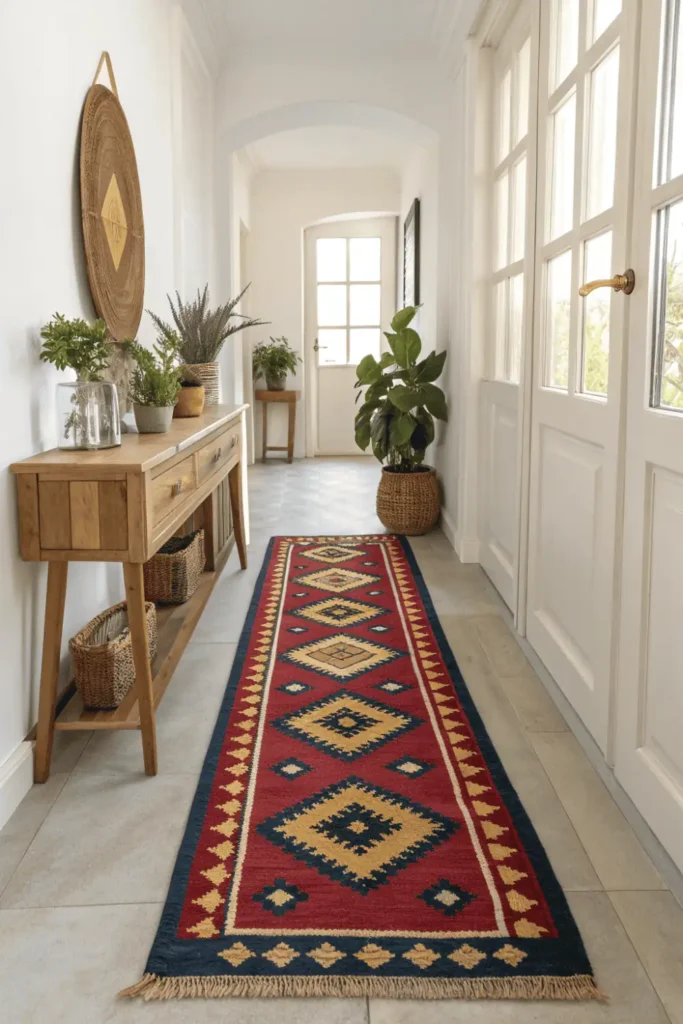
Kilim rugs are flat-woven textiles from Turkey featuring vibrant geometric patterns in red, blue, orange, and yellow. Unlike pile rugs, kilims are lightweight, reversible, and perfect for layering over existing flooring.
These handwoven rugs add instant warmth and character as ethnic home decor centerpieces. Traditional kilim patterns include diamonds, stripes, and stylized florals that complement both modern and traditional interiors.
Pro Tip: Use smaller kilim pieces as wall hangings or draped over furniture to add color and texture without committing to a large floor rug.
5. Mexican Talavera Pottery and Tiles
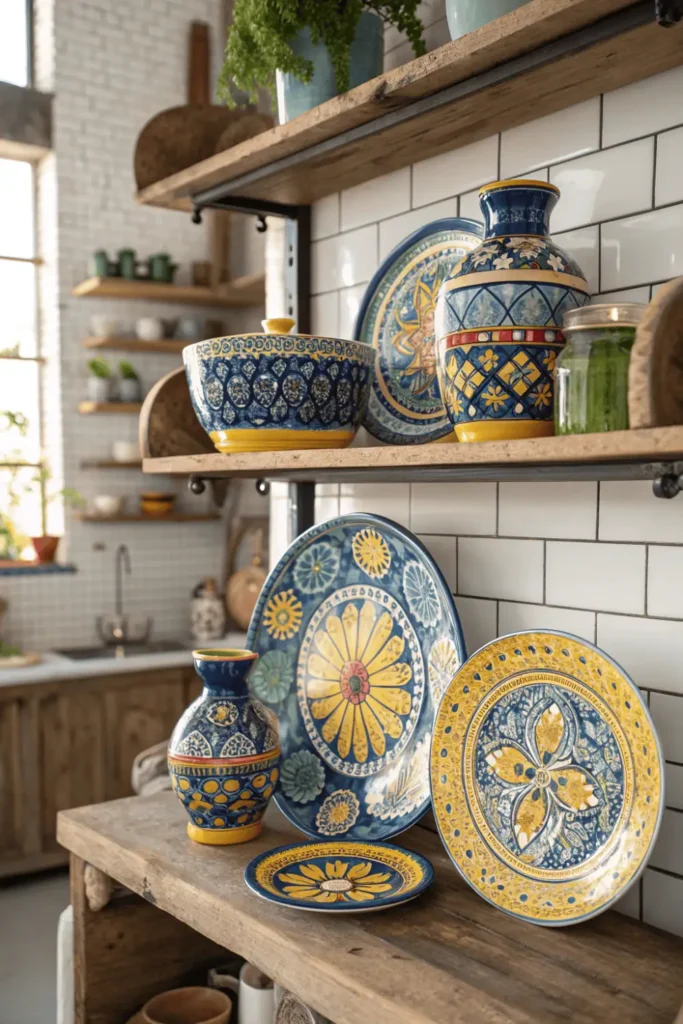
Talavera pottery from Puebla, Mexico features hand-painted ceramic pieces in brilliant blues, yellows, greens, and whites. These decorative plates, vases, and bowls add cheerful Mediterranean flair to kitchens and dining areas.
Talavera tiles create stunning backsplashes, stair risers, or accent walls with intricate floral and geometric designs. This ethnic home decor brings handcrafted artistry and vibrant color to functional spaces.
Pro Tip: Display Talavera plates on open shelving or create a gallery wall arrangement to showcase the intricate hand-painted details and bright glazes.
6. Japanese Shoji Screens and Room Dividers
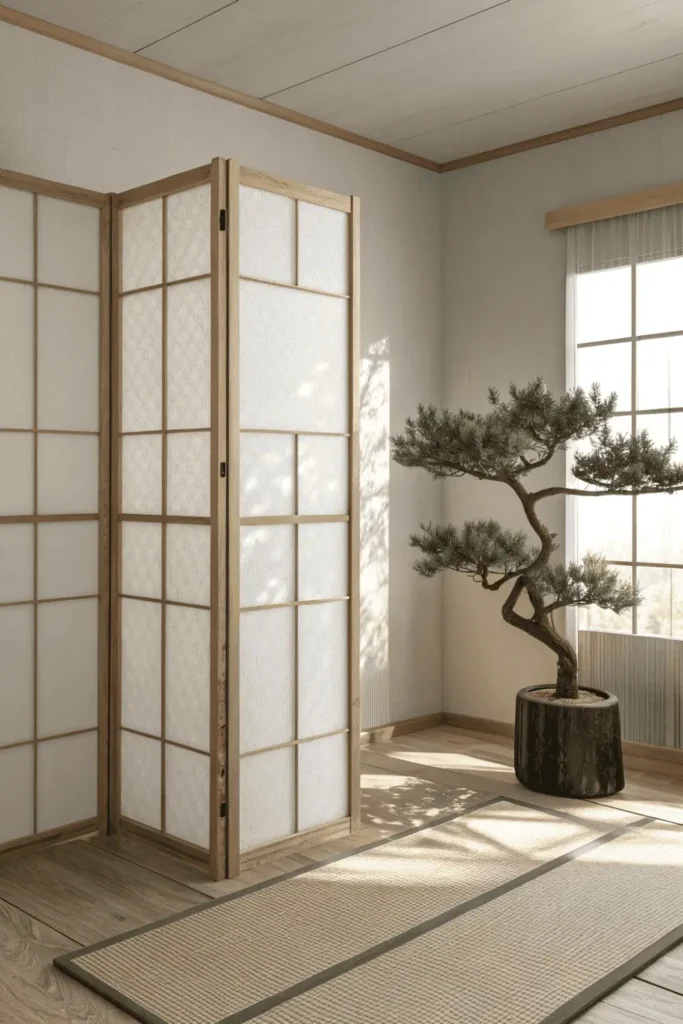
Shoji screens feature translucent paper panels set in wooden frames, creating elegant room dividers that filter light beautifully. These traditional Japanese pieces add zen-like tranquility and architectural interest to modern spaces.
Paper screens provide privacy without blocking natural light completely. Shoji-style ethnic home decor works wonderfully in bedrooms, studios, or open-plan living areas needing subtle separation.
Pro Tip: Position shoji screens near windows to create beautiful shadow patterns throughout the day, or use them to hide storage areas stylishly.
7. Persian and Oriental Area Rugs
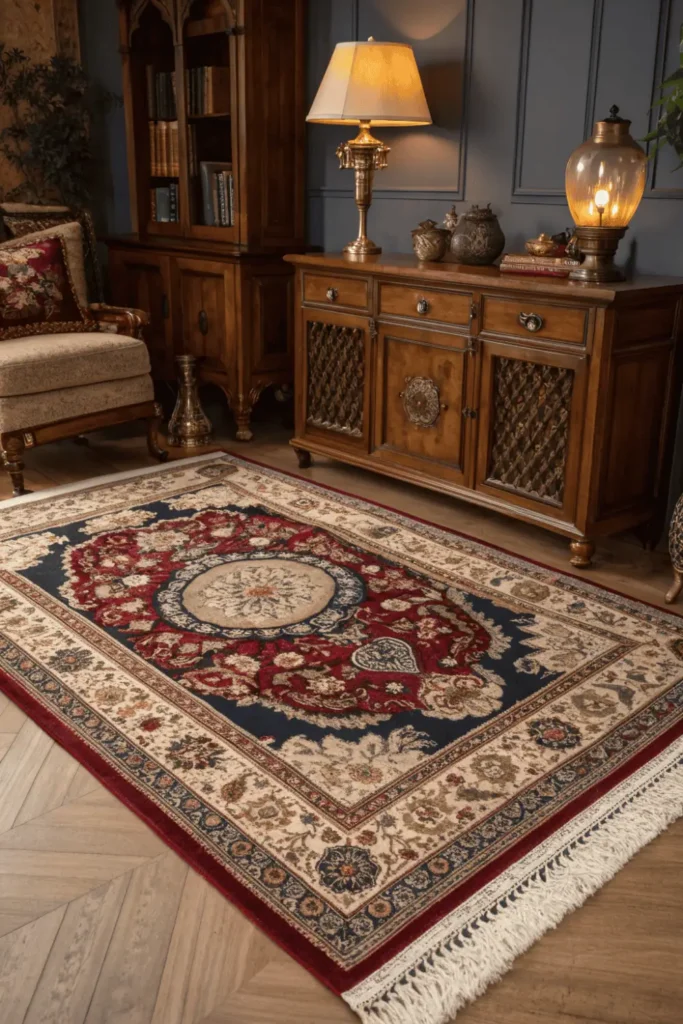
Persian rugs represent some of the finest handwoven textiles, featuring intricate floral medallions and rich jewel tones. These investment-quality pieces serve as timeless ethnic home decor that increases in value over decades.
Traditional Persian patterns include Herati, Boteh, and Gul motifs that add sophistication to any room. Hand-knotted rugs showcase exceptional craftsmanship with thousands of knots per square inch.
Pro Tip: Choose Persian rugs with colors that complement your existing palette—traditional reds work with warm schemes, while blues suit cooler interiors.
8. Balinese Carved Wood Decorative Panels
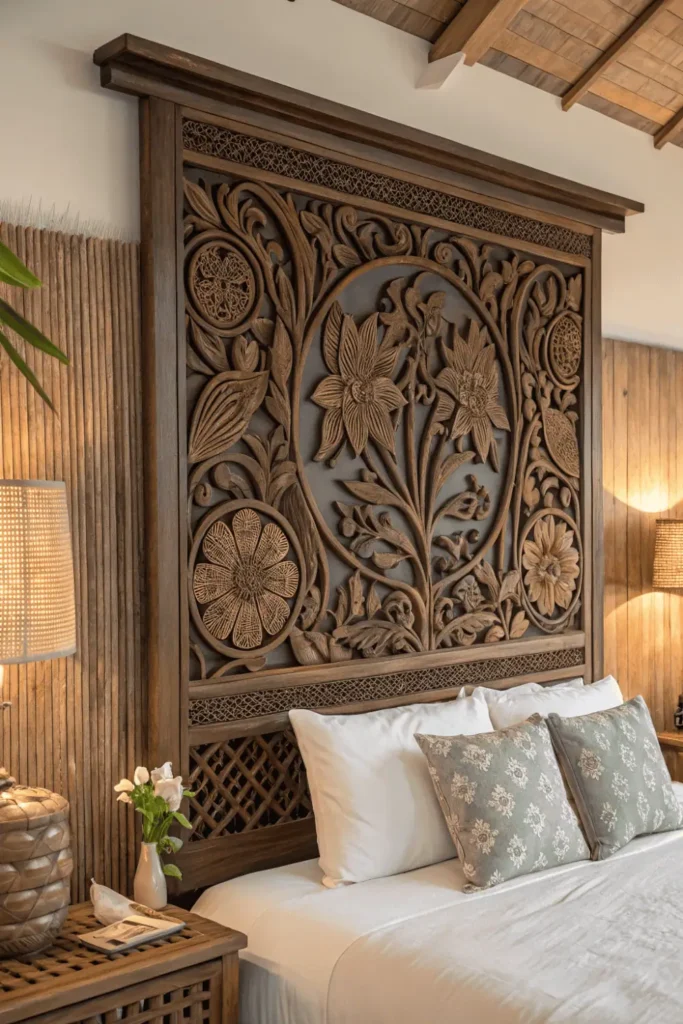
Balinese wood carvings feature intricate tropical motifs including lotus flowers, elephants, and nature scenes. These decorative wall panels bring exotic ethnic home decor that serves as functional art.
Hand-carved teak or mahogany panels add textural dimension and cultural richness. Traditional Balinese craftsmanship creates depth through layered relief carving techniques passed through generations.
Pro Tip: Mount carved panels above headboards, in entryways, or as statement pieces in dining rooms to create instant focal points with architectural interest.
9. Native American Woven Baskets and Textiles
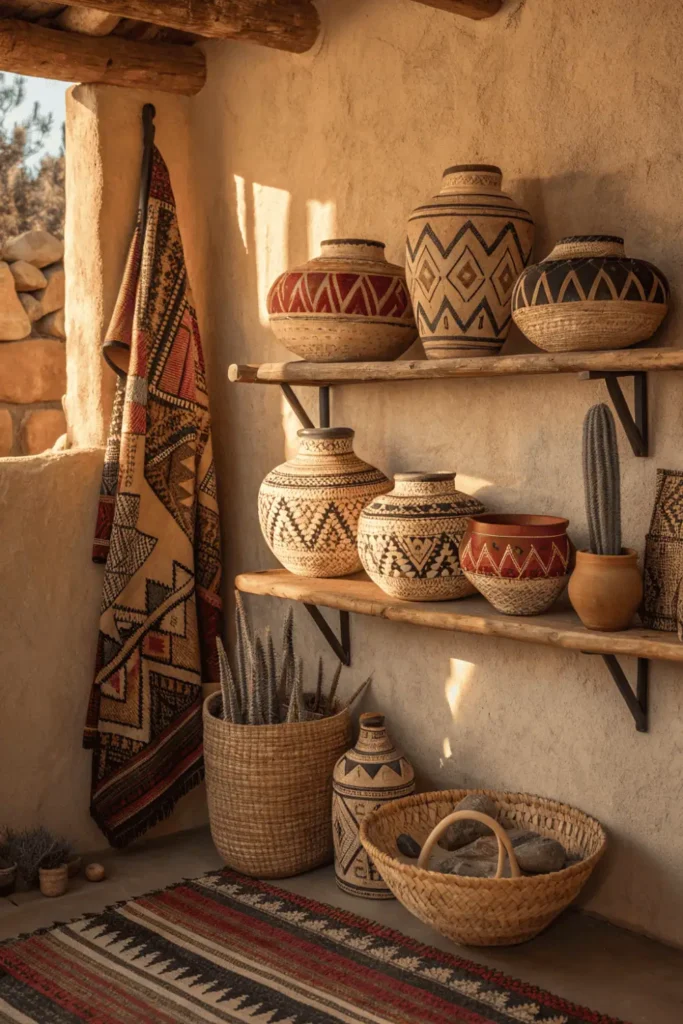
Native American baskets represent centuries-old weaving traditions using natural materials like sweetgrass, willow, and pine needles. These functional art pieces add authentic ethnic home decor through geometric patterns with tribal significance.
Southwestern textiles feature bold zigzag patterns in earth tones and turquoise. Navajo-style weavings work beautifully as wall hangings, throws, or table runners.
Pro Tip: Group baskets of varying sizes on open shelves or use larger baskets as decorative storage solutions that honor traditional craftsmanship.
10. Chinese Ceramic Garden Stools
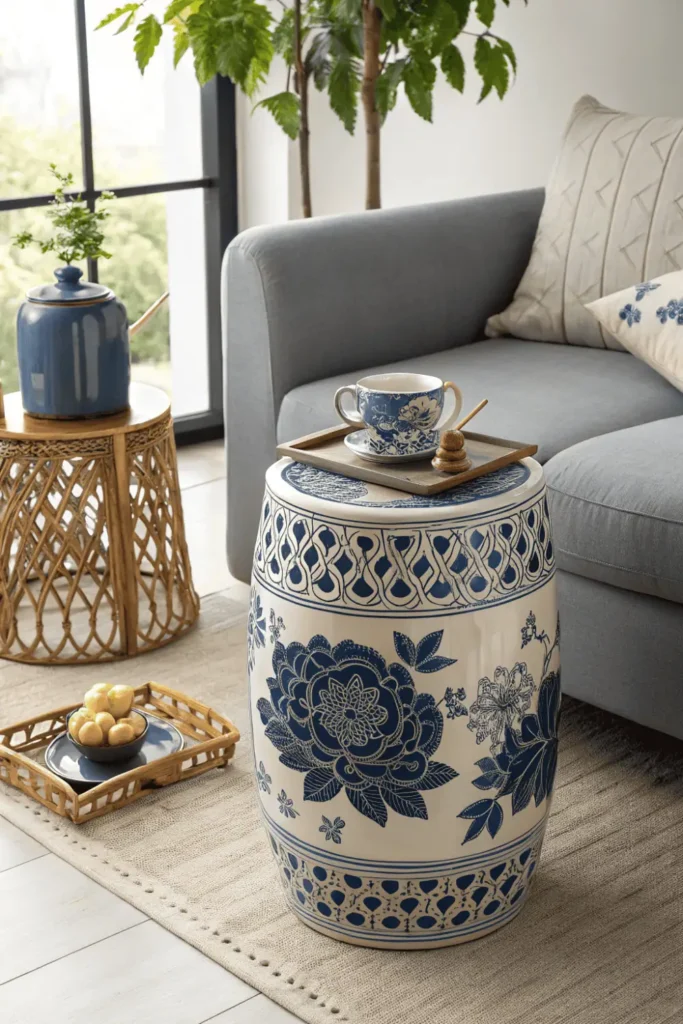
Chinese garden stools are versatile ceramic barrel-shaped pieces featuring hand-painted designs in blue and white or vibrant colors. These multifunctional items serve as side tables, plant stands, or extra seating.
Traditional motifs include dragons, peonies, and geometric fretwork. Garden stools bring elegant ethnic home decor that works indoors or outdoors in any design style from traditional to contemporary.
Pro Tip: Use garden stools in unexpected places like bathrooms for towel storage, bedrooms as nightstands, or patios as drink tables to maximize their versatility.
11. Indian Brass and Copper Vessels
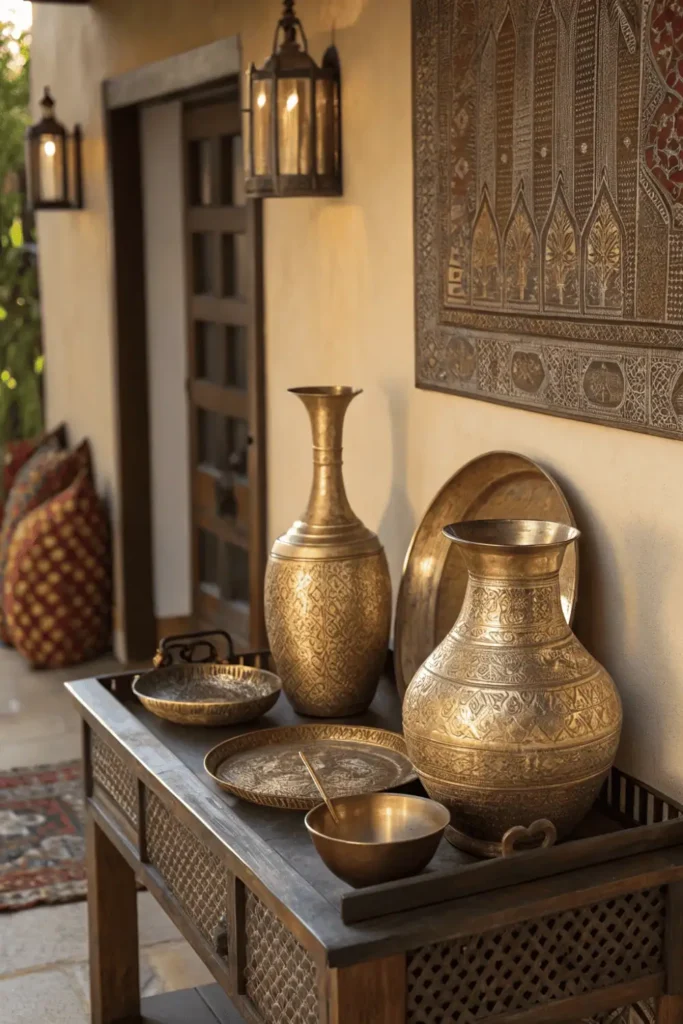
Brass and copper vessels from India include ornate pots, urns, and decorative trays with embossed patterns and hammered finishes. These metallic pieces add warm, reflective ethnic home decor elements.
Traditional uses include serving water, storing spices, or holding ceremonial items. Repurposed vessels work beautifully as planters, magazine holders, or standalone sculptural objects that catch light beautifully.
Pro Tip: Group brass pieces of different heights and finishes on a tray or shelf to create a cohesive metallic vignette with vintage appeal.
12. Thai Buddha Statues and Spiritual Decor
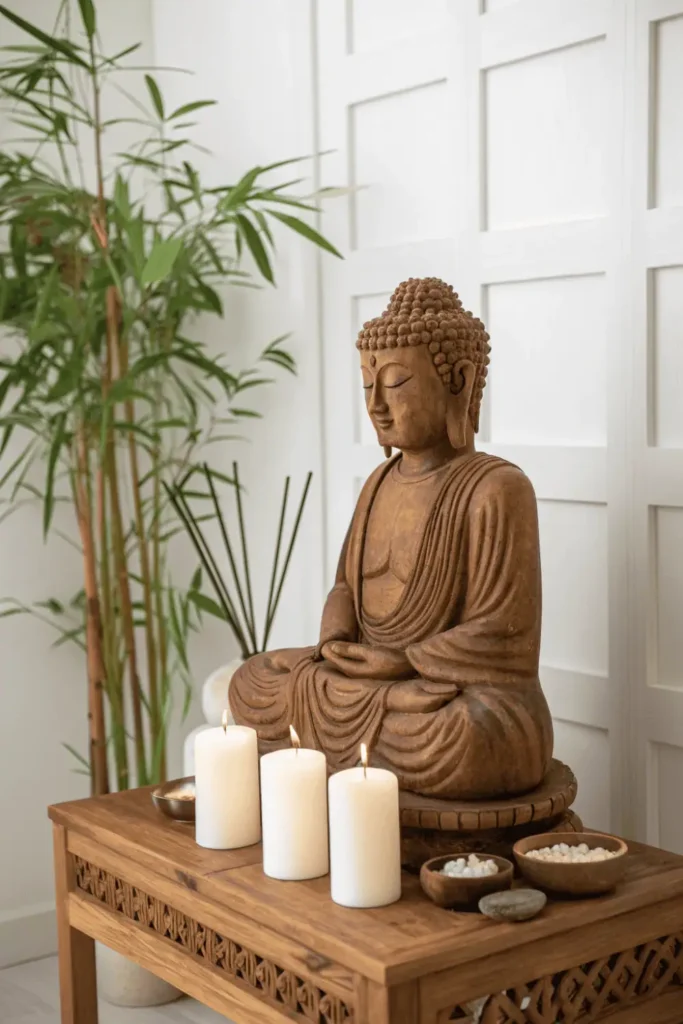
Buddha statues in various poses represent meditation, enlightenment, and peace, bringing calming spiritual energy to homes. These carved wood or stone figures add meaningful ethnic home decor that promotes tranquility.
Thai craftsmanship creates detailed faces and flowing robes in materials like teak, bronze, or soapstone. Respectful placement in quiet meditation corners, entryways, or gardens honors the spiritual significance.
Pro Tip: Place Buddha statues at eye level or higher in clean, uncluttered spaces, avoiding bathrooms or floors to show proper cultural respect.
13. African Tribal Masks and Wall Art
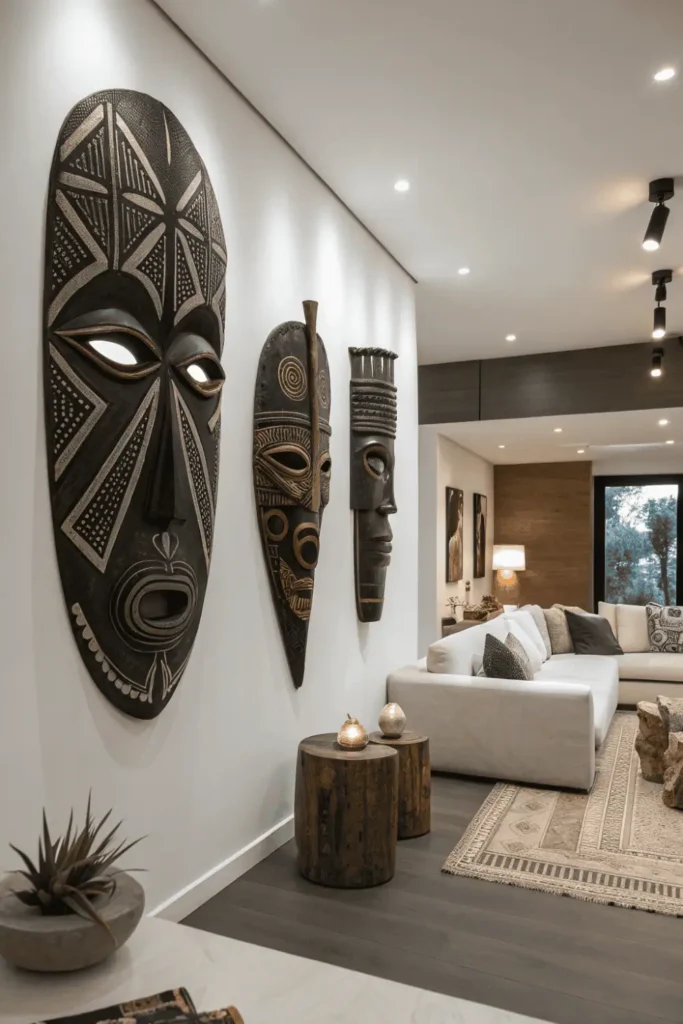
African tribal masks represent powerful cultural symbols from various regions, each with distinct styles and meanings. These carved wooden pieces serve as dramatic ethnic home decor that adds depth and conversation-starting artistry.
Traditional masks from West Africa feature elongated faces, geometric patterns, and symbolic colors. Display masks as gallery-style wall arrangements or as standalone statement pieces.
Pro Tip: Research the cultural significance and proper display of masks to honor their origins—group masks from the same region or style tradition for authentic presentation.
Why Ethnic Home Decor Is Worth the Investment
Ethnic home decor provides lasting value through exceptional craftsmanship that withstands trends and time. Handcrafted pieces often appreciate in value, especially authentic antiques and artisan-made textiles that become family heirlooms.
Investing in ethnic home decor supports traditional artisan communities and preserves cultural heritage that might otherwise disappear. Your purchase directly impacts craftspeople who depend on these traditional skills for their livelihoods.
Quality ethnic pieces offer unique character impossible to replicate with mass-produced items. Authentic ethnic home decor transforms generic spaces into personalized sanctuaries filled with stories, meaning, and global connections.
Things to Consider Before Choosing Ethnic Home Decor
Authenticity matters when selecting ethnic home decor—research origins and look for fair-trade certifications to ensure you’re purchasing genuine pieces from legitimate sources. Reproductions lack the soul and quality of authentic items.
Cultural sensitivity is essential when incorporating ethnic home decor from traditions not your own. Educate yourself about the significance of patterns, symbols, and items to display them respectfully rather than appropriating sacred objects.
Scale and proportion require careful consideration with ethnic home decor since bold patterns and colors can overwhelm small spaces. Start with smaller accent pieces and gradually layer in larger items as you develop your design vision.
Comparison Table of Ethnic Home Decor
| Item Type | Price Range | Durability | Maintenance | Best For | Lead Time |
| Moroccan Poufs | $80-$250 | High (leather) | Low – spot clean | Casual seating, footrests | 2-4 weeks |
| Indian Block-Print Textiles | $30-$150 | Medium | Low – gentle wash | Pillows, curtains, throws | 1-3 weeks |
| African Mudcloth | $60-$200 | High | Medium – dry clean | Modern spaces, pillows | 3-6 weeks |
| Turkish Kilim Rugs | $150-$800 | High | Low – vacuum | Floors, wall hangings | 2-6 weeks |
| Talavera Pottery | $40-$300 | High | Low – hand wash | Kitchens, display | 2-4 weeks |
| Shoji Screens | $200-$800 | Medium | Low – dust gently | Room dividers, privacy | 4-8 weeks |
| Persian Rugs | $500-$5,000+ | Very High | Medium – professional clean | Investment pieces, living rooms | 4-12 weeks |
| Balinese Carved Panels | $150-$600 | High | Low – dust | Wall art, headboards | 4-8 weeks |
| Native American Baskets | $80-$500 | High | Low – dust | Storage, wall display | 3-6 weeks |
| Chinese Garden Stools | $100-$400 | High | Low – wipe clean | Side tables, stools | 2-4 weeks |
| Indian Brass Vessels | $50-$300 | Very High | Medium – polish | Decorative accents, planters | 2-4 weeks |
| Thai Buddha Statues | $60-$500 | High | Low – dust | Meditation spaces, entryways | 3-6 weeks |
| African Tribal Masks | $80-$600 | High | Low – dust | Wall art, collections | 4-8 weeks |
Frequently Asked Questions About Ethnic Home Decor
How do I incorporate ethnic home decor without cultural appropriation?
Educate yourself about the cultural significance of ethnic home decor items before purchasing and displaying them. Research the origins, traditional uses, and meanings of patterns, symbols, and objects to ensure respectful incorporation.
Avoid sacred or ceremonial items meant for specific cultural or religious practices. Purchase directly from artisans or fair-trade sources that support the originating communities rather than mass-market reproductions.
Display ethnic home decor with intention and context, creating thoughtful arrangements that honor rather than trivialize cultural traditions. Combine pieces mindfully rather than creating “theme park” spaces that stereotype cultures.
What are the best ways to mix ethnic home decor styles?
Stick to a cohesive color palette when mixing different ethnic home decor styles to create visual harmony. Choose three to four main colors that appear across multiple pieces from different cultures.
Balance bold patterns with solid colors and neutral spaces to prevent visual overwhelm. Layer ethnic home decor gradually, starting with one or two statement pieces per room and building from there.
Respect style weight by ensuring no single culture dominates—mix Indian textiles with Moroccan poufs and African baskets for eclectic global style. Use neutral furniture as a foundation that allows ethnic pieces to shine.
Where can I find authentic ethnic home decor?
Shop directly from artisan marketplaces and fair-trade organizations that connect buyers with ethnic home decor makers. Websites like Ten Thousand Villages, Novica, and Etsy’s handmade sections feature authentic pieces.
Visit ethnic neighborhoods in major cities where import shops carry genuine items from specific cultures. Travel opportunities offer the chance to purchase ethnic home decor directly from the source countries and artisans.
Check estate sales and antique shops for vintage ethnic home decor pieces with authentic provenance. Research sellers thoroughly and request information about origins, makers, and fair-trade practices before purchasing.
How do I care for ethnic home decor textiles and items?
Ethnic home decor textiles require gentle care to preserve natural dyes and handwoven construction. Vacuum rugs regularly using low suction and rotate them to ensure even wear and sun exposure.
Spot clean spills immediately on kilims, mudcloth, and block-printed fabrics using mild soap and water. Professional cleaning is recommended for valuable rugs and large textiles every few years.
Dust carved wood and brass items regularly with soft cloths to prevent buildup. Polish brass and copper pieces occasionally using natural cleaners like lemon juice and salt, or commercial metal polishes designed for antique finishes.