Antique house decor brings timeless elegance and rich history into modern homes, creating spaces that feel both sophisticated and deeply personal. These carefully preserved pieces from decades or centuries past add character that new furniture simply cannot replicate.
Incorporating vintage furnishings and decorative objects tells a story in every room. Each antique carries its own history, craftsmanship, and unique patina developed over years of use.
Whether you’re a seasoned collector or just beginning to explore antique house decor, these classic pieces transform ordinary spaces into extraordinary living environments filled with warmth and authenticity.
List of 13 Best Antique House Decor Ideas
1. Victorian-Era Ornate Mirrors with Gilded Frames

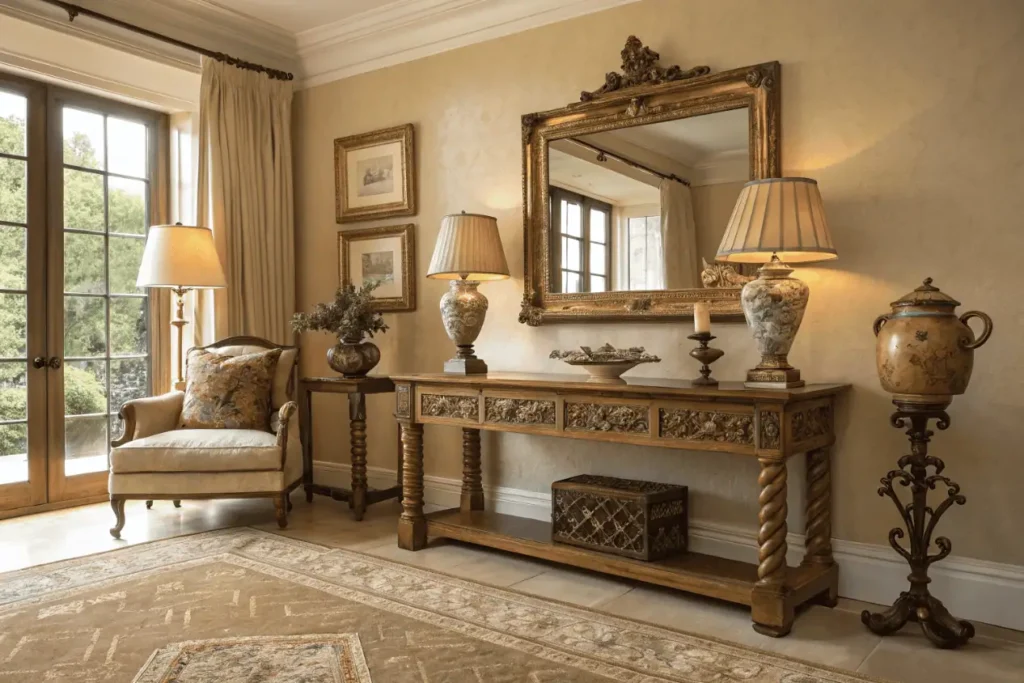
Victorian mirrors feature elaborate gold-leaf frames with intricate carved details that instantly elevate any room’s sophistication. These statement pieces reflect light beautifully while serving as stunning focal points above mantels, console tables, or in entryways.
The ornate detailing characteristic of Victorian craftsmanship includes floral motifs, scrollwork, and beveled glass that modern reproductions struggle to match. Authentic pieces from the 1830s-1900s showcase superior mirror quality with slight imperfections that add to their charm.
Pro Tip: Position antique mirrors opposite windows to maximize natural light reflection and make rooms feel larger while showcasing the frame’s intricate details.
2. French Provincial Armoires and Wardrobes

French Provincial armoires combine functionality with stunning aesthetic appeal through their carved wood exteriors and spacious interiors. These versatile pieces originally designed for clothing storage now serve beautifully as entertainment centers, linen closets, or bar cabinets.
The distinctive features include curved lines, cabriole legs, and hand-carved floral or pastoral scenes typical of 18th-century French countryside furniture. Authentic pieces showcase solid wood construction (often walnut or oak) with dovetail joinery that has survived centuries.
Many homeowners repurpose these antiques by removing shelves to accommodate modern televisions or adding wine racks for home bar conversions.
Pro Tip: Before purchasing, measure doorways carefully—these substantial pieces often won’t fit through standard modern door frames and may require professional disassembly.
3. Crystal Chandeliers from the Art Deco Period
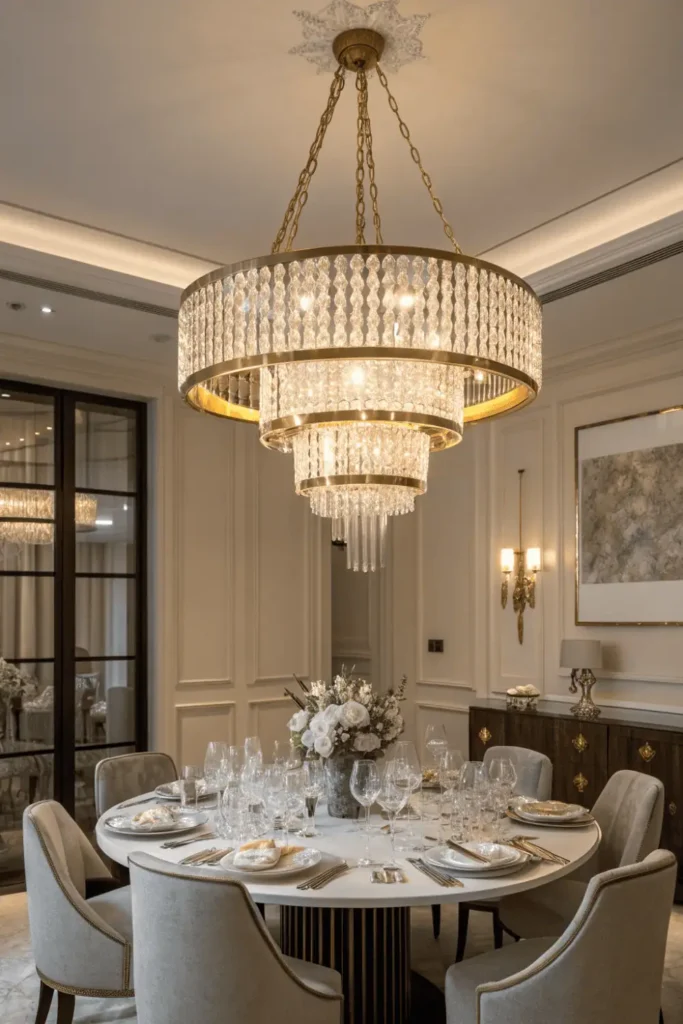
Art Deco crystal chandeliers (1920s-1930s) feature geometric designs and cascading crystals that create spectacular light displays while maintaining period-appropriate elegance. These fixtures showcase superior hand-cut crystal prisms that refract light into rainbow patterns across ceilings and walls.
The quality of vintage crystals surpasses most modern reproductions in clarity and brilliance. Authentic pieces often feature brass or nickel-plated frames with symmetrical designs reflecting the Art Deco movement’s emphasis on glamour and modernity.
Pro Tip: Have antique chandeliers professionally rewired to meet current electrical codes while preserving original fixtures—never attempt electrical work on antiques yourself.
4. Antique Persian and Oriental Rugs
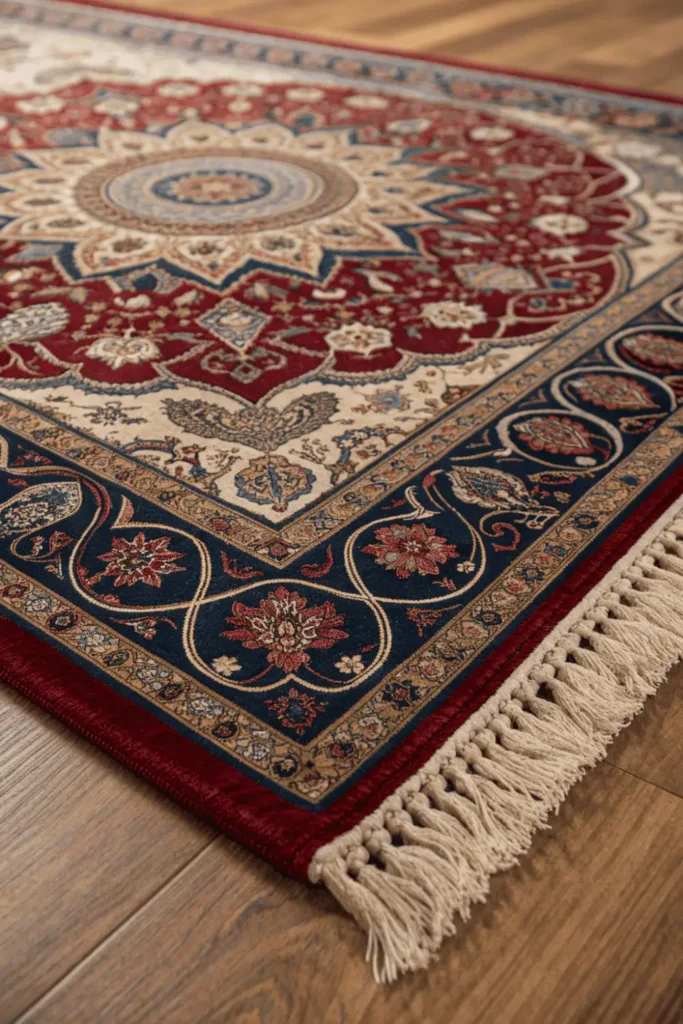
Authentic Persian rugs represent some of the most valuable antique house decor investments, with hand-knotted pieces appreciating in value over time. These textiles feature intricate patterns, natural dyes, and exceptional craftsmanship requiring months or years to complete.
Genuine antique rugs (over 100 years old) display unique color variations and slight irregularities that distinguish them from machine-made reproductions. The wool quality and knot density of vintage rugs far exceeds modern alternatives, resulting in exceptional durability and rich textures.
Pro Tip: Rotate antique rugs every 6-12 months to ensure even wear patterns and avoid permanent fading in high-traffic areas or sunlight exposure.
5. Vintage Apothecary Cabinets and Medicine Chests

Apothecary cabinets with their numerous small drawers provide exceptional storage while adding pharmaceutical history charm to modern homes. These functional pieces originally housed medicines and herbs in 19th-century pharmacies and doctor’s offices.
The brass label holders and glass knobs characteristic of authentic pieces create visual interest and practical organization. Modern homeowners use these versatile cabinets for craft supplies, jewelry, office materials, or actual bathroom storage.
Many antique apothecary cabinets feature solid wood construction with dovetail drawers that glide smoothly despite their age.
Pro Tip: Use small adhesive labels inside drawers to maintain organization without damaging the antique brass label holders on drawer fronts.
6. Victorian Velvet Tufted Settees and Fainting Couches

Victorian settees showcase deep button tufting and luxurious velvet upholstery that epitomize 19th-century elegance and comfort. These distinctive pieces feature curved wooden frames often made from mahogany or walnut with carved details on legs and armrests.
The iconic rolled arms and curved backs of authentic Victorian seating provide both beauty and surprising comfort. Many pieces retain original horsehair stuffing beneath reupholstered fabrics, maintaining period-appropriate firmness.
Pro Tip: When reupholstering antique settees, save and store original fabric samples for documentation and potential restoration to preserve the piece’s historical value.
7. Antique Brass and Copper Kitchen Accessories
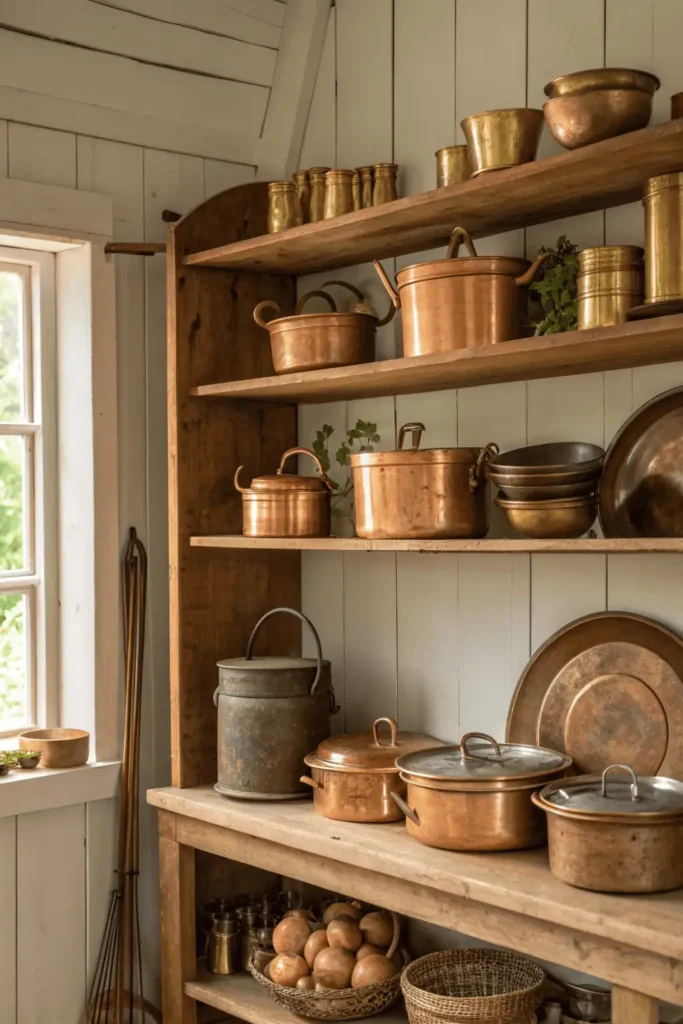
Vintage brass and copper pieces bring warmth and character to kitchens through their rich patina and handcrafted quality. These items include measuring cups, molds, pots, trivets, and utensil holders that function beautifully while serving as decorative elements.
The natural aging process creates unique color variations and surface character impossible to replicate in new items. Authentic antique copper cookware often features hand-hammered textures and tin linings from traditional craftsmanship methods.
Pro Tip: Clean copper and brass gently with lemon and salt to maintain beautiful patina without removing the desirable aged character that makes these pieces valuable.
8. Hand-Painted Porcelain Wash Basin Sets

Antique porcelain wash basin and pitcher sets feature delicate hand-painted floral designs that transform bathrooms into elegant vintage sanctuaries. These Victorian-era pieces showcase exceptional craftsmanship with gilt accents and detailed botanical illustrations.
Original sets from the late 1800s often include matching soap dishes and toothbrush holders. While no longer practical for daily washing, these beautiful pieces make stunning decorative displays on bathroom vanities or bedroom dressers.
The fine porcelain quality and artistic detailing of authentic pieces far surpasses modern bathroom accessories.
Pro Tip: Display wash basin sets on doily-protected surfaces to prevent scratching antique porcelain bases while adding period-appropriate textile elements.
9. Art Nouveau Stained Glass Windows and Panels
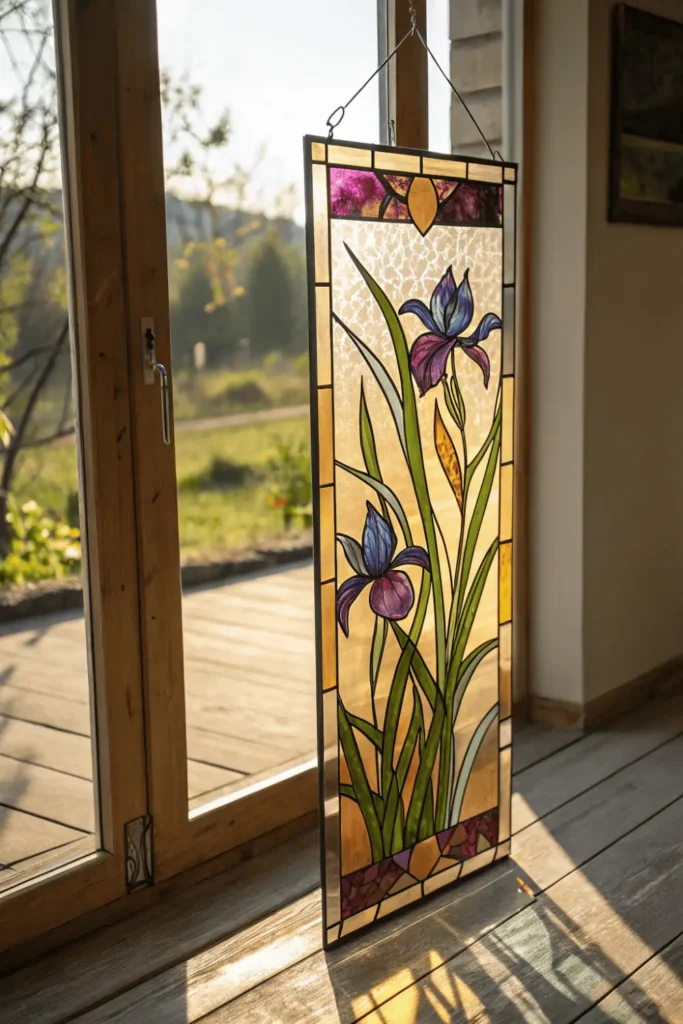
Art Nouveau stained glass (1890-1910) features flowing organic lines and nature-inspired motifs that capture light in breathtaking ways. These artistic pieces showcase skilled glasswork techniques including beveling, painting, and leading that create movement and dimension.
Authentic panels display the characteristic whiplash curves and botanical themes of the Art Nouveau movement. Many homeowners hang these treasures in windows, incorporate them into cabinet doors, or display them on easels as standalone art.
Pro Tip: Install UV-protective acrylic over antique stained glass displayed in direct sunlight to prevent paint deterioration while maintaining the piece’s visual impact.
10. Colonial-Era Wooden Blanket Chests and Trunks

Colonial blanket chests provide substantial storage capacity while showcasing early American craftsmanship through hand-forged hardware and solid wood construction. These practical pieces from the 1700s-1800s feature dovetail joinery that remains sturdy centuries later.
Many authentic chests display original paint colors, brass hinges, and hand-carved initials or dates documenting their history. Modern uses include coffee tables, toy storage, or traditional blanket storage at bed footboards.
The rich wood patina developed over centuries adds warmth and character impossible to achieve with new furniture.
Pro Tip: Line antique wooden chests with acid-free tissue paper before storing textiles to prevent wood acids from damaging fabrics while maintaining historical integrity.
11. Vintage Botanical Prints and Framed Herbarium Art
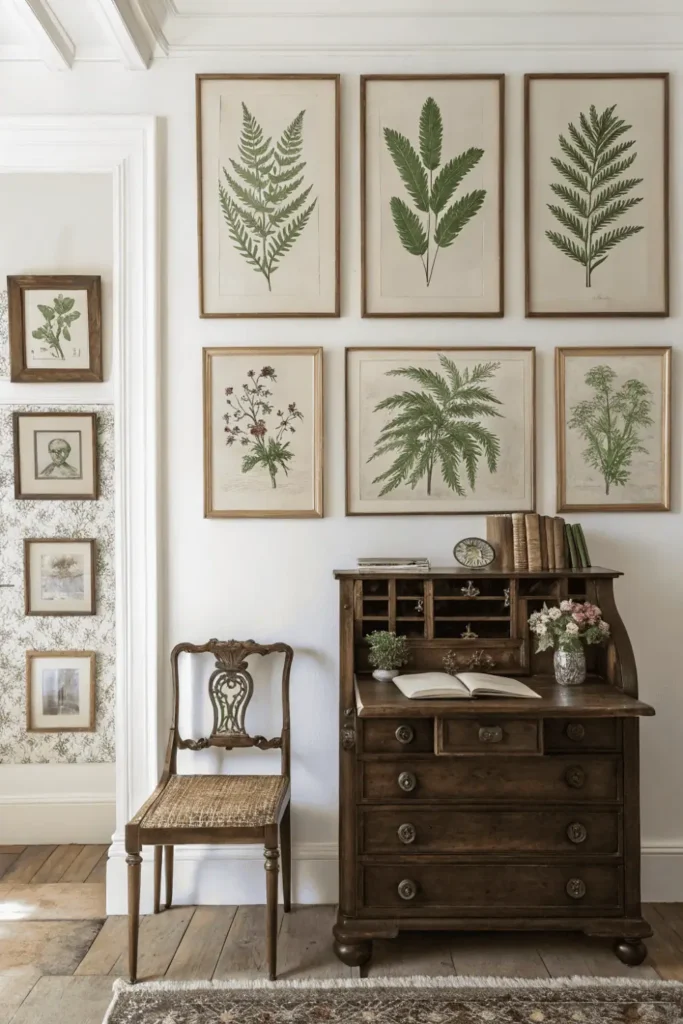
Antique botanical prints from the 18th and 19th centuries showcase exquisite hand-colored illustrations created for scientific documentation before photography existed. These detailed engravings and lithographs feature remarkable accuracy and artistic beauty.
Original prints display age-appropriate paper yellowing and printing techniques like copperplate engraving visible under magnification. Framed collections create stunning gallery walls that bring natural elements and scholarly elegance to any room.
Pro Tip: Frame antique botanical prints with UV-protective glass and acid-free matting to preserve paper quality while preventing further fading of delicate hand-coloring.
12. Edwardian Mahogany Display Cabinets with Glass Doors

Edwardian display cabinets (1901-1910) feature elegant proportions and refined details perfect for showcasing collectibles, china, or decorative objects. These pieces showcase inlaid wood designs, curved glass panels, and adjustable shelving behind glazed doors.
The superior mahogany quality and sophisticated brass hardware characteristic of Edwardian furniture reflect the period’s emphasis on understated elegance. Many cabinets include interior lighting provisions that can be updated with modern LED systems.
Pro Tip: Place antique display cabinets away from direct sunlight and heating vents to prevent wood warping and finish deterioration while protecting displayed items.
13. Vintage Cast Iron Architectural Salvage Elements
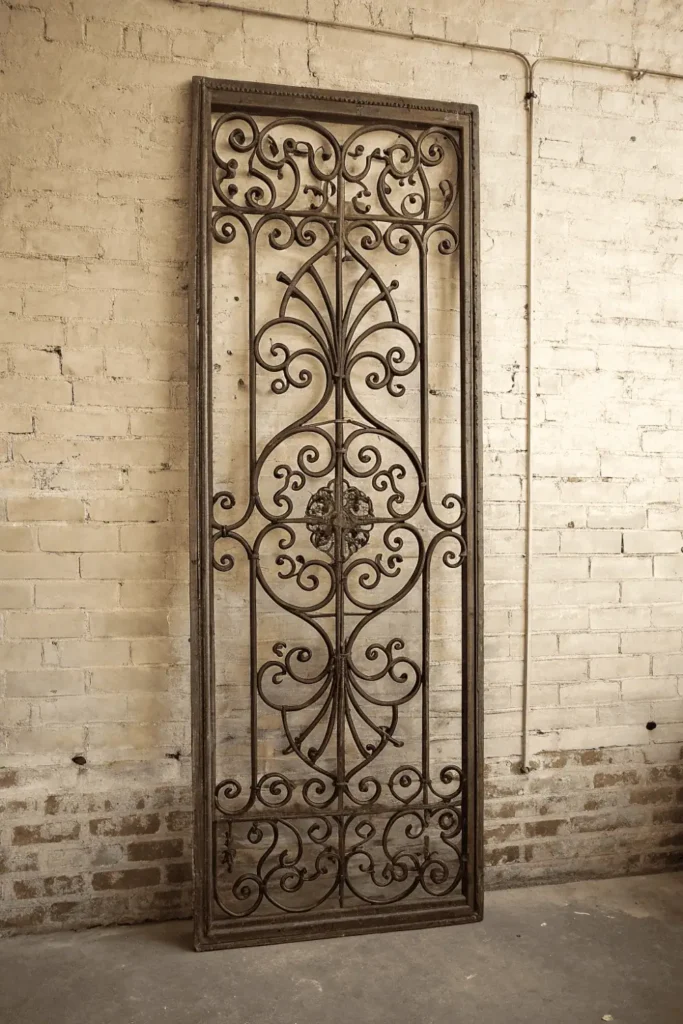
Architectural salvage pieces including cast iron radiator covers, gates, and decorative brackets add industrial charm and historical character to antique house decor schemes. These substantial pieces showcase ornate casting details from buildings demolished decades ago.
Authentic cast iron displays the surface texture and weight that distinguish it from modern reproductions. Many homeowners incorporate these elements as headboards, room dividers, wall art, or functional gates and railings.
The durability of cast iron ensures these pieces remain structurally sound despite their age.
Pro Tip: Clean antique cast iron with wire brushes and seal with clear wax or appropriate metal coating to prevent rust while preserving original surface character and patina.
Why Antique House Decor Items Are Worth the Investment
Antique house decor pieces appreciate in value over time, unlike mass-produced modern furniture that depreciates immediately after purchase. Authentic antiques represent tangible assets that can be passed down through generations while maintaining or increasing their monetary worth.
The superior craftsmanship and materials found in genuine antiques far exceed modern manufacturing standards. Hand-carved details, solid wood construction, and traditional joinery techniques create furniture that lasts centuries rather than years, making antiques more sustainable and environmentally responsible choices.
Antique house decor provides irreplaceable aesthetic and emotional value that transforms houses into homes with character and history. Each piece tells a story and creates unique spaces that reflect personal taste rather than following temporary trends, resulting in timeless interiors that never feel dated.
Things to Consider Before Choosing Antique House Decor
Authenticity verification is crucial when investing in antique house decor—learn to identify genuine pieces through construction techniques, materials, and aging patterns. Work with reputable dealers, request provenance documentation, and consider professional appraisals for significant purchases to avoid costly reproductions.
Condition assessment and restoration costs significantly impact overall investment value for antique house decor items. Evaluate structural soundness, finish condition, and whether restoration enhances or diminishes value—some wear adds desirable patina while severe damage requires expensive professional restoration.
Practical considerations including size, maintenance requirements, and lifestyle compatibility determine whether specific antique house decor pieces work for your home. Delicate antiques may not suit households with young children or pets, while some pieces require climate-controlled environments and specialized cleaning methods to preserve their condition.
Comparison Table of Antique House Decor
| Item Type | Price Range | Durability | Maintenance | Best For | Lead Time |
| Victorian Mirrors | $200-$2,000+ | High | Low – dust regularly | Entryways, living rooms | Immediate – 2 weeks |
| French Armoires | $800-$5,000+ | Very High | Medium – occasional waxing | Bedrooms, living rooms | 1-4 weeks |
| Crystal Chandeliers | $500-$8,000+ | High | Medium – annual cleaning | Dining rooms, foyers | 2-6 weeks |
| Persian Rugs | $1,000-$50,000+ | Very High | Medium – professional cleaning | Living rooms, dining rooms | Immediate – 3 weeks |
| Apothecary Cabinets | $300-$3,000+ | High | Low – dust drawers | Kitchens, bathrooms, craft rooms | Immediate – 2 weeks |
| Victorian Settees | $600-$4,000+ | High | Medium – reupholstery needs | Living rooms, bedrooms | 2-8 weeks |
| Brass/Copper Kitchen Items | $50-$500+ | Very High | Medium – polish occasionally | Kitchens, dining areas | Immediate – 1 week |
| Porcelain Basin Sets | $150-$1,500+ | Medium | Low – gentle cleaning | Bathrooms, bedrooms | Immediate – 2 weeks |
| Stained Glass Panels | $300-$5,000+ | Medium | Low – dust gently | Windows, walls, cabinets | 1-4 weeks |
| Colonial Chests | $400-$3,000+ | Very High | Low – occasional waxing | Bedrooms, living rooms | Immediate – 3 weeks |
| Botanical Prints | $100-$2,000+ | Medium | Low – avoid sunlight | Any room, gallery walls | Immediate – 1 week |
| Display Cabinets | $500-$4,000+ | High | Low – dust shelves | Dining rooms, living rooms | 1-4 weeks |
| Cast Iron Salvage | $100-$2,000+ | Very High | Medium – prevent rust | Any room, outdoor spaces | Immediate – 2 weeks |
Frequently Asked Questions About Antique House Decor
How can I tell if antique house decor is authentic or reproduction?
Authentic antique house decor displays specific aging characteristics including natural wear patterns, period-appropriate construction techniques, and materials consistent with the claimed era. Look for hand-cut dovetail joints, irregularities in hand-carved details, and tool marks inconsistent with modern machinery.
Examine wood grain, patina development, and hardware style to verify age—genuine antiques show wear in logical places from years of use. Reproductions often have artificially distressed finishes, machine-perfect joinery, and hardware that doesn’t match the period style.
Consult experts, request provenance documentation, and research maker’s marks to verify authenticity before investing in expensive antique house decor pieces.
Where can I find quality antique house decor pieces?
Antique house decor can be sourced from estate sales, reputable antique dealers, auction houses, and specialized antique shows where experts authenticate pieces. Estate sales often offer excellent values as families liquidate entire households, while established dealers provide expertise and guarantees.
Online marketplaces like 1stDibs, Chairish, and Ruby Lane specialize in authenticated antiques with detailed descriptions and provenance. Local antique malls allow you to physically inspect pieces before purchasing, which is ideal for assessing condition and authenticity.
Building relationships with dealers helps you access pieces before they reach showroom floors—many dealers contact trusted clients when acquiring significant antique house decor items.
How should I care for and maintain antique house decor?
Antique house decor requires gentle cleaning methods using soft cloths, appropriate wood polishes, and pH-neutral cleaners that won’t damage delicate finishes or surfaces. Avoid harsh chemicals, excessive moisture, and abrasive materials that can harm patina and reduce value.
Control environmental conditions by maintaining consistent temperature and humidity levels—dramatic fluctuations cause wood to crack and finishes to deteriorate. Keep antiques away from direct sunlight, heating vents, and air conditioning units that accelerate aging and fading.
Regular dusting and occasional applications of furniture wax preserve antique house decor while professional conservation may be necessary for valuable or damaged pieces to maintain their integrity and value.
Is antique house decor suitable for homes with children and pets?
Antique house decor can absolutely work in family homes with thoughtful placement and strategic choices about which pieces to incorporate. Select sturdier antiques like wooden chests, solid tables, and cast iron elements for high-traffic areas while reserving delicate porcelain and glass pieces for adult spaces.
Position fragile antique house decor items on higher shelves or in display cabinets beyond reach of small children and curious pets. Use museum gel to secure decorative objects and consider slipcovers on antique upholstered furniture to protect original textiles from spills and wear.
Many families successfully blend antiques with active lifestyles by choosing durable pieces and teaching children to appreciate and respect valuable historical items as part of their home environment.