
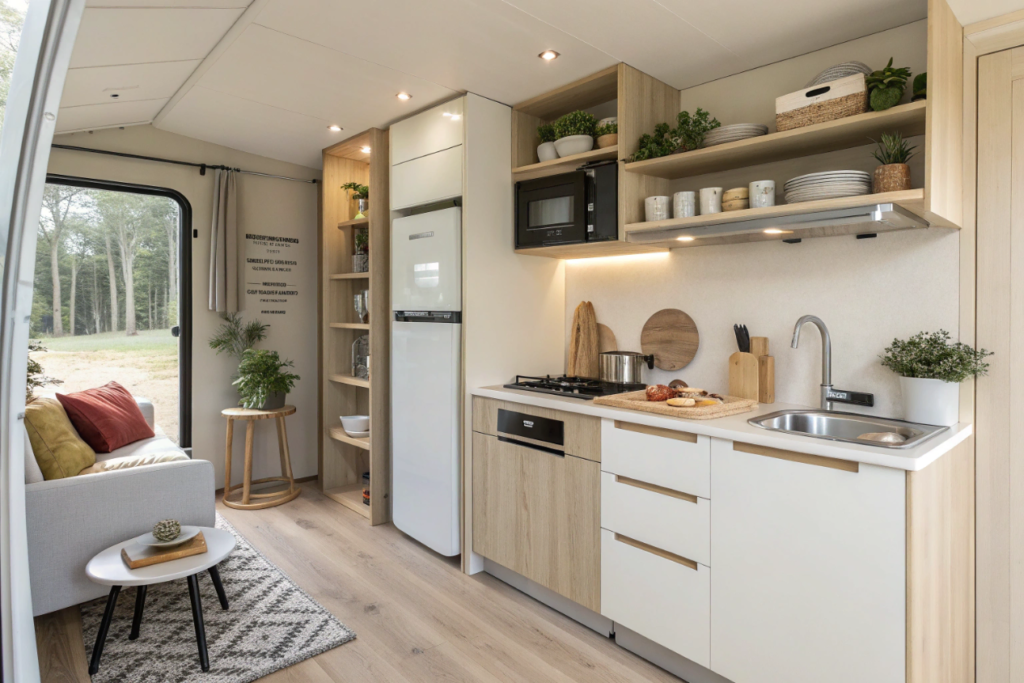
A mini kitchen can transform any small space into a functional cooking area. Whether you’re designing a studio apartment, office break room, or guest suite, these compact solutions deliver full functionality without sacrificing precious square footage.
Modern mini kitchens combine innovative design with practical features that meet everyday cooking needs. From all-in-one units to modular systems, today’s options offer surprising versatility and style.
Finding the right mini kitchen means balancing size constraints with your actual cooking requirements and aesthetic preferences.
List of 11 Best Mini Kitchens
1. Compact All-in-One Studio Kitchen Unit
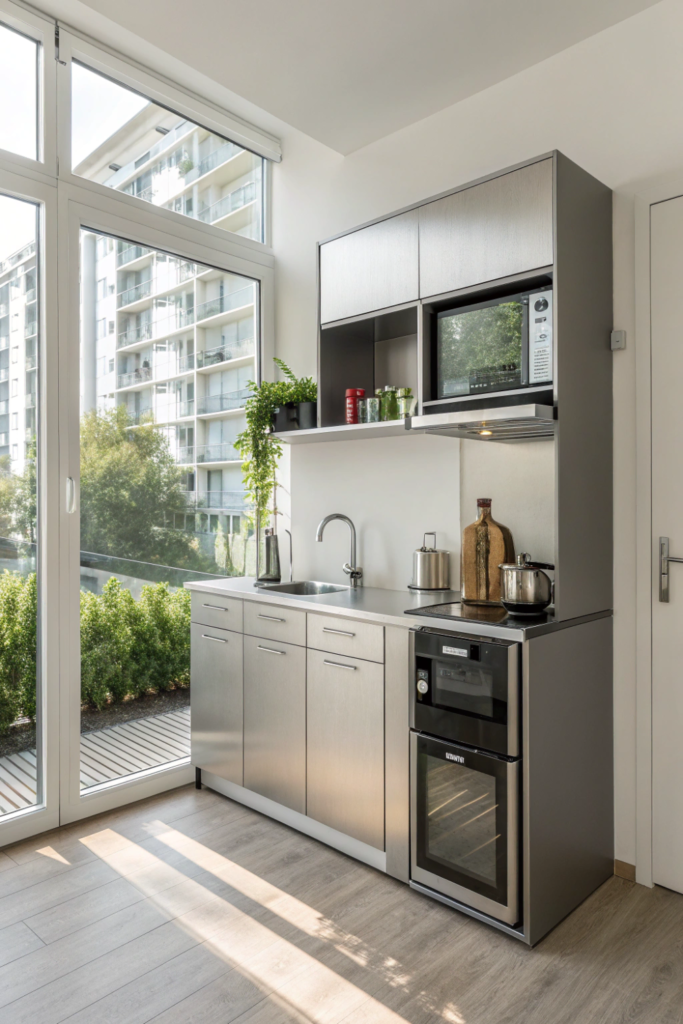
The all-in-one mini kitchen unit is perfect for studio apartments and tiny homes. It typically includes a two-burner cooktop, mini refrigerator, sink, and storage cabinets in a single 48-60 inch footprint.
These units come pre-assembled or as easy-install modules. Most models feature stainless steel finishes that complement any décor while providing durability and easy cleaning.
Pro Tip: Measure your space twice before ordering—include door swing clearance and ventilation requirements in your calculations.
2. Portable Kitchenette with Wheels
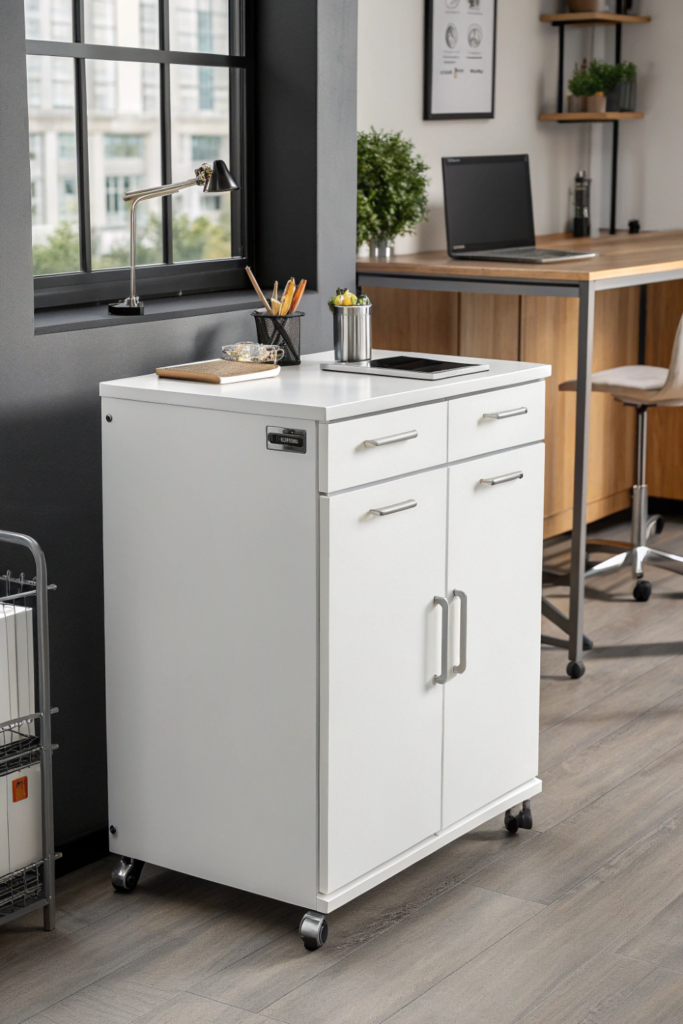
A portable mini kitchen on wheels offers ultimate flexibility for renters and frequent movers. These units feature locking casters that allow you to reposition your cooking space as needed.
Most portable models include essential appliances and can be rolled away when not in use. They’re ideal for basement apartments, home offices, or temporary living situations.
Pro Tip: Look for models with built-in electrical outlets and plumbing connections that simplify setup in any room.
3. Under-Counter Mini Kitchen System
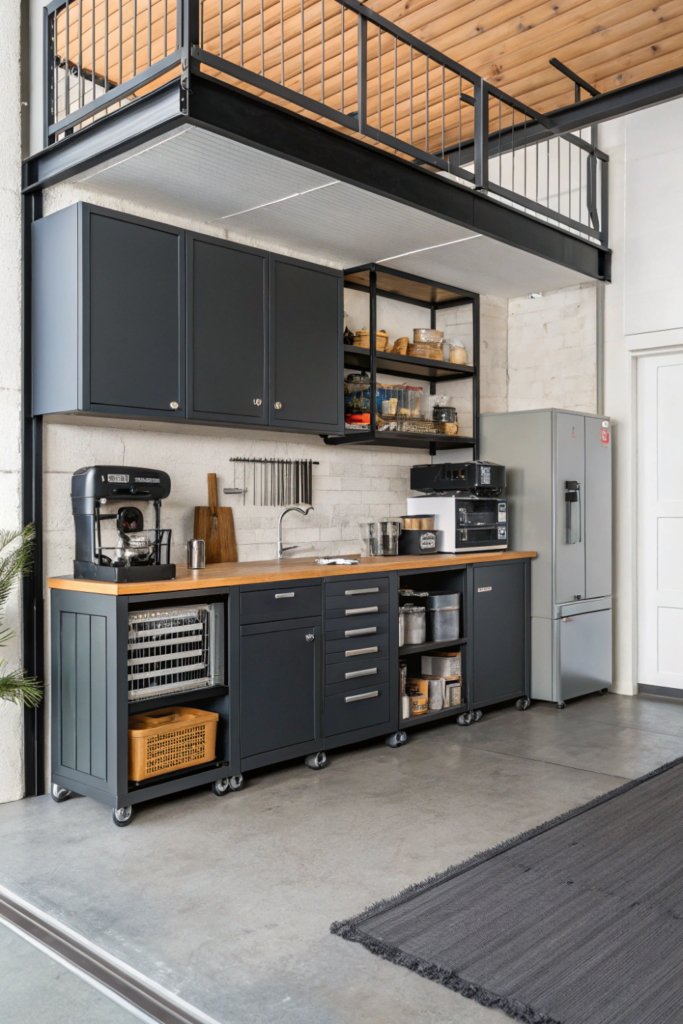
Under-counter systems maximize vertical space by installing beneath existing countertops. This mini kitchen style works brilliantly in basements, garages, or workshop areas where you need occasional cooking capability.
These systems typically feature a mini fridge, microwave drawer, and small sink. Installation is straightforward with standard plumbing and electrical connections.
Pro Tip: Install a pull-out cutting board above the refrigerator to create additional prep space without taking up counter room.
4. Wall-Mounted Fold-Down Mini Kitchen
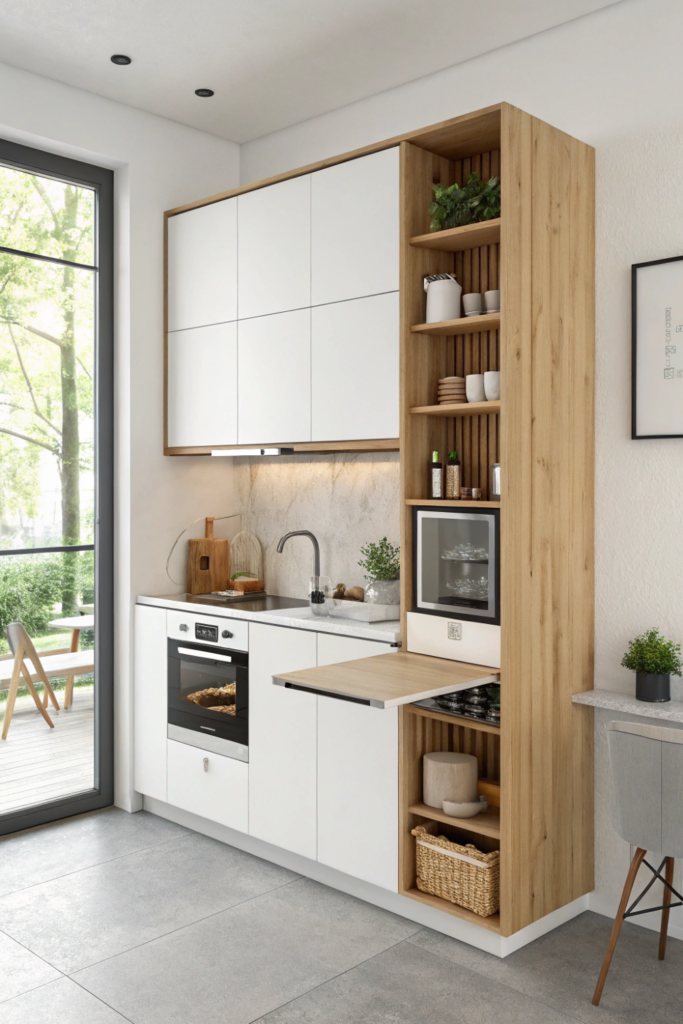
The fold-down mini kitchen is engineering genius for ultra-small spaces. When closed, it looks like a sleek cabinet; when opened, it reveals a complete cooking station with cutting board, burner, and storage.
These European-inspired designs are perfect for micro-apartments and ADUs. Most models include hidden outlets and clever storage for cookware and utensils.
Pro Tip: Install this system at a height that’s comfortable when standing—typically 36 inches from the floor to the cooking surface.
5. Corner Mini Kitchen Configuration
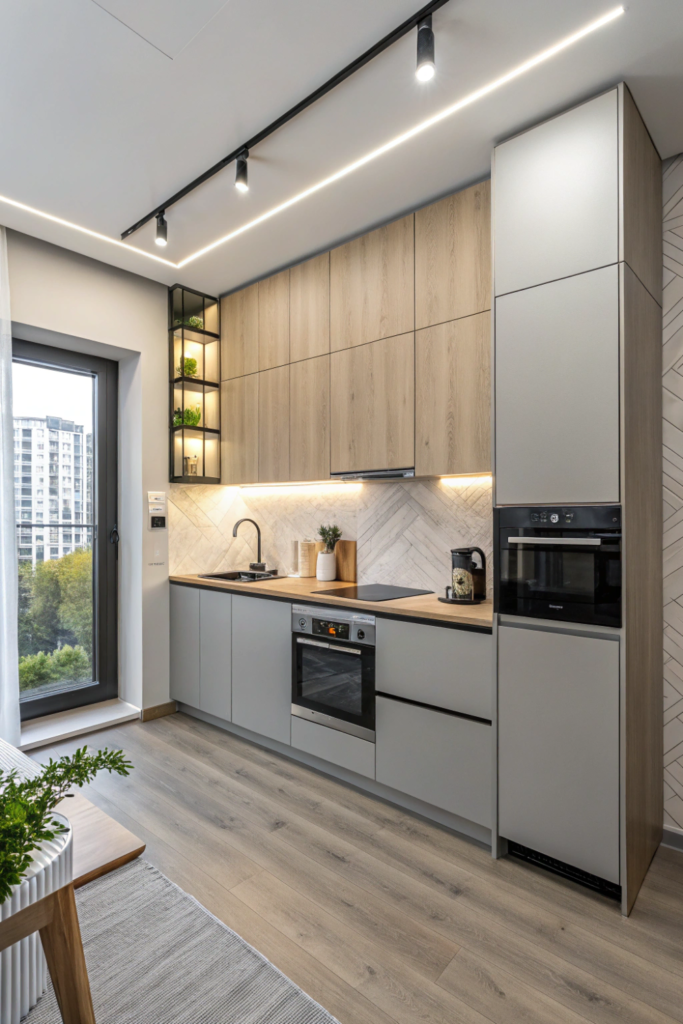
Corner mini kitchens utilize often-wasted space with L-shaped or triangular designs. These units provide more counter space and storage than linear models while maintaining a compact footprint.
The ergonomic layout reduces steps between work zones. Many corner models include rotating corner cabinets that maximize accessibility to stored items.
Pro Tip: Position your sink at the corner junction point to create equal work zones on both sides for efficient meal preparation.
6. Mini Kitchen with Built-In Dishwasher
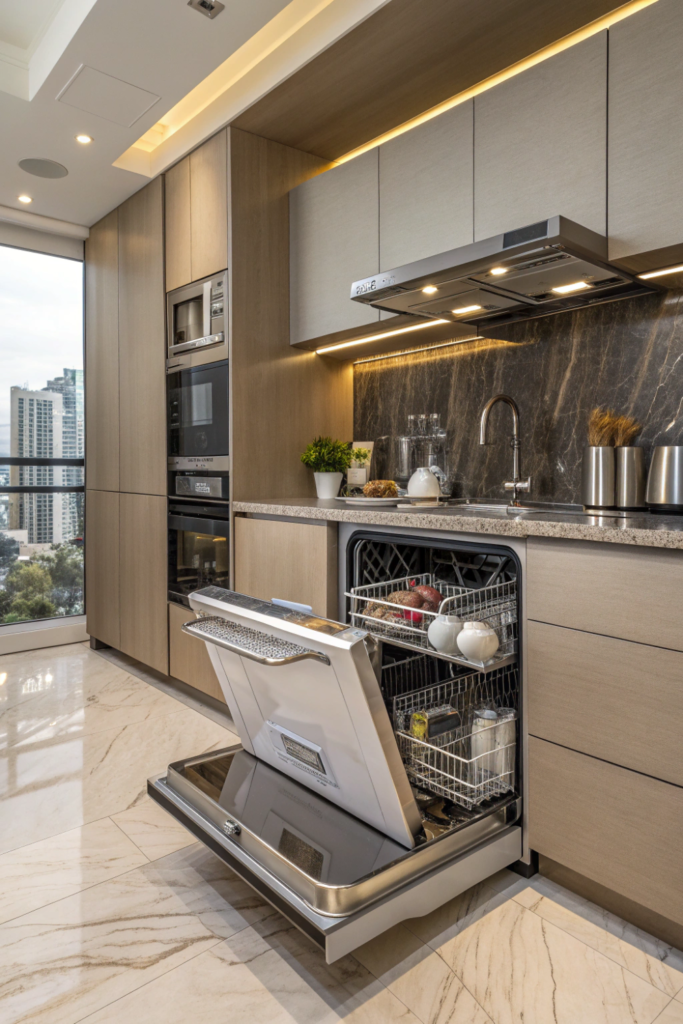
A mini kitchen with an integrated compact dishwasher elevates functionality significantly. These premium units include an 18-inch dishwasher alongside standard mini kitchen appliances.
The dishwasher typically fits beneath the counter next to the sink for optimal plumbing efficiency. This configuration is ideal for in-law suites and executive apartments where convenience matters.
Pro Tip: Choose a dishwasher with a delay-start feature to run it during off-peak electricity hours and reduce utility costs.
7. Outdoor Mini Kitchen Station
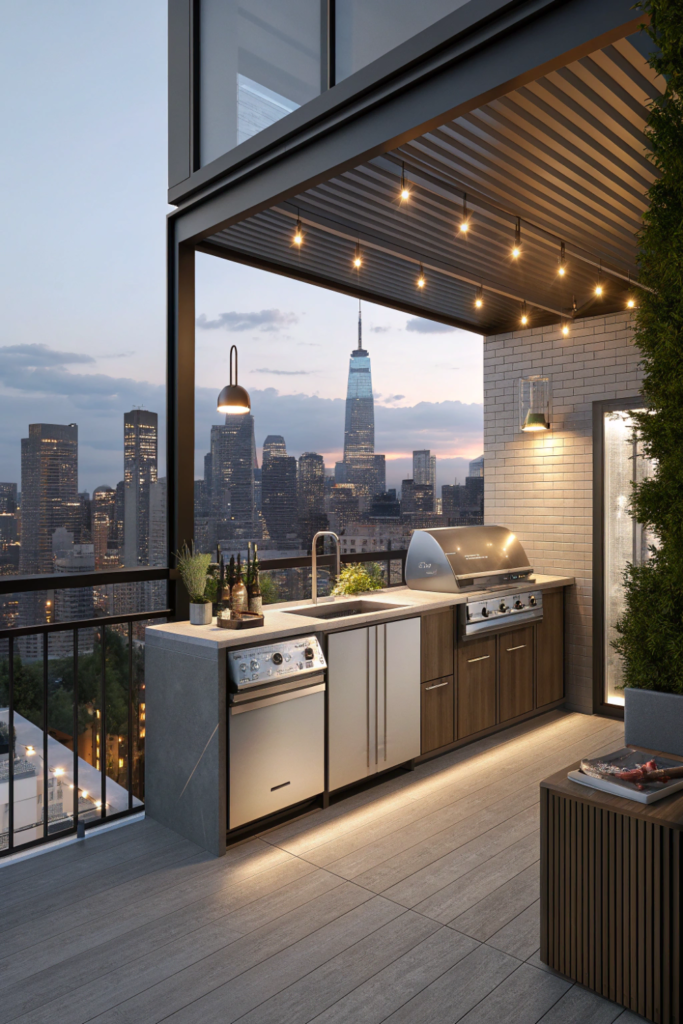
Outdoor mini kitchens transform patios and balconies into entertaining zones. These weather-resistant units typically feature stainless steel construction, propane burners, and weatherproof storage.
Most outdoor models include a small sink with hand pump or hose connection. They’re perfect for balcony barbecues and pool-side cooking without weather limitations.
Pro Tip: Install a retractable awning above your outdoor mini kitchen to protect it from direct sunlight and extend its lifespan.
8. Mini Kitchen with Induction Cooktop
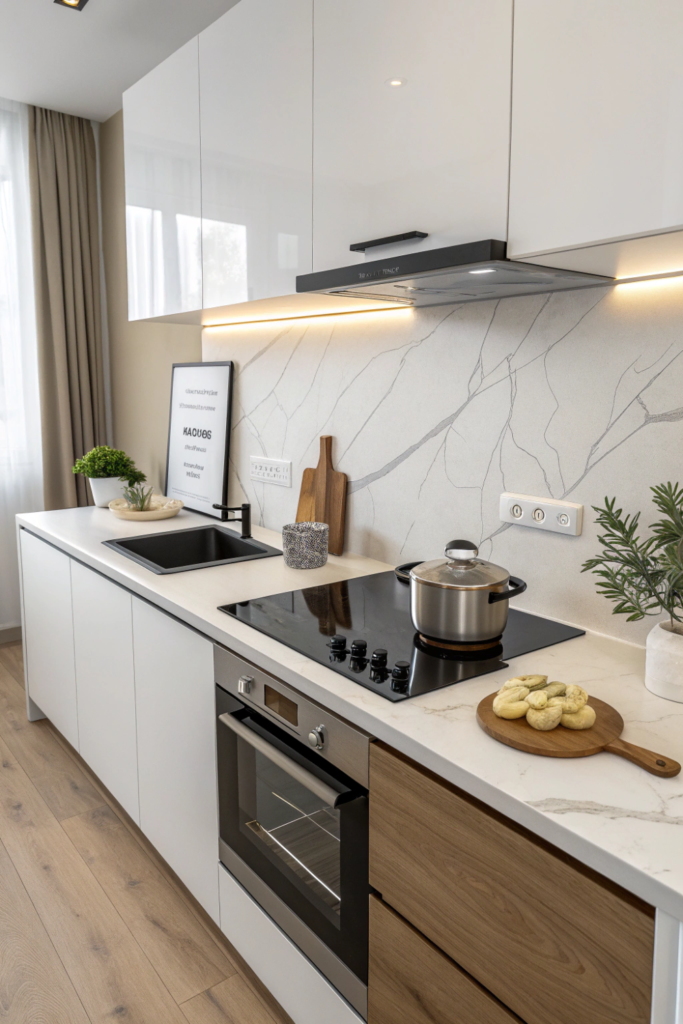
Induction-equipped mini kitchens offer faster, safer cooking with 75% energy efficiency. These units heat cookware directly without warming the surrounding surface.
Induction cooktops are perfect for spaces with ventilation concerns. They produce less ambient heat and clean effortlessly with a simple wipe-down after cooling.
Pro Tip: Invest in induction-compatible cookware (magnetic-bottom pots and pans) to fully utilize your induction cooktop’s capabilities.
9. Modular Mini Kitchen System
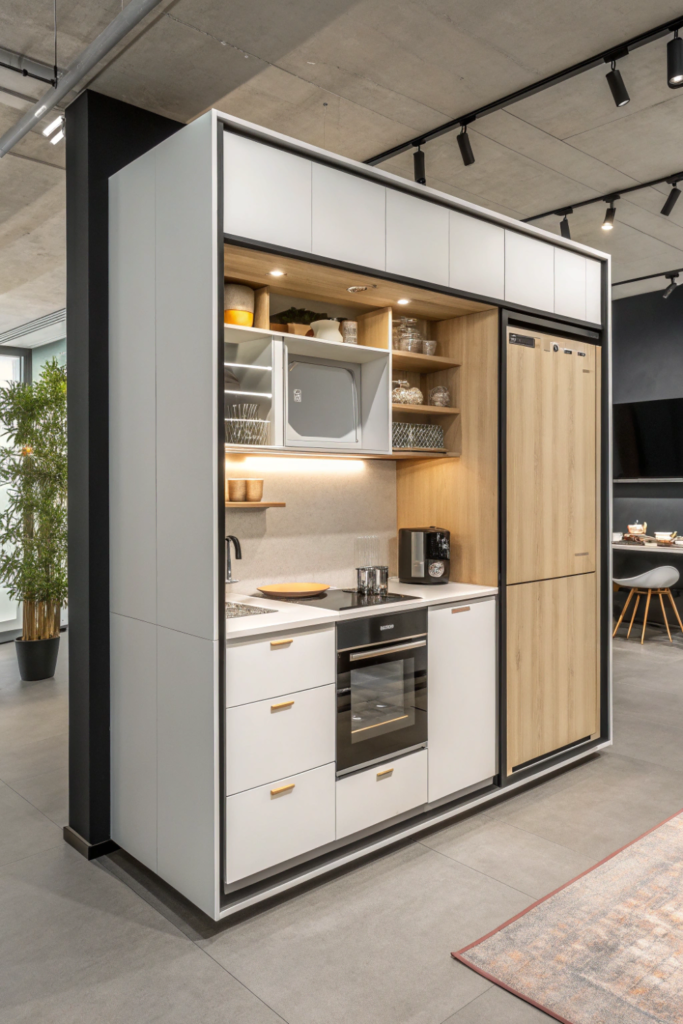
Modular mini kitchens let you customize your configuration with interchangeable components. Start with basic modules and add appliances, storage, or counter space as your needs evolve.
This flexibility makes modular systems ideal for growing families or changing space requirements. Components typically feature universal connections for easy reconfiguration.
Pro Tip: Purchase all modules from the same manufacturer to ensure seamless connections and consistent aesthetic throughout your kitchen.
10. Vintage-Style Mini Kitchen
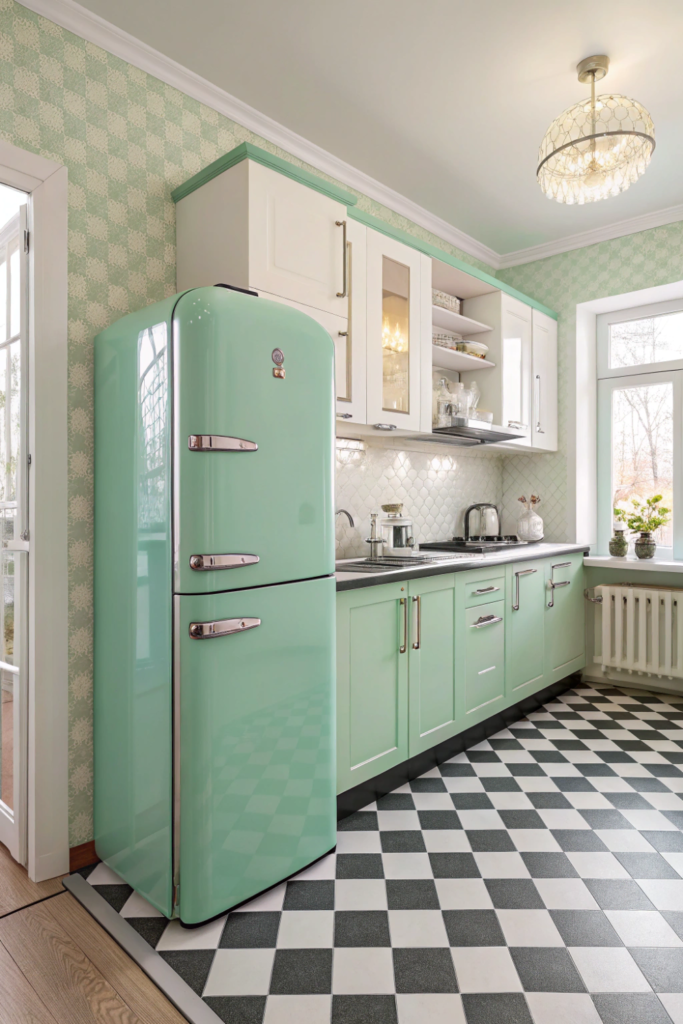
Retro-inspired mini kitchens combine nostalgic aesthetics with modern functionality. These units often feature rounded edges, pastel colors, and chrome accents reminiscent of 1950s design.
Despite their vintage appearance, they include contemporary appliances and energy-efficient components. They’re perfect for themed Airbnb properties and boutique hotel rooms.
Pro Tip: Pair your vintage mini kitchen with period-appropriate accessories like ceramic canisters and enamel cookware to complete the nostalgic look.
11. Smart Mini Kitchen with IoT Integration
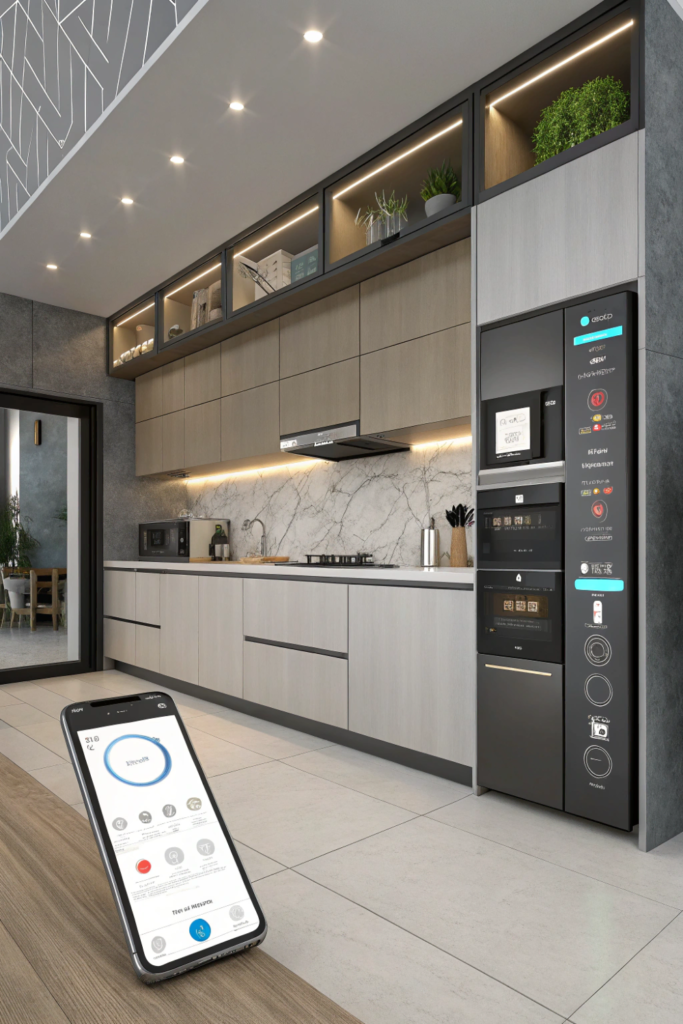
Smart mini kitchens feature app-controlled appliances and voice-activated functions. These high-tech units can be monitored and controlled remotely via smartphone.
Features include programmable cooking schedules, inventory tracking, and energy consumption monitoring. They’re ideal for tech-forward homeowners and modern smart apartments.
Pro Tip: Ensure your Wi-Fi signal reaches your mini kitchen location before investing in smart appliances—use a signal extender if necessary.
Why Mini Kitchens Are Worth the Investment
A mini kitchen installation can significantly increase property value by adding functional living space. Real estate experts estimate that well-designed compact kitchens can boost home value by 5-10% while solving critical space limitations.
These systems deliver cost savings over time through reduced utility bills and efficient appliance operation. Mini kitchen appliances consume 40-60% less energy than full-size models while providing adequate functionality for small households.
The investment in a quality mini kitchen pays dividends in lifestyle improvement and space optimization. You’ll gain cooking independence in spaces previously considered too small for food preparation, from guest rooms to home offices.
Things to Consider Before Choosing Mini Kitchens
Evaluate your actual cooking habits before selecting a mini kitchen configuration. Someone who cooks elaborate meals daily needs different features than occasional microwave users—match appliance capacity to your lifestyle for optimal satisfaction.
Check local building codes and electrical requirements for your mini kitchen installation. Some jurisdictions require professional installation for plumbing and gas connections, while others allow DIY setup with proper permits.
Consider long-term maintenance costs when comparing mini kitchen models. Units with standard-size replacement parts and readily available service will save money and frustration compared to proprietary component systems.
Comparison Table of Mini Kitchens
| Mini Kitchen Type | Price Range | Durability | Maintenance | Best For | Installation Time |
| All-in-One Studio Unit | $1,500-$4,000 | High | Low | Studio apartments, tiny homes | 2-4 hours |
| Portable Kitchenette | $800-$2,500 | Medium | Low | Renters, temporary spaces | 30 minutes |
| Under-Counter System | $1,200-$3,500 | High | Medium | Basements, workshops | 4-6 hours |
| Fold-Down Wall Unit | $2,000-$5,000 | High | Low | Micro-apartments, ADUs | 3-5 hours |
| Corner Configuration | $1,800-$4,500 | High | Low | Studios with corner space | 3-6 hours |
| With Built-In Dishwasher | $3,000-$6,500 | High | Medium | In-law suites, executive units | 5-8 hours |
| Outdoor Station | $1,500-$4,000 | Very High | Medium | Patios, balconies | 2-4 hours |
| Induction Cooktop | $1,800-$4,200 | High | Very Low | Ventilation-limited spaces | 2-4 hours |
| Modular System | $2,500-$7,000 | High | Low | Growing families, flexible needs | 4-8 hours |
| Vintage-Style | $2,200-$5,500 | Medium-High | Low | Themed properties, boutique hotels | 3-5 hours |
| Smart IoT Integration | $3,500-$8,000 | High | Low | Tech-forward homes, modern apartments | 4-6 hours |
Recommended Products for Mini Kitchens
Sunnersta Mini Kitchen from IKEA
This budget-friendly starter mini kitchen includes a sink, shelving, and rail system for just under $200. It’s perfect for temporary setups or college apartments where you need basic functionality without permanent installation. The modular design lets you add components as your needs grow.
Buy from Amazon
COSTWAY Compact Kitchen Unit
This complete mini kitchen features a two-burner cooktop, mini fridge, microwave, and sink in a 48-inch unit. The stainless steel construction ensures durability while the simple installation process makes it ideal for DIY enthusiasts. It’s particularly well-suited for basement apartments and guest suites.
Buy from Amazon
Kenmore Compact Refrigerator for Mini Kitchens
This 4.5 cubic foot Energy Star rated refrigerator fits perfectly in any mini kitchen setup. The reversible door and adjustable shelving provide flexibility while consuming minimal electricity. It’s an excellent standalone addition if you’re building a custom mini kitchen configuration.
Buy from Amazon
Frequently Asked Questions About Mini Kitchens
What is the average cost of a mini kitchen installation?
A complete mini kitchen installation typically costs between $1,500 and $6,000 depending on the configuration and included appliances. Basic portable units start around $800, while fully-equipped systems with premium appliances can reach $8,000.
Professional installation adds $500-$2,000 to the total cost. Mini kitchen units with standard connections can often be installed DIY, saving significant labor expenses for handy homeowners.
Budget an additional 10-15% for unexpected expenses like electrical upgrades or plumbing modifications. Most homeowners find the investment worthwhile for the functionality gained in previously unused space.
How much space do you need for a mini kitchen?
A functional mini kitchen requires a minimum of 4-5 linear feet of wall space, though 6-8 feet is ideal. Height requirements are typically 7-8 feet to accommodate upper cabinets and proper ventilation.
You’ll need at least 3 feet of clearance in front of your mini kitchen for comfortable movement and appliance door operation. Corner configurations can work in spaces as small as 5×5 feet while providing adequate functionality.
Consider adding 12-18 inches on each side for electrical outlets and plumbing access. Proper planning ensures your mini kitchen operates efficiently without feeling cramped or creating safety hazards.
Are mini kitchens legal in all areas?
Mini kitchen legality varies by local building codes and zoning regulations. Most jurisdictions allow them in single-family homes without special permits, but multi-unit dwellings may require inspections.
Check with your local building department before installation, especially regarding electrical and plumbing requirements. Some areas restrict mini kitchens in bedrooms due to fire codes, while others require specific ventilation systems.
Rental properties often need landlord approval before installing a mini kitchen. Professional installation typically ensures code compliance, though it increases overall project costs by 30-50%.
How do you maintain a mini kitchen properly?
Mini kitchen maintenance starts with daily cleaning of surfaces and appliances after each use. Wipe down countertops, cooktops, and sinks with appropriate cleaners to prevent buildup and staining.
Deep clean your mini kitchen monthly by descaling the sink, defrosting the mini fridge, and cleaning behind appliances. Check and replace water filters if your unit includes filtration systems, typically every 3-6 months.
Schedule annual professional maintenance for gas connections and electrical systems. Proper care extends your mini kitchen lifespan to 10-15 years while maintaining optimal performance and safety standards.